

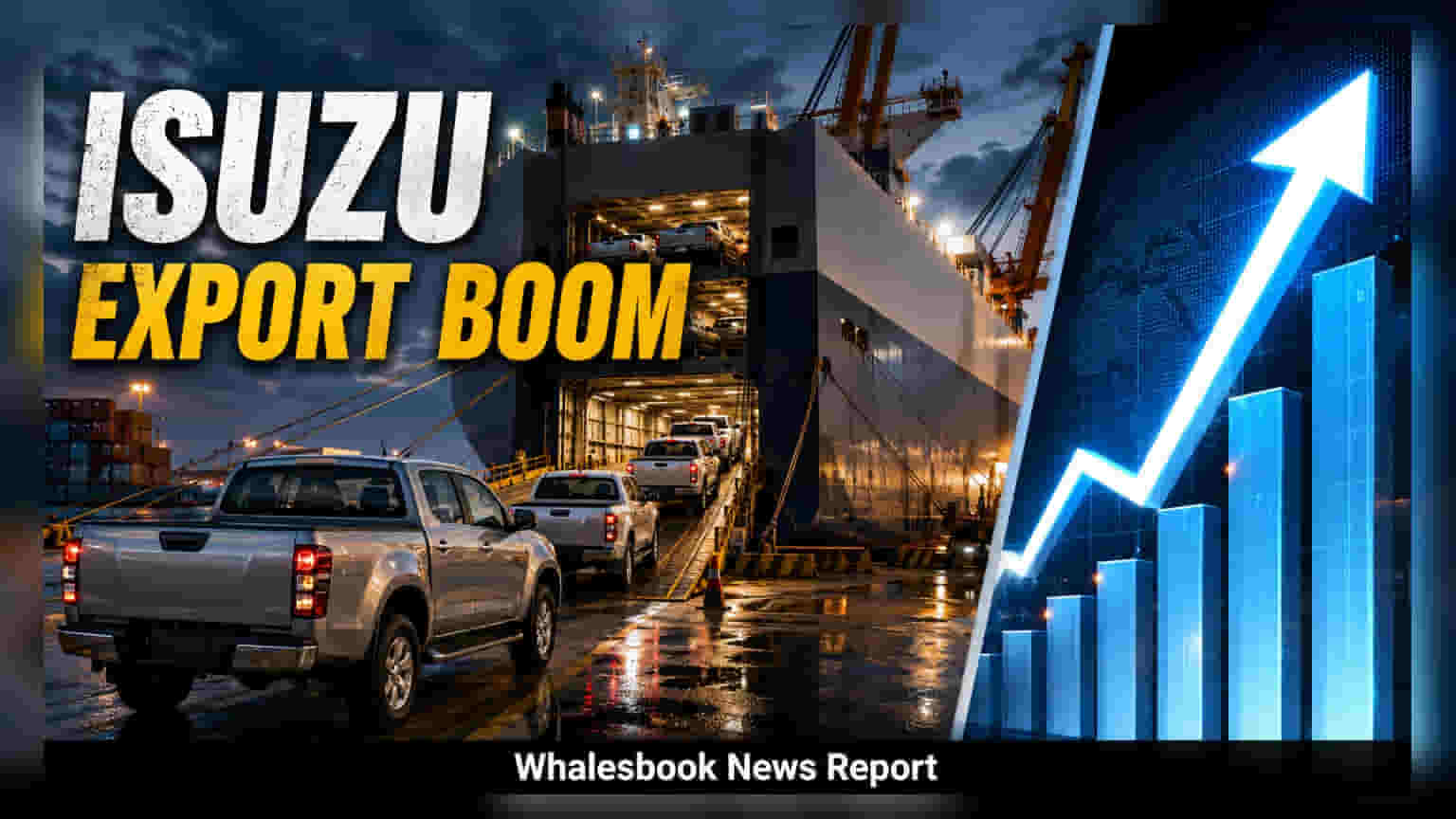
Isuzu Motors India has signed a five-year agreement with Kamarajar Port to secure lower wharfage rates for commercial vehicle exports. This partnership, which began in 2019, aims to strengthen the company’s cost-competitiveness in West Asian markets like Saudi Arabia and Oman. The deal reflects Isuzu's ongoing strategy to use its Indian manufacturing base as a central hub for global shipments.
Detailed Coverage
Isuzu Motors India, the local unit of the Japanese automaker, has extended its collaboration with Kamarajar Port Ltd by signing a five-year agreement to support its international trade operations. The pact provides the company with concessional wharfage rates—the fees charged by a port for handling cargo—specifically tied to its export volumes. By lowering these logistics costs, the company aims to improve the price competitiveness of its commercial vehicles, such as the D-Max and S-Cab models, in international markets.
Expanding Exports from India
Since initiating this partnership in 2019, the company has utilized the facility to reach customers across West Asia, including major markets such as Saudi Arabia, Qatar, Kuwait, Oman, and Jordan. According to official company statements, this long-term arrangement is a key component of its supply chain strategy. Isuzu India reported exporting approximately 14,000 vehicles in the previous fiscal year, positioning itself as a significant player in the country’s commercial vehicle export segment. This move aligns with the broader industry trend where manufacturers are leveraging India’s maritime infrastructure to optimize logistics for the 'Make in India' initiative.
Strategic Importance and Industry Context
For investors, this agreement provides visibility into the company’s commitment to its Indian operations. The automotive export sector in India has been increasingly focused on tapping into emerging markets in West Asia and Africa to diversify revenue streams. While Isuzu Motors India is a private limited company and does not have publicly traded shares on Indian stock exchanges, its export performance serves as a barometer for the broader commercial vehicle manufacturing sector.
Logistics and port-related costs are critical factors for exporters operating with thin profit margins in competitive international markets. By securing fixed concessional rates for the next five years, the company gains better control over its long-term export costs, which could protect its margins against potential increases in port tariffs. However, the ultimate benefit of this agreement will depend on sustained demand for commercial vehicles in the target West Asian regions, as well as the company's ability to maintain production efficiency at its manufacturing facility. The next important update for industry observers will be the trend in export volumes and whether the company can further penetrate new international territories using this established logistics corridor.