 Whalesbook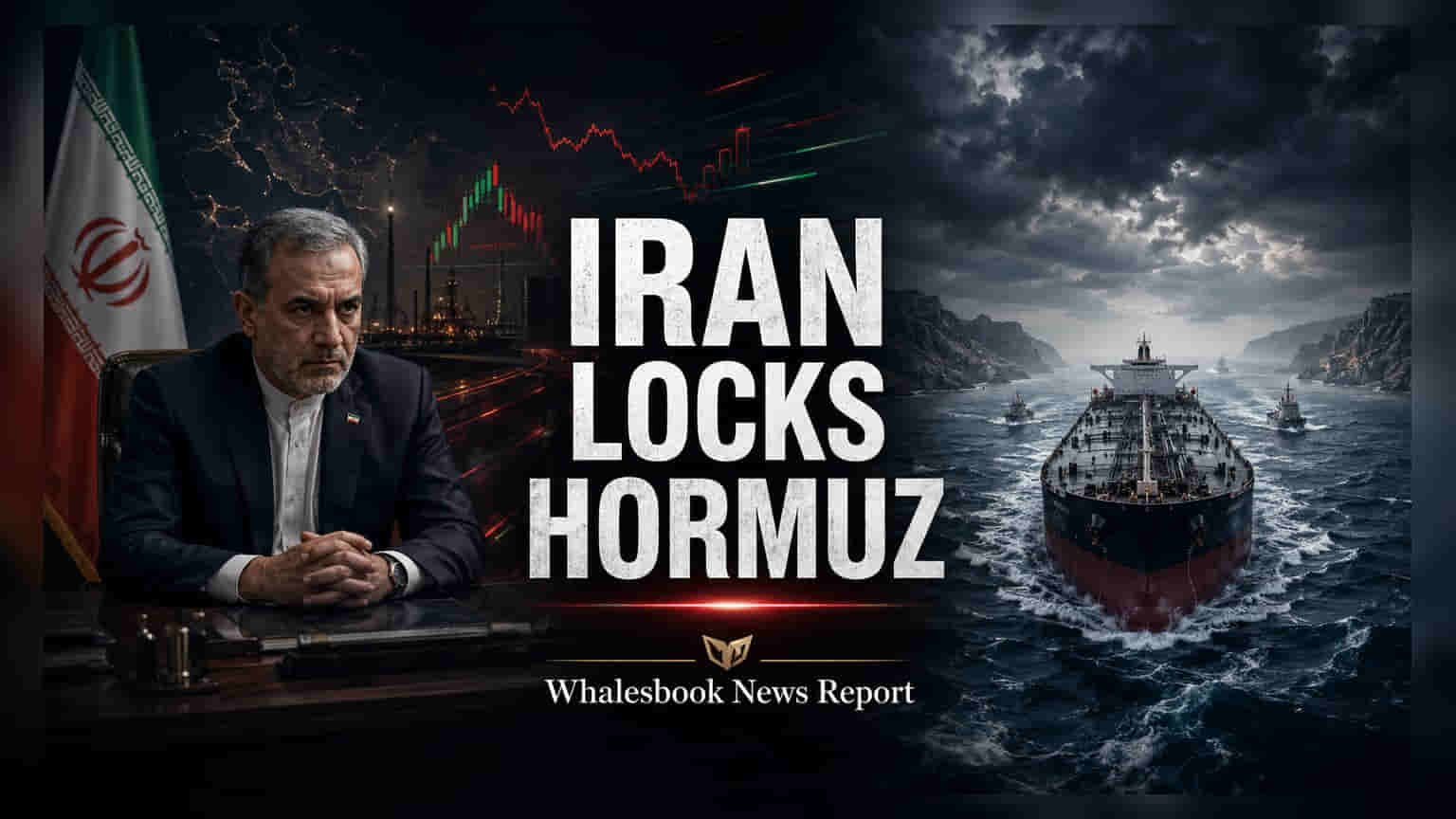


Iran has significantly expanded its maritime oversight by declaring a "controlled maritime zone" in the Strait of Hormuz. This new directive, issued by the Persian Gulf Strait Authority, mandates that all vessels must obtain explicit authorization before transiting the critical passage.
Navigational Authority Asserted
The controlled zone stretches from Kuh-e Mobarak to southern Fujairah and from Qeshm Island to Umm Al Quwain. This move places a vital global chokepoint, through which an estimated 20% of global oil consumption passes daily, under tighter Iranian control. The implications for global energy markets are considerable, with potential for price volatility and rerouting challenges for numerous oil tankers and commercial vessels.
Geopolitical and Economic Ramifications
This heightened control occurs amid elevated regional geopolitical tensions. The U.S. Energy Information Administration highlights the Strait's critical role, noting that disruptions could lead to substantial oil price increases and necessitate longer, more expensive shipping routes. Major crude oil benchmarks like Brent and WTI are sensitive to Middle Eastern supply concerns. While no immediate price surge has occurred, the strategic importance of the waterway means future volatility is possible. Global energy market competitors are closely watching the enforcement of these new transit rules. Past incidents in the Strait have previously caused temporary spikes in oil prices and shipping insurance costs.
Risk Management View
For entities involved in maritime energy transport, this declaration introduces new operational and geopolitical uncertainty. The authorization requirement presents a potential bottleneck and increases the risk of shipment delays or higher insurance costs. While Iran asserts sovereign rights, major oil-consuming nations may view this as a challenge to freedom of navigation. The potential for miscalculation or escalation in this sensitive region is a primary concern for hedge funds tracking commodity and geopolitical risks. This action could accelerate efforts by nations to diversify energy sources and supply routes.