 Whalesbook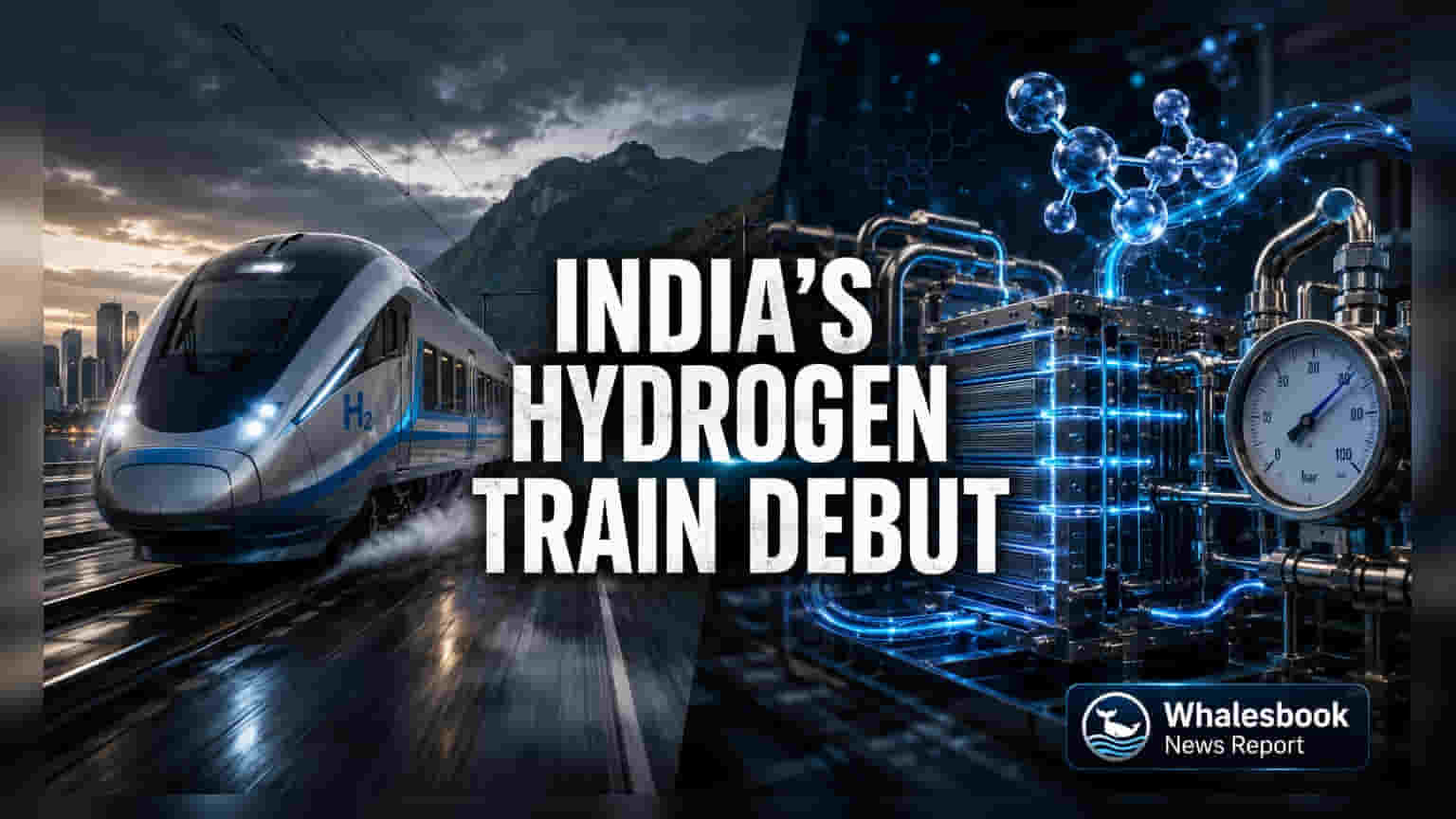


Hydrogen Train Pilot Launched
The green light for the Jind-Sonipat hydrogen train pilot shows Indian Railways is exploring alternative fuels beyond full electrification. This 10-coach train, a modified Diesel Electric Multiple Unit (DEMU), uses a 1,200 kW fuel cell system. The technology distributes power equipment across coaches, aiming to test hydrogen traction in a real-world setting.
Innovation vs. Cost
Despite being a technical achievement, the project's financial viability is under scrutiny. Each hydrogen trainset is estimated to cost around ₹80 crore, with an additional ₹70 crore needed per route for ground infrastructure like refueling stations. With India's broad-gauge network already 93% electrified, the real benefit of hydrogen trains is debated. Experts suggest hydrogen may suit non-electrified heritage or mountain routes, but the current cost of green hydrogen (₹300-₹400 per kg) is much higher than diesel or electricity. Costs need to drop significantly, and the National Green Hydrogen Mission must scale up by 2030 for hydrogen to compete.
Systemic Risks and Financial Concerns
The pilot faces major hurdles. Infrastructure is a key bottleneck, as refueling stations are limited to Jind, preventing wider use. The use of high-pressure cryogenic storage also adds weight and could affect passenger capacity and maintenance. Bharat Heavy Electricals Limited (BHEL) is investing in this area through a partnership with Horizon Fuel Cell Technologies. However, BHEL's recent losses raise questions about its ability to fund long-term research into costly, unproven rail technology. Critics also note that until safety and maintenance are proven, these trains may require backup diesel locomotives for transfers, adding operational complexity.
Path to Net-Zero
The Jind-Sonipat pilot is a crucial test for India's 2030 net-zero targets. For the "Hydrogen for Heritage" initiative to succeed, public-private partnerships will be vital to build refueling networks, and green hydrogen production costs must decrease substantially. While the technology is ready for testing, making it a practical and affordable transport solution will require overcoming significant economic challenges that currently favor continued railway electrification.