

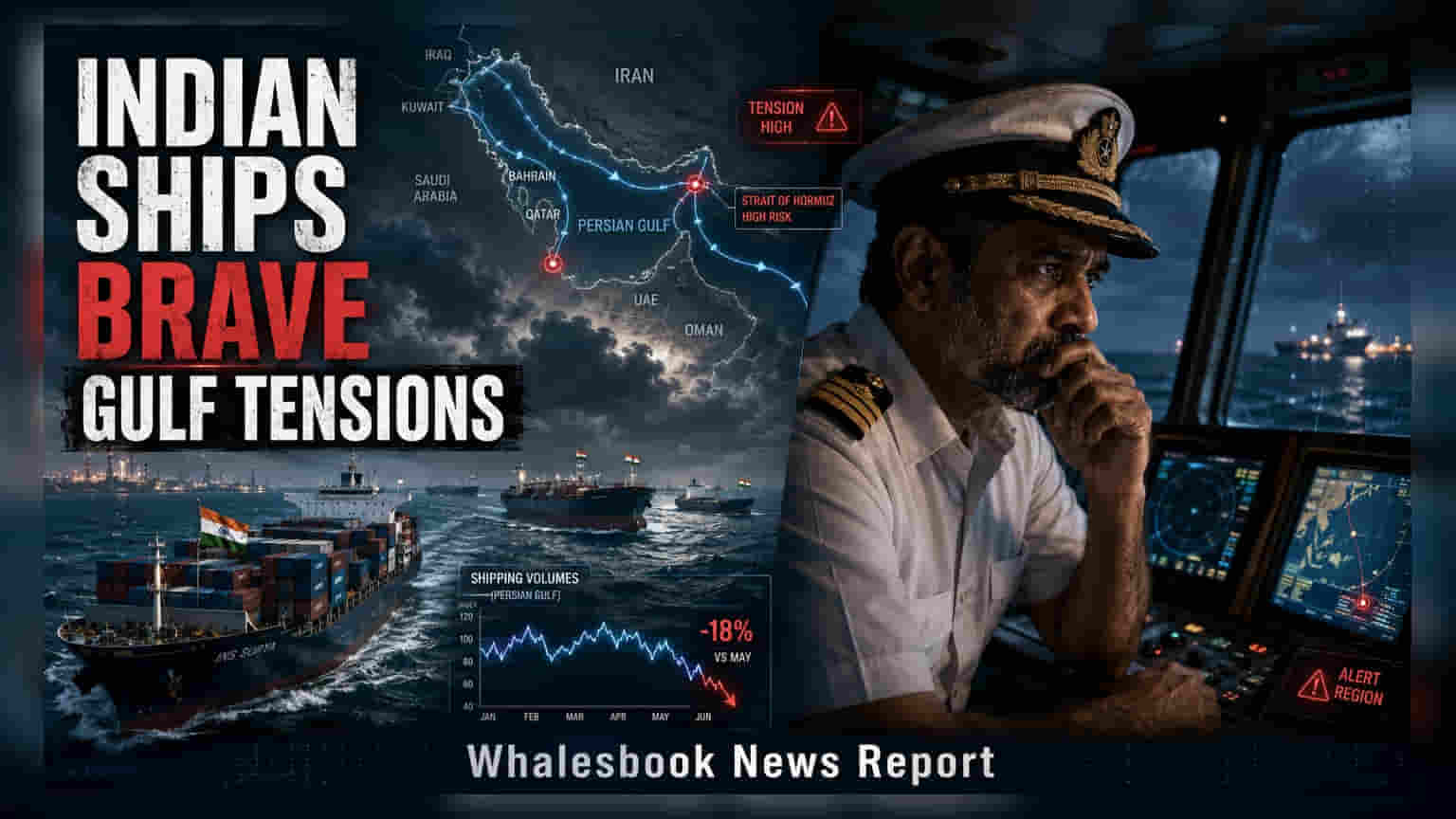
Seven Indian-flagged ships continue operations in the Persian Gulf amid regional security concerns. Approximately 148 Indian seafarers remain safe while following updated safety directives. The situation has forced many vessels to adopt alternative routes, impacting standard trade logistics in the region.
Seven Indian-flagged vessels are currently operating in the Persian Gulf, with officials confirming that all 148 Indian seafarers onboard remain safe. These ships, consisting of five commercial vessels and two container ships, are not carrying cargo intended for India, such as oil, gas, or fertilizers. Management has reported that regular supply chains for essential onboard items remain intact, and personnel rotations are continuing as planned.
Impact of Regional Security on Shipping
The ongoing geopolitical instability in the Persian Gulf has forced shipping companies to adopt heightened caution. Following recent attacks in the area, vessels have increasingly moved toward using alternative navigation routes to avoid direct transit through high-risk zones. This shift in maritime logistics is becoming a standard practice for many commercial operators to ensure both crew safety and the protection of cargo assets.
Recent Maritime Incidents
Security concerns were heightened following an attack on the Cyprus-flagged container ship GFS Galaxy off the coast of Oman. The vessel, which had 11 Indian nationals among its crew, sustained damage during the incident. The Ministry of External Affairs confirmed that 10 of these Indian seafarers were successfully rescued. Reports from the United States Central Command have linked recent regional strikes to the Islamic Revolutionary Guard Corps of Iran, contributing to a volatile environment for merchant shipping.
For investors monitoring the shipping and logistics sector, the primary concern is the potential for increased operating costs. The use of longer, alternative shipping routes typically leads to higher fuel consumption, increased insurance premiums, and longer delivery timelines. While these seven specific Indian-flagged vessels are currently stable, the broader maritime trade sector faces continued pressure until regional stability improves. Stakeholders may track updates on insurance rates, fuel surcharges, and any further directives from the Directorate General of Shipping regarding regional vessel movement.