 Whalesbook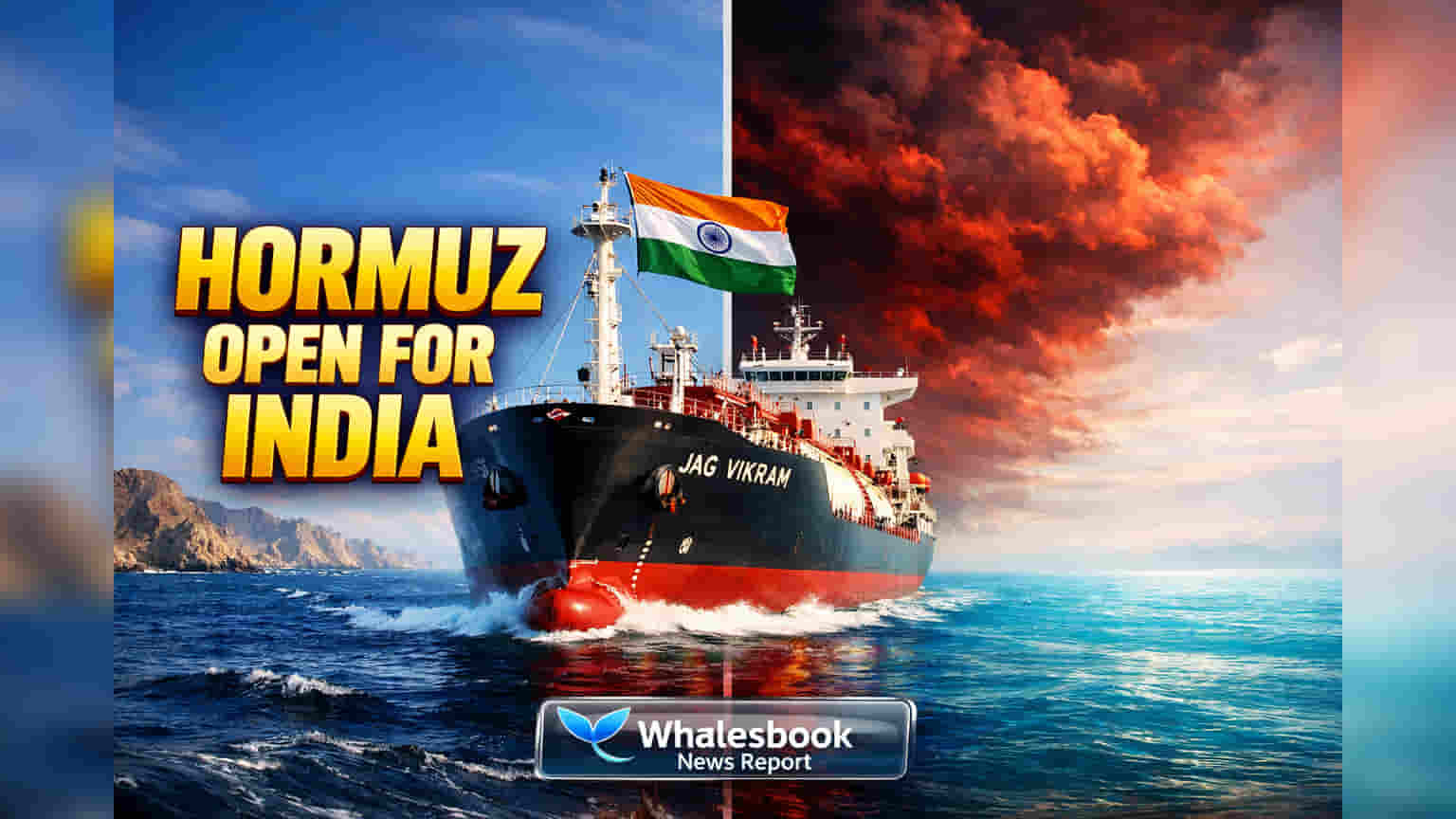


An Important Transit, Not a Full Return to Normalcy
The Jag Vikram's successful journey marks an important step, easing a bottleneck for Indian vessels after a period of severe disruption. However, this single transit does not mean normal operations have resumed. Attention remains focused on the wider political risks that continue to control passage and influence transit costs through this critical waterway.
Controlled Passage, Not Free Navigation
The Jag Vikram, carrying approximately 20,400 tonnes of LPG, successfully crossed the Strait of Hormuz on April 11, 2026. This is the first Indian-flagged vessel to transit the strait since the temporary US-Iran ceasefire was announced. However, Iran continues to assert control over this vital route. Reports indicate that Iran maintains real authority, requiring ships to coordinate with its armed forces and follow specific, restricted paths. This controlled passage means that genuine freedom of navigation has not been restored, with traffic volumes far below normal—only a few vessels passing daily compared to over 100 before.
Ongoing Risks and Economic Impact
Maritime security experts note that little has changed for the wider shipping community despite the ceasefire. Iran's ability to control passage, the ongoing threat of tolls, and past geopolitical disruptions in the Strait of Hormuz leave Indian shipping and energy security vulnerable. The Strait handles about 20-25% of global oil and LNG trade, meaning any disruption poses a major economic risk for India, which relies heavily on these imports. Past conflicts in the region have caused sharp rises in oil prices and shipping costs, affecting India's balance of payments and inflation. Companies like Great Eastern Shipping Company, the owner of the Jag Vikram, and Shipping Corporation of India are directly affected by these risks, which have previously caused significant market swings. Recent jumps in LNG shipping rates (up to 600%) and crude tanker rates (tripling) show the immediate cost impacts.
A Temporary Respite, Not a Resolution
The current situation is far from normal. The US-Iran ceasefire is fragile, with ongoing diplomatic efforts offering little guarantee of a lasting solution. Iran appears set to continue using its geographic advantage, potentially demanding payment or strict adherence to its terms for passage. The fact that 15 Indian-flagged vessels remain stranded in the Persian Gulf awaiting safer transit conditions shows the ongoing paralysis. Shipowners remain highly cautious due to the lack of clear passage terms and the history of attacks and mine-laying, unwilling to risk loss of life, cargo, or vessels. While the Jag Vikram passed, the wider flow of trade remains under Iran's influence and subject to the unstable political standoff.
India Pursues Energy Diversification
To address these ongoing vulnerabilities, India is actively seeking to diversify its energy sources. States like Andhra Pradesh are increasing efforts to promote Piped Natural Gas (PNG) over LPG, offering subsidies to encourage this shift. This strategy shows a long-term recognition of the risks tied to relying on imported fuels that must travel through unstable shipping routes, aiming to build greater energy security.