

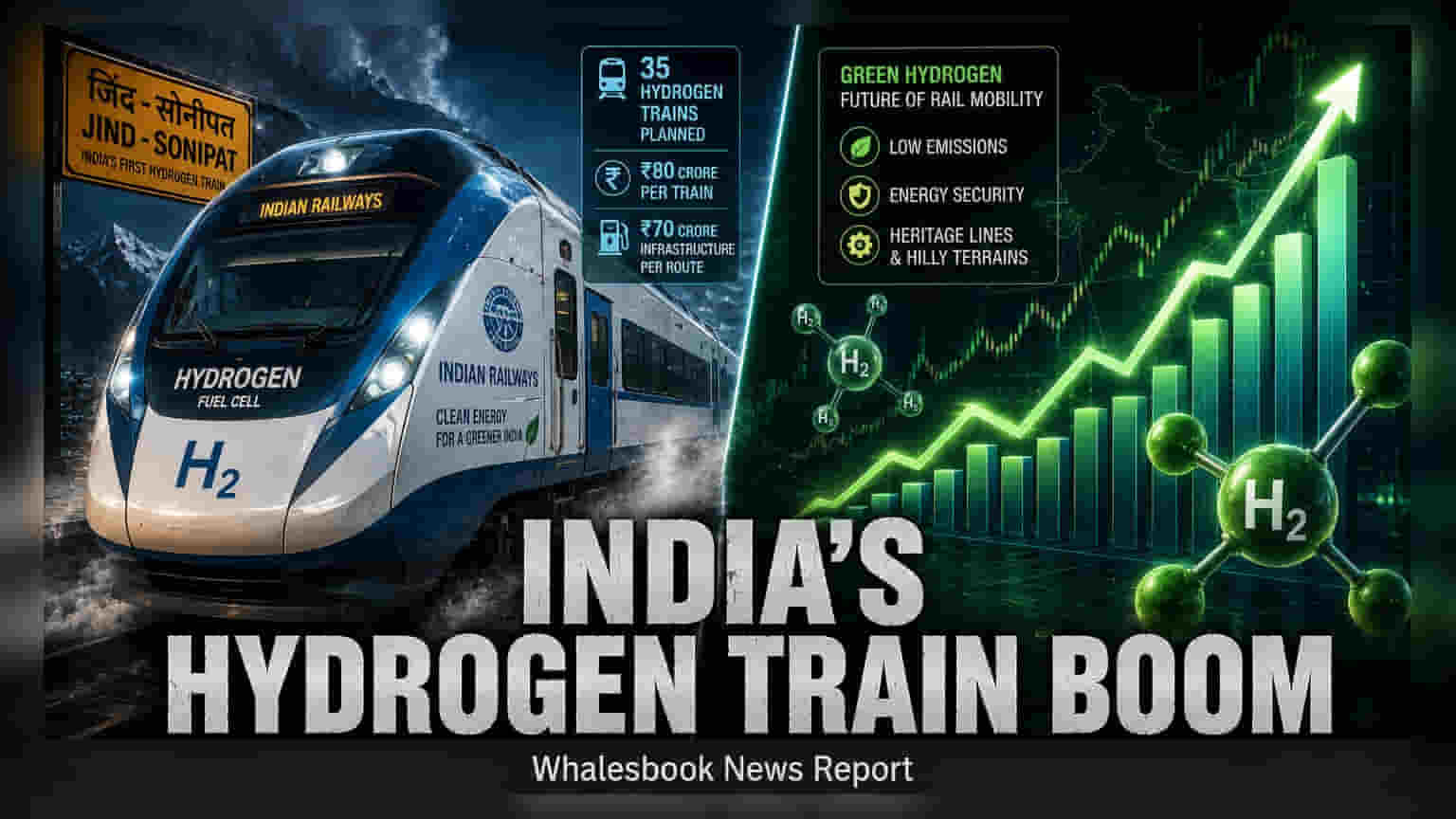
Indian Railways is planning to introduce 35 hydrogen-powered trains following the successful launch of its pilot project in July 2026. While the initiative aims to clean up emissions on heritage and hilly routes, the primary challenge for the national transporter is managing high infrastructure costs and securing affordable green hydrogen fuel supplies.
Indian Railways is moving forward with its ambitious 'Hydrogen for Heritage' initiative, aiming to roll out 35 hydrogen-powered trains. This plan comes after the successful launch of India's first hydrogen-powered train in July 2026 on the Jind-Sonipat route. The project is designed specifically for heritage lines and difficult hilly terrains where installing overhead electric wires is technically challenging or environmentally sensitive.
The Cost and Infrastructure Challenge
While the technology has been proven through initial trials, the financial reality remains complex. Each hydrogen-powered train requires a significant investment, with costs estimated at approximately Rs 80 crore per unit. Additionally, building the necessary ground infrastructure, such as dedicated refueling stations, adds another Rs 70 crore per route. These high upfront expenses mean that the long-term feasibility of the project depends on keeping operational costs, particularly fuel prices, under control.
To make this viable, the national transporter is actively looking for ways to reduce the procurement price of green hydrogen. The government is supporting these efforts through the National Green Hydrogen Mission, which provides incentives to boost domestic production. A key strategy being considered is providing 'offtake assurances' to manufacturers, which essentially means giving them a guaranteed buyer. This move is intended to create a competitive market for hydrogen suppliers and drive down costs, which have recently been discovered at around Rs 279 per kg in government tenders.
Why Hydrogen is Not a Network-Wide Solution
For investors and market observers, it is important to understand that this technology is not currently intended to replace the entire national rail network. Electric traction remains the standard for the vast majority of Indian Railways' operations due to its lower cost and efficiency. Hydrogen is viewed as a specialized solution for niche routes where electrification is not practical.
There are also operational risks to consider. Scaling hydrogen usage involves significant challenges, including the specialized training needed for handling hydrogen fuel, complex maintenance of the fuel-cell propulsion systems, and potential supply competition. Currently, green hydrogen is in high demand from other industries like fertilizer production and refineries, which could limit supply availability or keep prices volatile for the railway sector.
Moving forward, the primary items to track are the outcomes of future tenders for green hydrogen supply, the actual execution timelines for these 35 trains, and any updates on the operating costs of the existing pilot train. Investors monitoring the broader railway ecosystem and green energy sector will likely watch how these costs evolve as the technology moves from a pilot phase to a larger commercial deployment.