

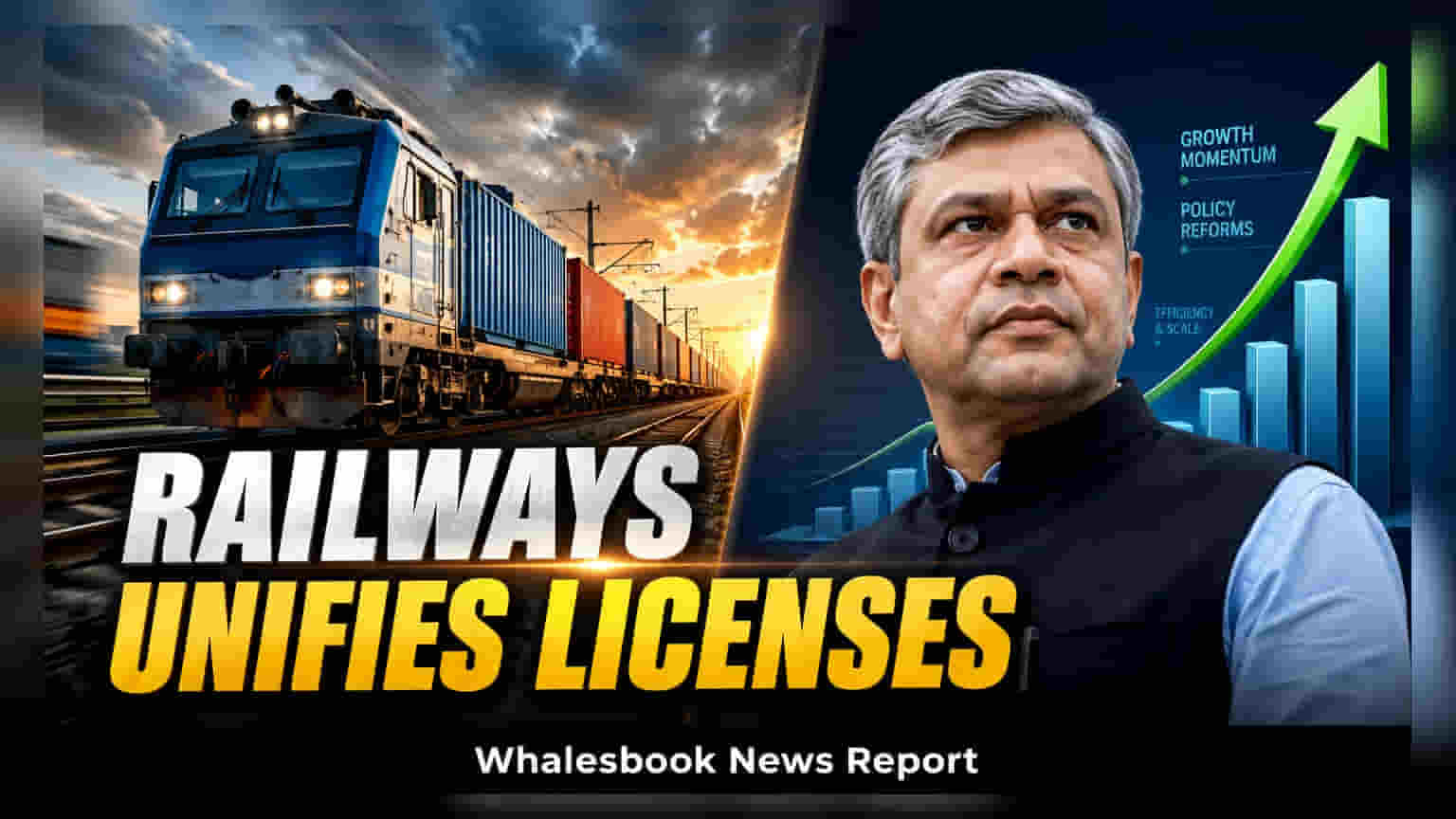
Indian Railways has replaced its complex licensing system with a single unified license for container trains, allowing access to all national routes. This move aims to simplify logistics for private operators and increase containerized cargo volume. Additionally, the railway has rationalized fertilizer freight tariffs and allowed more flexible storage options at rake points to improve operational efficiency.
Indian Railways has launched a major reform to its logistics policy by moving to a unified licensing system for container train operators. Under the previous framework, operators often faced route-specific limitations that added complexity to nationwide logistics. The new, single license allows private container train operators to run services on any route across the Indian railway network, removing historical barriers that previously required multiple approvals.
This policy change is designed to make it easier for private logistics companies to integrate their operations with the national rail network. By streamlining these approvals, the railways aim to increase the share of containerized freight, which is generally more efficient and secure than traditional wagon-based cargo movement. For investors, this shift indicates a potential for higher volume growth in the private rail logistics sector, as operators can now better optimize their train paths and scheduling without complex regulatory hurdles.
Rationalization of Fertilizer Freight
Alongside the licensing reforms, Indian Railways has overhauled its tariff structure for fertilizer transportation. The ministry has replaced the legacy 50-slab tariff system with a more transparent model based on a per-ton, per-kilometer rate. This new structure starts with a flat rate, moves to a tapering rate based on distance, and settles into a final flat rate. This change is intended to reduce logistical costs and improve pricing predictability for distributors and manufacturers.
Furthermore, the ministry has introduced new flexibility for fertilizer handling at rake points. Previously, the entire rake had to be emptied at once, which often created storage bottlenecks and increased detention charges. Under the new rules, individual containers can be stored at the rake point, allowing distributors to pick up supplies as needed. This flexibility helps in reducing the turnaround time for rakes and lowers the overhead costs associated with managing inventory at rail terminals.
Impact on Construction Contracts
In a move toward tighter fiscal discipline, the railways have also introduced more rigorous contract terms for construction projects. These revised tender conditions are meant to ensure project execution timelines are met more effectively, potentially reducing cost overruns that have historically affected large-scale infrastructure projects.
While these reforms are expected to improve the operational efficiency of the rail network, the actual impact on the balance sheets of private logistics players will depend on their ability to capture increased market share and manage the transition to the new tariff regime. Investors should monitor the quarterly volume data for containerized rail traffic and the commentary from logistics and fertilizer companies regarding their cost savings. The long-term success of these measures will depend on how quickly these operational changes lead to higher utilization of rail infrastructure and smoother cargo movement across the country.