 Whalesbook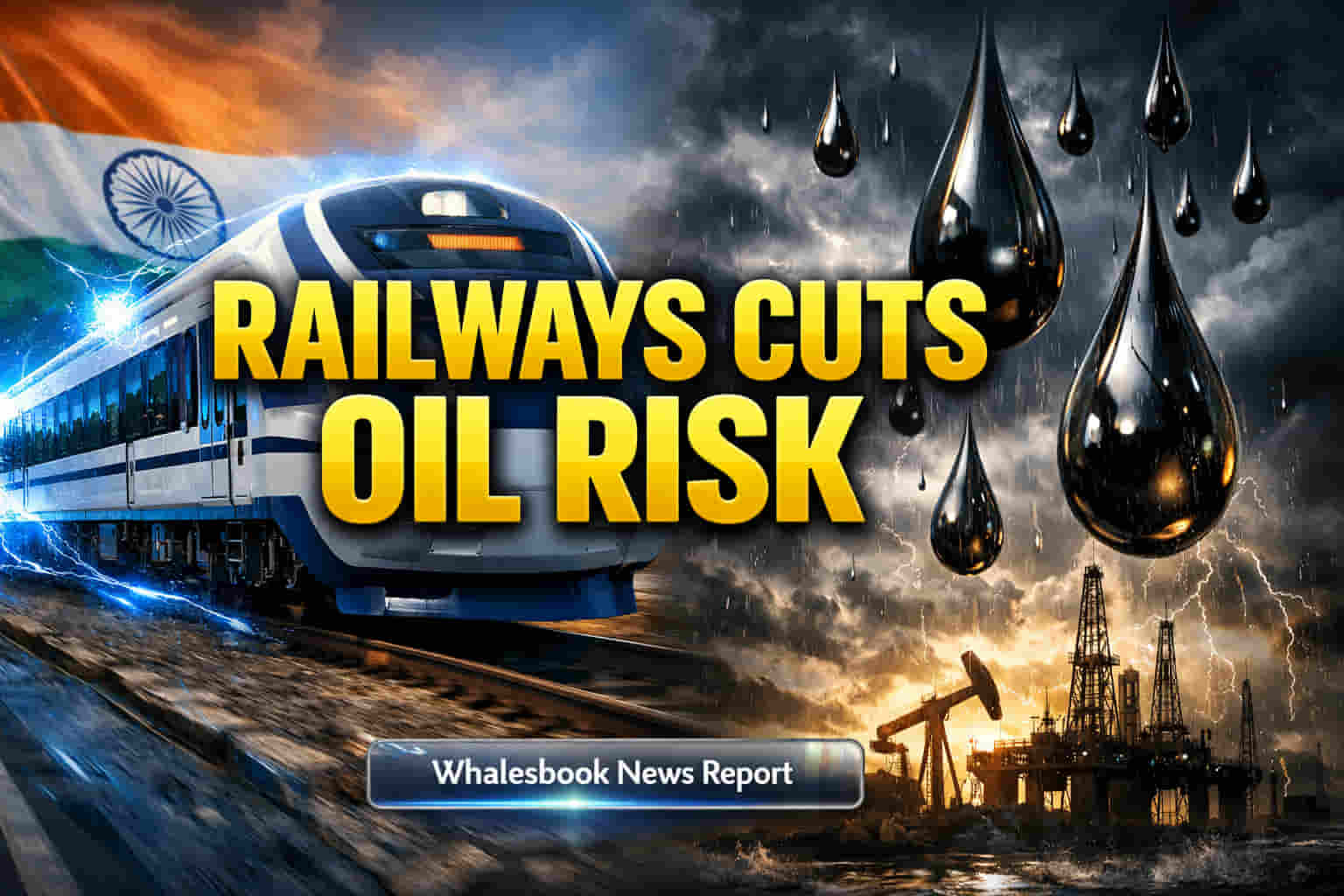


**### The Geopolitical Imperative
The near-complete electrification of Indian Railways' Broad Gauge network, reaching 99.4% completion, represents a profound strategic shift. This massive infrastructure undertaking has not only revolutionized operational efficiency but has also positioned the nation as a bulwark against the escalating volatility in global oil markets. As geopolitical tensions in West Asia continue to threaten crude oil supply chains, India's reduced reliance on imported diesel for its vast rail network offers a crucial layer of national preparedness and energy independence. This strategic move insulates rail operations from the immediate price shocks and supply disruptions that plague import-dependent economies. The transformation underscores a deliberate strategy to de-risk critical national infrastructure from external energy vulnerabilities.
Economic Efficiencies and Energy Diversification
This monumental electrification drive has yielded substantial economic benefits, evidenced by a 62% reduction in diesel usage between 2024-25 and 2016-17, equating to 178 crore liters saved. Total energy expenditure for traction during 2024-25 was ₹32,378 crore, with electricity now dominating over diesel. The power mix fueling this transition is increasingly diversified, incorporating coal, hydro, solar, and other renewable sources, thereby stabilizing long-term energy costs. Globally, India's electrification rate places it among leaders, surpassing major economies like China and the UK in terms of network electrification share, though Switzerland remains fully electrified.
Analytical Deep Dive: A Strategic Shield Against Global Headwinds
The timing of Indian Railways' electrification milestone is particularly potent. With West Asia experiencing heightened geopolitical risks, India's significant dependence on the region for crude oil – estimated at 85% of its requirements and around 40% of crude imports via the Strait of Hormuz – makes it susceptible to supply disruptions and price surges. Moody's Ratings has warned that such disruptions could pressure the rupee, inflate inflation, and widen the current account deficit. The near-complete shift to electric traction means that while energy prices may fluctuate, the direct correlation between global oil prices and a significant portion of India's rail transport costs is fundamentally broken. This insulates a critical artery of the nation's economy – freight and passenger movement – from immediate commodity price volatility, a stark contrast to diesel-dependent systems. The railway's growing integration of renewable energy sources, with installed solar capacity expanding significantly, further strengthens this energy resilience and aligns with national climate objectives.
The Forensic Bear Case
Despite the significant progress, historical context reveals challenges in large-scale infrastructure projects. A World Bank report on previous Indian Railways electrification efforts noted that benefits fell short of expectations due to factors such as fluctuating oil prices, which eroded the cost savings advantage over diesel, and issues with technology transfer and electricity shortages. While diesel dependence is reduced, India's electricity generation still relies heavily on imported coal and natural gas, creating a secondary, albeit less immediate, energy security concern. The immense capital investment required for such nationwide electrification, estimated in the billions of dollars, carries inherent risks of cost overruns and project delays, a common feature of large infrastructure endeavors. Furthermore, while operational costs are lower with electric traction, the initial capital outlay and ongoing maintenance of extensive overhead line infrastructure demand continuous financial commitment and efficient management.
Future Outlook
Indian Railways' commitment to becoming a net-zero carbon emitter by 2030 signifies a sustained focus on sustainable energy integration, including further expansion of renewable energy sources for traction. This ongoing transition suggests a future where the national rail network operates with enhanced energy security, cost efficiency, and a significantly reduced environmental footprint, positioning it as a resilient pillar of India's economic growth.