

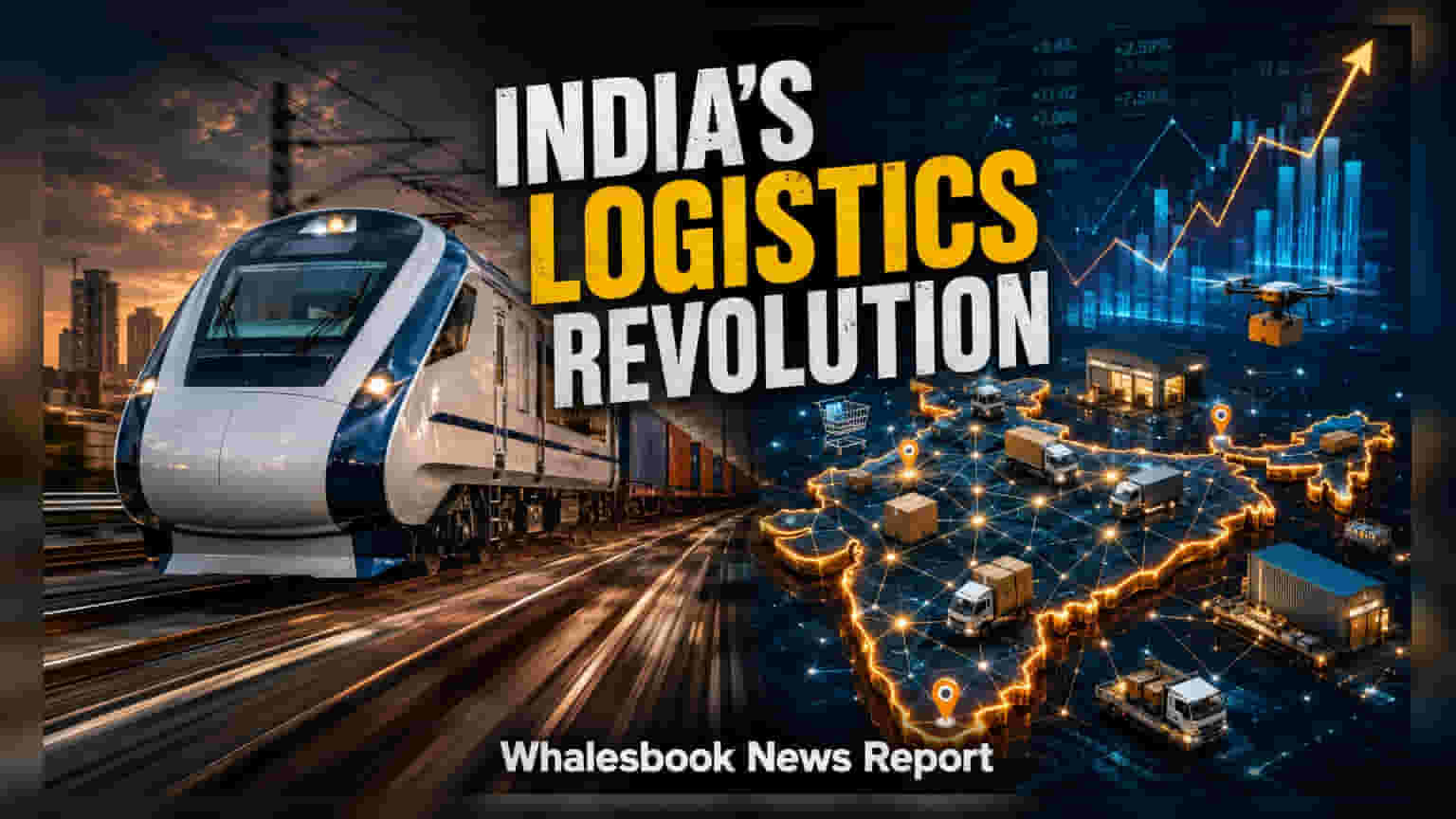
India has launched technical trials for its first Vande Bharat Freight EMU prototype in Rajasthan. The 16-coach train is designed to modernize e-commerce and cold-chain logistics with high-speed capabilities. This project marks a significant move toward faster parcel delivery services across the Indian rail network.
The Indian Railways has officially commenced high-speed trials for its first Vande Bharat Freight EMU, a specialized parcel train platform developed at the Integral Coach Factory in Chennai. These technical evaluations are currently being conducted within the West Central Railway's Kota Division, specifically utilizing the Kota-Nagda-Sawai Madhopur corridor. This route is frequently used for testing high-speed train sets due to its infrastructure capabilities.
Expanding High-Speed Logistics
This project represents a strategic effort to upgrade the nation's logistics infrastructure, particularly for time-sensitive cargo such as e-commerce shipments and cold-chain goods. By leveraging the existing Vande Bharat design, the Railways aims to move away from traditional, slower freight transport to a faster, more reliable model. The Research Designs and Standards Organisation is leading the comprehensive testing program to ensure the train meets safety and performance standards before commercial integration.
Performance and Technical Specifications
The initial testing phase has already demonstrated strong performance metrics, with the prototype rake reaching speeds of up to 145 km/h during return runs. The month-long testing schedule is designed to evaluate the train's stability and reliability under various conditions. Technical teams are conducting oscillation trials, emergency braking distance assessments, and coupler force testing to ensure the train can handle high speeds while fully loaded.
The Vande Bharat Freight EMU features a specialized configuration comprising two refrigerated vans, two non-driving trailer coaches, and twelve standard parcel coaches. The design supports a total payload capacity exceeding 397 tonnes and incorporates modern safety systems, including the KAVACH anti-collision technology and automatic door locking mechanisms. The inclusion of refrigerated vans is particularly noteworthy, as it addresses a critical gap in India's cold-chain infrastructure for perishable goods.
Next Steps for Operational Deployment
For investors and industry observers, the focus will now shift to the conclusion of these trials and the subsequent roadmap for fleet expansion. The efficiency of this prototype in real-world operations will determine the future scale of deployment across the national rail network. Stakeholders may monitor future updates regarding the project's commercial launch timeline, manufacturing orders for additional rakes, and the overall impact on the express parcel logistics segment, which has traditionally relied on road transport.