

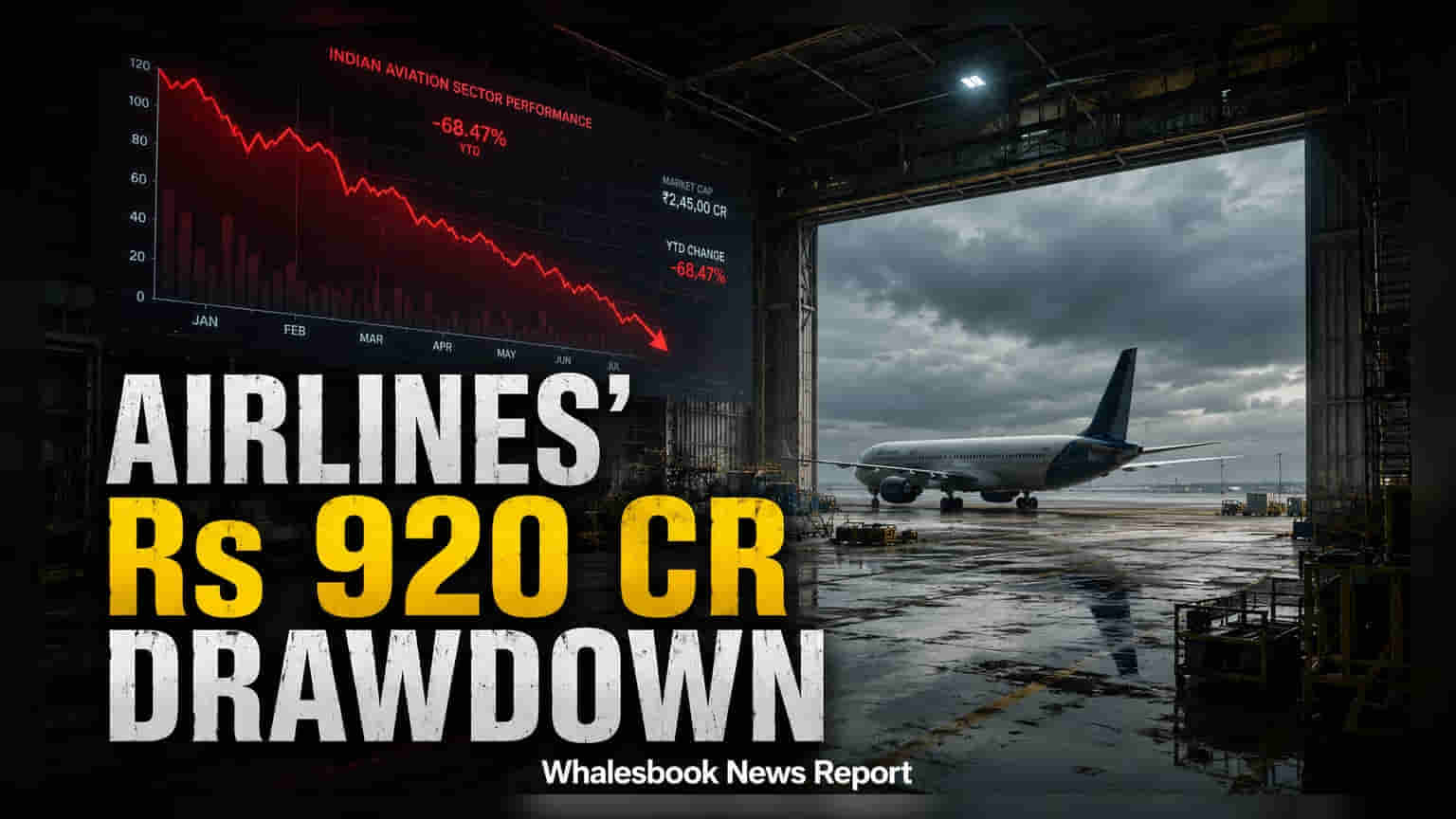
Indian airlines have tapped into less than 20% of the Rs 5,000 crore credit support scheme introduced in May 2026. With only Rs 920 crore sanctioned so far, the slow progress highlights the challenges airlines face in meeting strict borrowing conditions and managing debt levels amidst ongoing operational pressures from high fuel costs and regional conflicts.
Indian airlines have accessed a limited portion of the government-backed emergency credit support launched earlier this year. As of August 10, 2026, the sector has utilized approximately Rs 920.22 crore of the Rs 5,000 crore allocated under the Emergency Credit Line Guarantee Scheme 5.0. This gap between the available funds and the amount actually sanctioned points to a cautious approach from both lenders and airline companies.
The government introduced this scheme in May 2026 to provide temporary relief to aviation companies struggling with the fallout of the West Asia conflict and the high cost of aviation turbine fuel. While the program aimed to provide a safety net, the process has not seen widespread usage. Out of eight total applications received, seeking nearly Rs 2,530 crore in support, only four have been cleared for sanction so far. Of these, government guarantees have been issued for only three applications, totaling Rs 912.40 crore.
The slow uptake may be tied to the strict conditions attached to the funding. Eligible airlines can borrow up to 100% of their peak outstanding credit from the previous fiscal year, with a cap of Rs 1,500 crore per borrower. However, the use of these funds is tightly controlled. For loans exceeding Rs 100 crore, airlines must provide an auditor’s certificate to prove that the money is used only for specific operational costs like salaries, fuel, and lease payments. Smaller loans require self-declaration, but all applicants must navigate the JanSamarth Portal, which may involve rigorous compliance checks.
From a financial perspective, this scheme offers a seven-year loan tenure with a two-year period where only interest needs to be paid. Despite these terms, airlines appear to be balancing the need for immediate cash against the long-term burden of additional debt. The sector continues to face significant pressure from volatile oil prices and disruptions to flight paths caused by regional instability, which makes it harder for companies to maintain stable cash flows.
The government provides a 90% guarantee on these loans through the National Credit Guarantee Trustee Company. While this lowers the risk for banks, it also creates a potential future liability for the government if airlines are unable to repay these loans. As lenders remain careful about the financial health of the aviation industry, they are likely conducting deep reviews of each airline's ability to service new debt.
Moving forward, the primary factor to monitor is whether more airlines will successfully qualify for the remaining funds as operational pressures continue. Investors and stakeholders should focus on the quarterly financial updates of airline companies to see how they manage their debt levels and whether they are able to improve their operational margins in the coming months.