

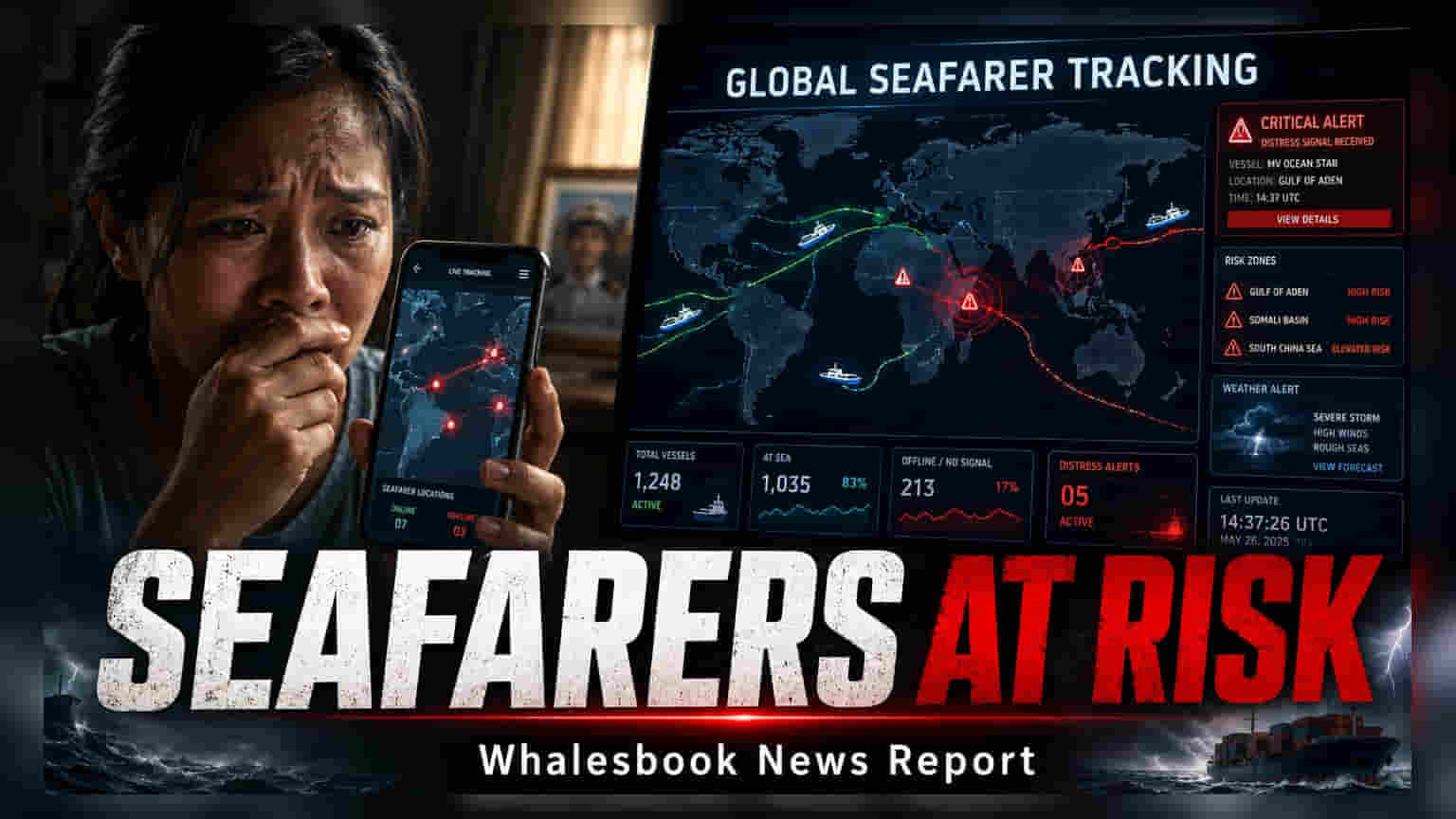
The Indian government will unveil a digital dashboard on August 15 to track Indian seafarers globally, regardless of their vessel's flag. This initiative aims to strengthen safety protocols amid rising geopolitical tensions in regions like West Asia and the Black Sea. The move supports a workforce that currently contributes 12.2% of the total global seafaring population.
The Indian government is set to launch a comprehensive digital dashboard on August 15, 2026, designed to monitor the safety and location of Indian seafarers worldwide. This initiative, part of a broader 'Seafarer-First' strategy, ensures that Indian crew members can be tracked in real-time, whether they are serving on Indian-flagged vessels or ships registered in other countries. The move comes as the government enhances its crisis response capabilities in response to ongoing geopolitical tensions in high-risk maritime zones, including West Asia and the Black Sea.
Union Ports, Shipping and Waterways Secretary Vijay Kumar confirmed the beta launch of this tracking platform. The government has already facilitated the safe repatriation of approximately 4,000 seafarers from the Gulf region, and the new system is intended to provide constant monitoring and a faster, more coordinated response mechanism for future emergencies. This is a critical development for India, which has established itself as the world’s second-largest supplier of seafarers, accounting for about 12.2% of the global seafaring workforce.
Digital Maritime Reform
In addition to the tracking dashboard, the government recently inaugurated 'E-Samudra,' a digital platform aimed at unifying maritime services. This system consolidates various operations for seafarers, shipping companies, and port authorities into a single, transparent digital interface. By digitizing these services, the government aims to reduce administrative delays and improve the overall governance of the maritime sector.
Industry Implications
For the broader maritime and logistics sector, these initiatives reflect a push toward greater transparency and operational safety. However, the industry remains sensitive to the macroeconomic conditions impacting global shipping. Prolonged regional instability in areas like West Asia can disrupt trade flows and energy supplies, while also leading to increased operational costs and higher insurance premiums for shipping lines navigating high-risk zones. While the new tracking system directly addresses human resource security, market participants continue to monitor how these geopolitical factors influence the overall stability and profitability of global shipping operations.