 Whalesbook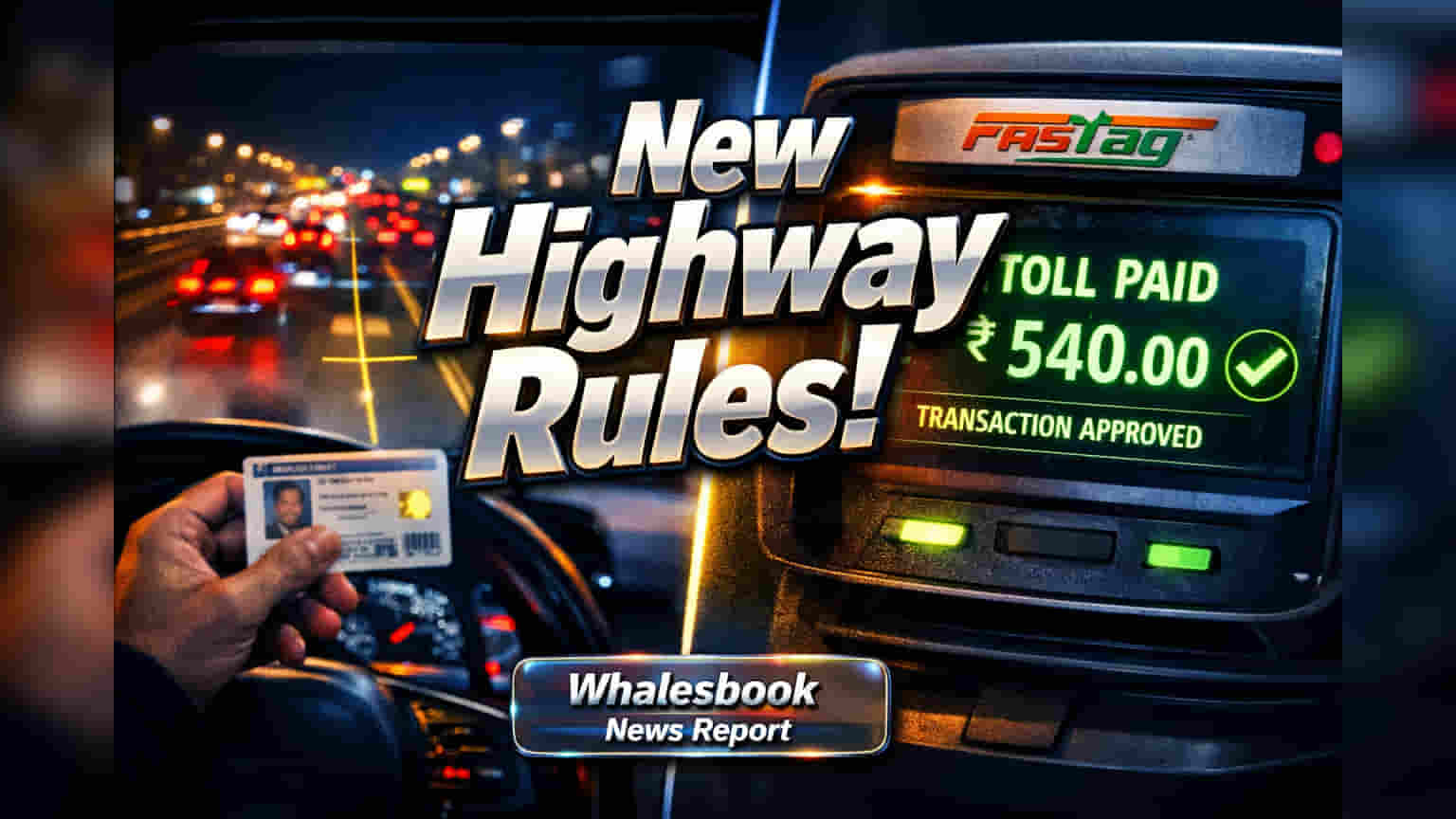


New Rules Aim to Streamline Highways
This regulatory change significantly affects how India's transport and logistics sector operates. The new rules are intended to speed up traffic and improve toll revenue collection. However, they also introduce fresh compliance steps and data collection methods that will alter how goods and people travel across the country's roads.
Key Changes at the Toll Booth
Starting April 10, mandatory identification and digital-only toll payments mark a major shift for highway users. Vehicles must now show government ID, like Aadhaar or a driving license, at toll gates. Failure to comply could result in fines or being denied passage. Cash payments are no longer accepted; only FASTag, UPI, or cards will work. Vehicles without FASTag may face higher fees or penalties, in line with Rule 14 of the National Highways Fee Rules, which aims to reduce traffic jams and lost revenue. Random checks for insurance, registration, and pollution certificates will also be conducted to ensure only compliant and safe vehicles are on the road. Additionally, advanced surveillance using CCTV and ANPR systems will track vehicle movements and detect violations more effectively. The market's initial reaction is expected to be mixed: tech and digital payment firms might see more business, while logistics companies will weigh the costs of compliance and potential transition delays.
Broader Impact and Privacy Concerns
This move towards a fully digital and documented highway system supports India's wider goals for economic digitization. FASTag use is already widespread, with over 90% adoption on national highways, showing public comfort with digital tolls. However, requiring personal IDs adds a new level of data collection. Questions are arising about data privacy and the risk of information misuse by authorities. For the transport sector, immediate operational adjustments are needed. While larger logistics companies are already embracing digital trends, the many smaller, informal operators might face significant difficulties. This could lead to higher operating costs or being blocked from routes if they cannot comply. India has historically updated highway rules gradually. Past efforts concentrated on building more infrastructure and introducing electronic tolling. This current move, however, integrates mandatory personal identification and increased surveillance, marking a more thorough regulatory shift than previous, less structured actions. The effectiveness of these new rules will rely heavily on smooth technology integration and clear public guidance to avoid confusion and disruption.
Risks and Challenges Ahead
While the government aims for efficiency and safety, several risks loom over these highway changes. The mandatory ID rule raises serious data privacy worries. Combining personal IDs with vehicle movement data creates a powerful surveillance capability. The risk of data breaches or misuse by authorities poses a significant threat to individual freedoms and company data security. Moreover, depending on digital payment systems, though meant to prevent revenue loss, also makes the system vulnerable to technical problems. Outages, cyberattacks, or glitches in FASTag or UPI could halt traffic nationwide, causing major economic disruption and severely impacting time-sensitive logistics. For businesses operating with tight budgets, the cost of meeting all requirements, including new digital tools and staff training, will add to expenses and potentially cut into profits. Unlike nations with fully developed digital ID systems for everyone and every vehicle, India's varied social and economic makeup means enforcement could be inconsistent. This might create an uneven playing field for smaller operators struggling to adapt. The current plan lacks clear backup strategies for major system failures or potential public backlash over privacy concerns.
Long-Term Expectations
The future of India's highways depends on how well these new rules are put into practice and accepted by the public. Experts expect that successful implementation will result in better traffic flow, shorter travel times, and more transparent toll collection, likely boosting the logistics sector's overall efficiency. However, the industry will be watching enforcement strategies, the reliability of the technology, and the government's dedication to protecting collected data. The digital payment market is expected to continue consolidating and innovating. Transport companies will need to adjust their business models to incorporate these new compliance demands.