

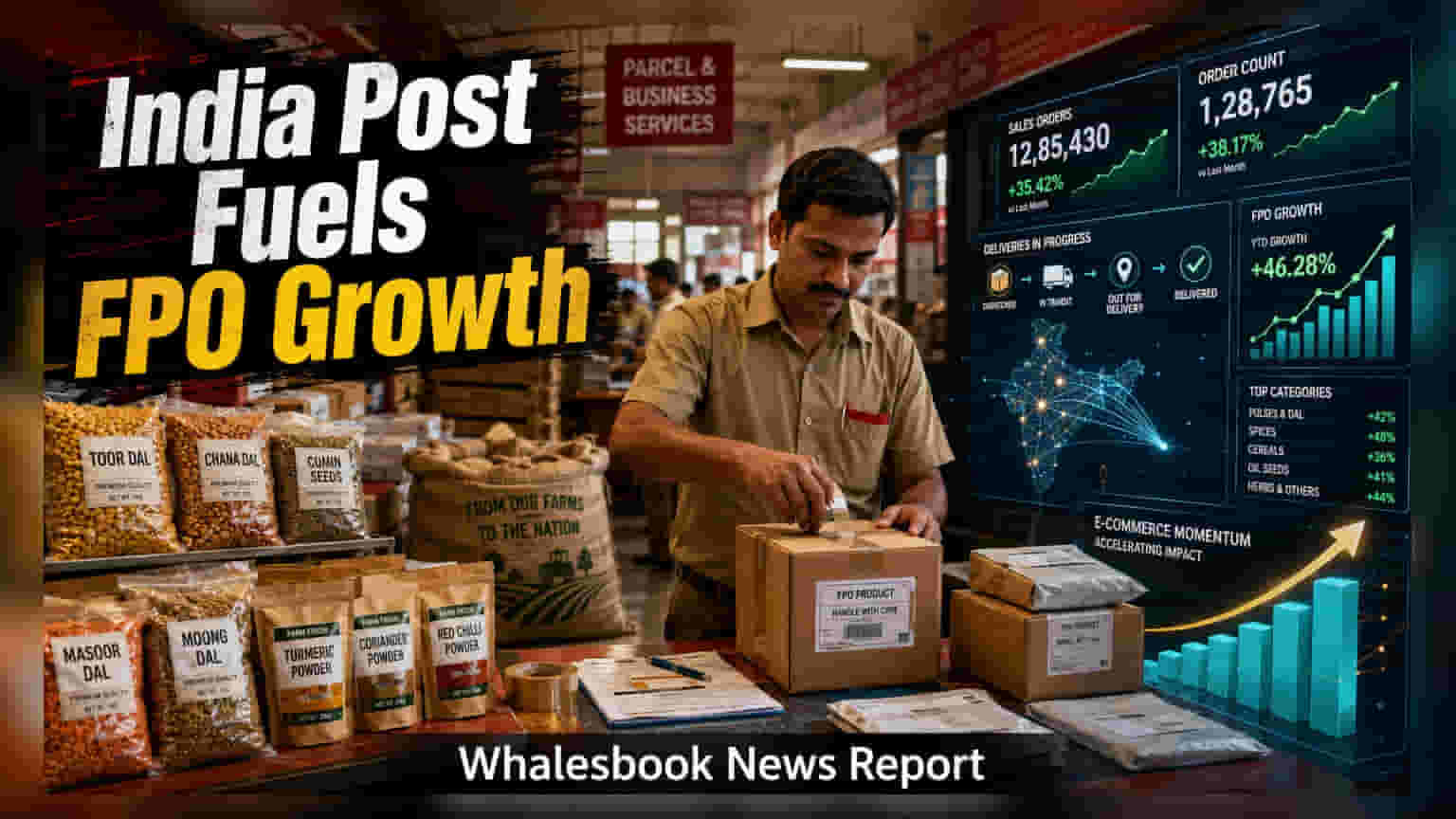
India Post’s pilot program in Gujarat allows Farmer Producer Organizations (FPOs) to use post offices for inventory and delivery via the ONDC network. This initiative is helping local farmers reach wider markets by reducing logistical costs. While successful in the region, the long-term impact for the broader rural economy will depend on scaling operations nationally and the financial stability of participating FPOs.
India Post is actively transforming its logistical role by integrating with the Open Network for Digital Commerce (ONDC) to support Farmer Producer Organizations (FPOs). The pilot program, launched in Gujarat in November 2025, serves as a test case for how India’s vast postal network can bridge the gap between rural producers and urban consumers.
The core of this model is operational efficiency. FPOs now store their products directly at designated post offices, which serve as mini-fulfillment centers. When an order is placed through platforms like the MyStore App, India Post manages the entire logistics chain, from picking up the items at the post office to final delivery. This setup removes the need for FPOs to manage complex, high-cost third-party delivery networks, which has historically been a significant barrier to profitability for small farmers.
Financial data from the pilot suggests a positive trend. For instance, the Jamnagar-based Ranmal FPC reported a turnover of approximately ₹4 crore up to July of the current fiscal year, highlighting the impact of reaching a broader digital market. The initiative aims to standardize shipping costs, making it more feasible for FPOs to sell small-ticket items like lentils, cumin, and processed foods that previously struggled with high delivery fees.
While this development is a notable step for the ONDC ecosystem, there are practical challenges to consider. India Post is a massive government department, not a publicly traded company, so this initiative functions as a public infrastructure project rather than a direct investment opportunity. However, for investors tracking the rural economy and agri-tech, the program highlights the potential for digitizing supply chains in India’s tier-2 and tier-3 regions.
The initiative also faces execution risks. Scaling this model from a few locations in Gujarat to the wider network of over 1.64 lakh post offices will require significant management, staff training, and technological integration. Furthermore, many FPOs in India operate with limited capital and varying levels of business maturity. The long-term success of this model will depend on whether these organizations can maintain consistent production quality and financial health while navigating the complexities of digital marketplaces.
Investors and observers should monitor the pace of the national rollout, as the program’s ability to handle higher order volumes will be the next real test. Future updates from the Ministry of Communications regarding the expansion to other states and the onboarding of more FPOs will be key indicators of whether this model can truly serve as a national blueprint for rural commerce.