

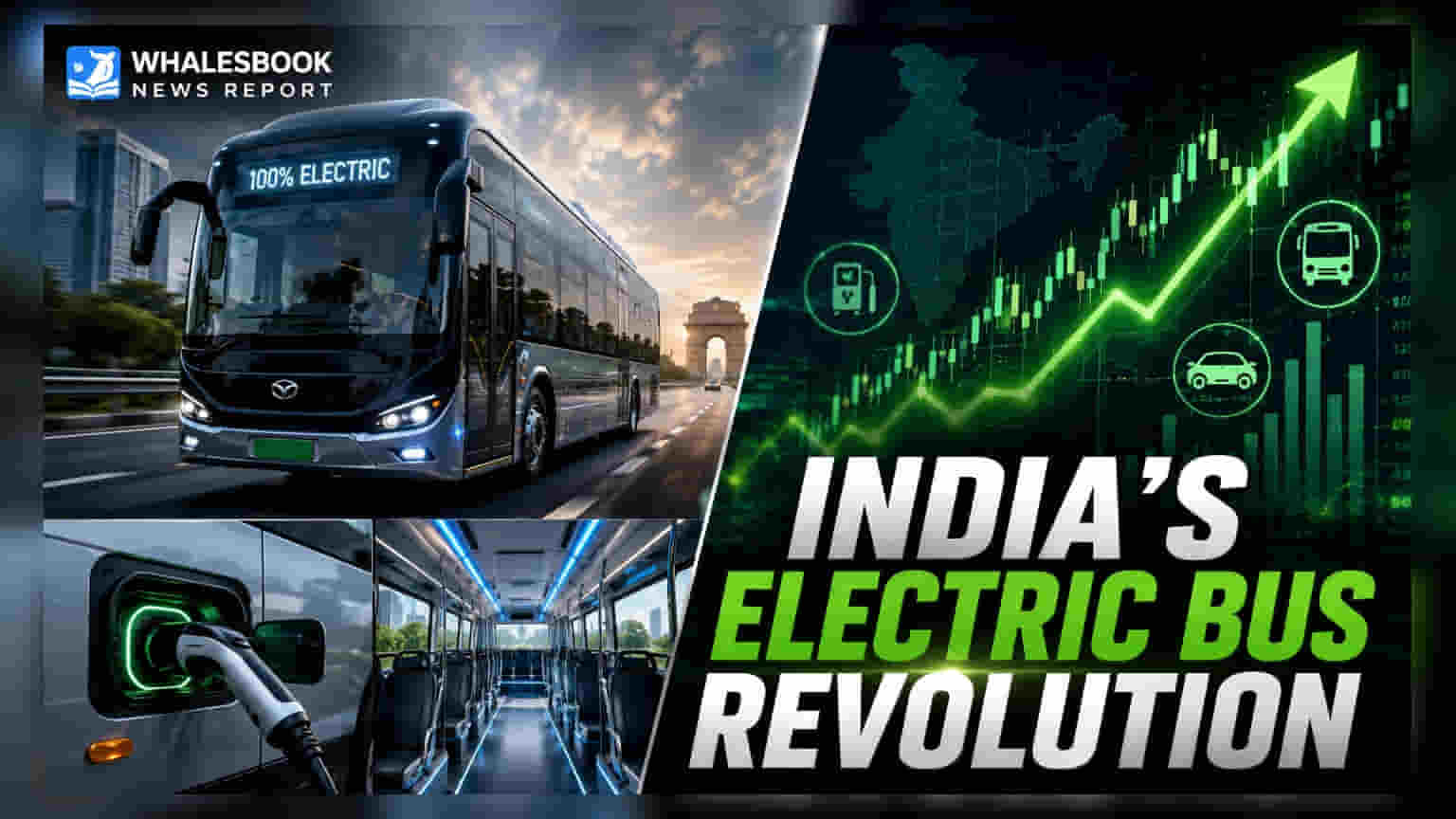
The Indian government is preparing a five-year, ₹20,000 crore scheme to help private bus operators switch to electric vehicles. This plan seeks to address high upfront costs and financing difficulties, as private players operate nearly 87% of the nation's total bus fleet.
What Happened
The Indian government is finalizing a new incentive program worth ₹20,000 crore over five years, specifically aimed at encouraging private bus operators to adopt electric vehicles (EVs). While previous government support focused heavily on State Road Transport Undertakings, this initiative expands the focus to the private sector. The program intends to tackle financial hurdles and operational uncertainties that have slowed the transition to electric fleets among private bus owners.
Why This Matters For Investors
Private operators currently manage about 87 percent of India's bus fleet, making this segment critical for large-scale electrification. The primary hurdle for these operators has been the high upfront cost of electric buses compared to traditional diesel vehicles. By focusing on financial instruments like interest subvention and viability gap funding, the government aims to lower the cost of borrowing. For listed commercial vehicle manufacturers and EV component makers, this policy could translate into higher demand for electric buses, potentially improving order books for companies already investing in this space.
The Financial And Structural Approach
The proposed incentive structure is designed to de-risk the transition for fleet owners who previously struggled to secure affordable credit due to a lack of long-term performance data for electric buses. Financial institutions have historically been hesitant to lend to this segment. By providing government-backed support, the scheme hopes to make electric buses a more viable long-term investment. While charging infrastructure is managed under separate existing programs, the potential inclusion of localization requirements could influence how companies source parts, impacting margins for manufacturers that rely on imported components.
Sector Context And Risks
This move aligns with broader national goals to reduce reliance on imported fossil fuels, a priority that has gained urgency due to global geopolitical pressures affecting oil prices. However, the success of this scheme will depend on execution and the ability of the banking sector to participate effectively in the lending program. Investors should watch for the official rollout of the final guidelines, as the specific structure of the subsidies and eligibility criteria will determine the actual impact on company balance sheets. There is also the inherent risk that if demand remains concentrated in specific regions or if charging network rollout lags, the actual adoption rate among small private fleet operators could be slower than anticipated.
What Investors Should Track
The most important monitorables include the official notification of the scheme’s eligibility criteria, the specific interest subvention rates, and the timeline for implementation. Additionally, investors may observe how major commercial vehicle manufacturers update their production targets for electric buses in response to this policy. Monitoring management commentary from leading bus manufacturers regarding order book growth and the conversion rate of potential private buyers will provide a clearer picture of the actual benefit to company revenue and profitability.