 Whalesbook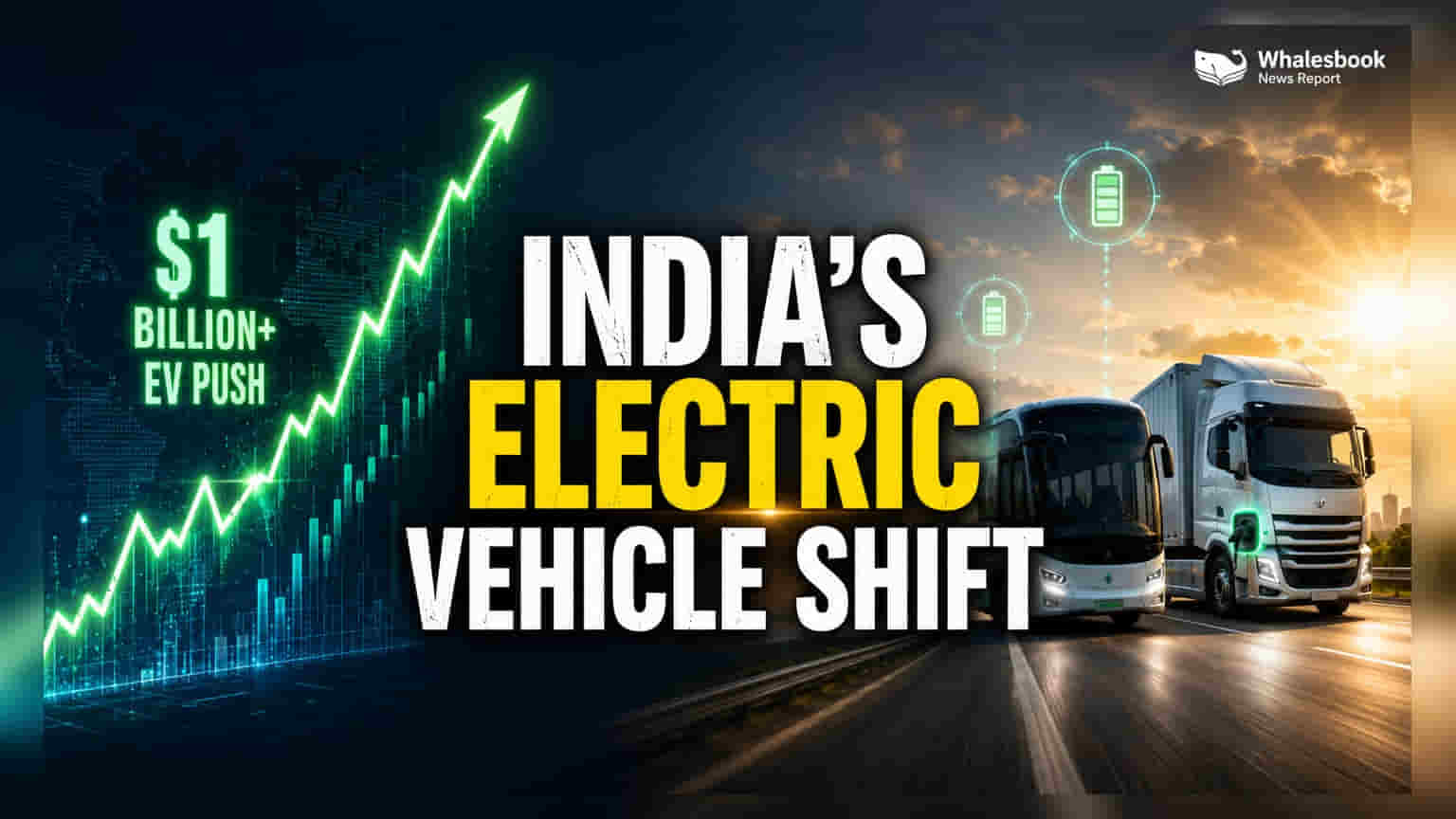


India Aims to Electrify Commercial Fleets
India is considering a significant incentive package, potentially exceeding $1 billion over ten years, to speed up the adoption of electric vehicles in the private commercial transport sector. This move aims to reduce the nation's heavy reliance on fossil fuels, addressing concerns about energy security and worsening urban air quality. The program is expected to focus on India's largely privately-owned truck and bus fleet, with particular attention on inter-city bus operators. Specifics on the budget, eligible vehicles, and subsidy structures are still under discussion.
Energy Security and Air Quality Drive Electrification
The push for electrification is closely tied to India's goal of greater energy independence. The country imports nearly 90% of its crude oil, making it vulnerable to global price swings and geopolitical events. Electrifying commercial transport is also seen as a key strategy to combat severe air pollution in cities, where vehicle emissions are a major source of harmful particulate matter.
Global Pace of Electrification
While public sector companies have started deploying electric buses, diesel vehicles still dominate new registrations in the commercial segment. Other countries, including China, the U.S., and European nations, are electrifying their commercial vehicle fleets at a faster pace. India's commercial transport sector is primarily privately owned, presenting unique challenges and opportunities for adoption.
Supporting Small Fleet Operators
Officials are looking into financial support for smaller fleet operators who struggle with high upfront costs and limited capital. Proposed measures include interest subsidies of up to $17,500 per vehicle, possibly with a phased reduction in support. A partial credit guarantee scheme is also being considered to encourage banks to finance electric commercial vehicle purchases.
Market Competition and Growth
The success of India's electrification plan will depend on how domestic and international manufacturers respond. Companies like Tata Motors and Ashok Leyland, focused on electric commercial vehicles, could see increased demand. The incentives might also drive investment in charging infrastructure. Global players like Tesla and BYD will be closely watched. While the current market share of electric trucks and buses in India is small, these government incentives are expected to significantly accelerate growth, similar to the impact seen in the electric two-wheeler sector following past incentive programs.