 Whalesbook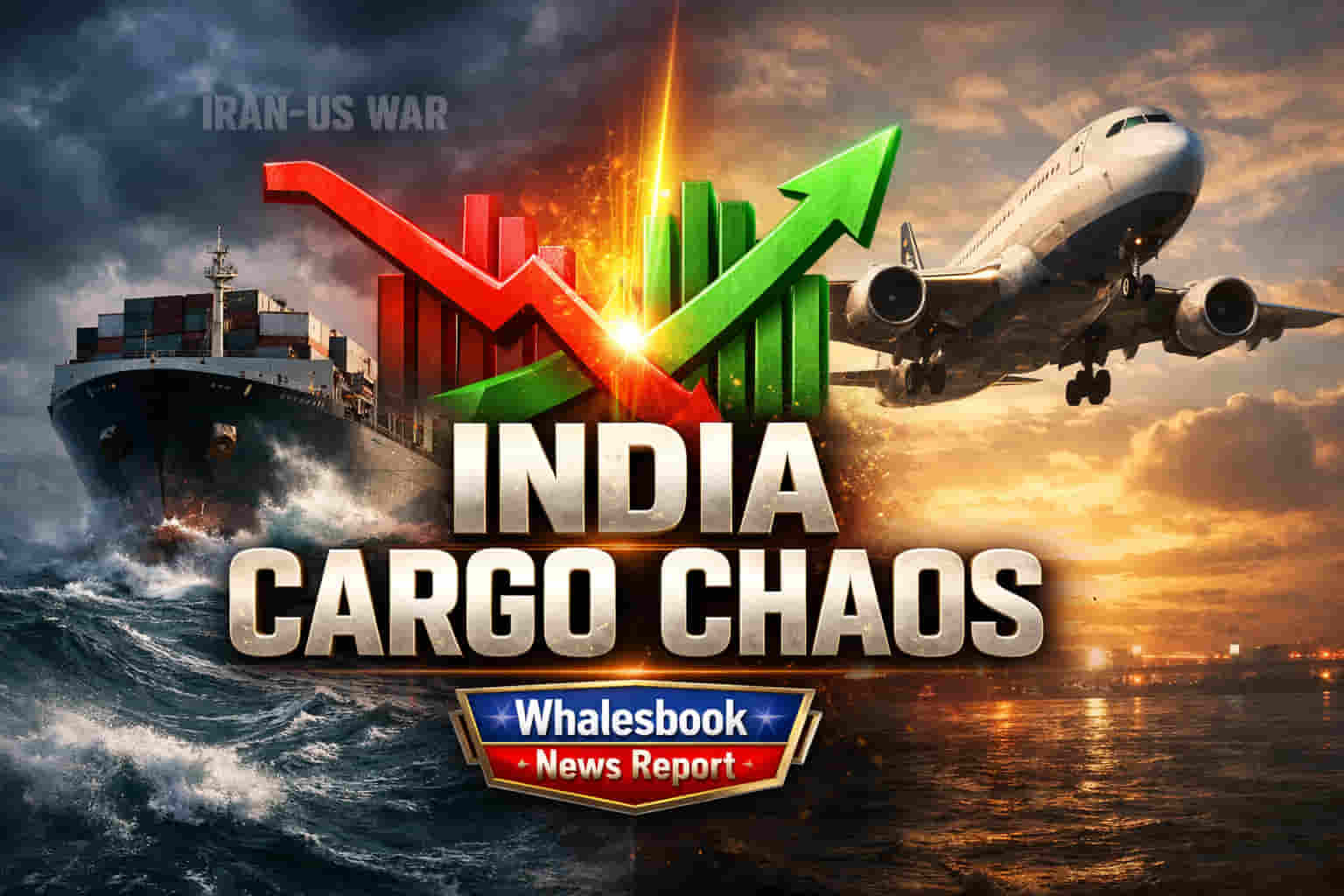
THE SEAMLESS LINK
The urgency for India to secure alternative trade conduits stems directly from the immediate operational paralysis gripping vital shipping lanes, a consequence of the intensified US-Iran hostilities. This situation mandates a strategic reassessment of logistics resilience, moving beyond short-term fixes to address the systemic exposure to Middle Eastern geopolitical volatility.
The Supply Chain Shockwave
The direct military actions between the US/Israel and Iran have precipitated a cascading crisis across global supply chains. The Strait of Hormuz, a critical chokepoint through which approximately 20% of global oil and 20% of LNG transit, is effectively closed to commercial shipping. This has led to a sharp surge in freight rates, with industry estimates predicting a 20-30% increase, and air cargo rates spiking by as much as 400% in 48 hours. Major carriers like MSC and Maersk have suspended bookings and rerouted vessels, often around the Cape of Good Hope, adding 15-20 days to transit times. Consequently, India faces significant delays and increased costs for its exports, particularly perishable goods and pharmaceuticals, with some manufacturers like Dr. Reddy's warning of inventory shortages. The Federation of Freight Forwarders' Associations in India (FFFAI), representing over 5,000 customs brokers and freight forwarders, is actively engaged with the government to mitigate these disruptions.
Geopolitical Contagion & Economic Drag
This conflict lands on an already stressed global trading system, marked by prior trade disputes and supply chain fragmentation from events like the COVID-19 pandemic and the Russia-Ukraine war. India's exposure is substantial; nearly half of its crude oil imports, amounting to about 1.5 to 2 million barrels per day, typically transit the Strait of Hormuz. The immediate aftermath saw Brent crude futures surge to $77 per barrel, with analysts warning of potential spikes above $100 if the Strait remains closed. Such price increases could widen India's current account deficit by an estimated 0.4% of GDP for every $10 per barrel rise sustained over a year, while also exacerbating inflationary pressures. The Indian Rupee has already weakened, sliding on Monday due to Iran-related developments, adding further pressure to import costs. The broader economic outlook for 2026 anticipates a slowdown in global merchandise trade growth to around 0.5%, making these escalating logistics costs particularly damaging for export competitiveness.
The Forensic Bear Case
The current geopolitical crisis starkly reveals India's structural vulnerability to instability in the Middle East. With approximately 40-50% of India's crude oil imports and a significant portion of its Liquefied Natural Gas (LNG) and Liquefied Petroleum Gas (LPG) transiting the Strait of Hormuz, the nation's energy security is fundamentally exposed. This dependence makes India susceptible not only to price shocks but also to potential supply disruptions, a scenario reminiscent of the 1970s oil embargo. While India's foreign exchange reserves remain robust, covering nearly a year of imports, sustained high energy prices and shipping costs could strain the current account and fuel inflation, impacting sectors from refining and chemicals to transportation and consumer goods. The rerouting of vessels around the Cape of Good Hope, while a necessary contingency, adds significant time and expense, challenging the profitability of Indian exports and potentially affecting goods like basmati rice, tea, and agricultural products. The impact extends to specific industries, with air cargo disruptions affecting Indian pharmaceutical exports and potentially leading to inventory shortages.
Future Outlook
Analysts caution that the market will remain sensitive to the conflict's duration and intensity, with significant implications for global energy prices and trade flows. While market reactions to geopolitical events can be short-lived over the long term, the immediate consequences for India's trade and economy are profound, necessitating strategic planning for supply chain diversification. The current situation highlights the critical need for India to enhance its logistical resilience against future geopolitical shocks in vital trade corridors.