

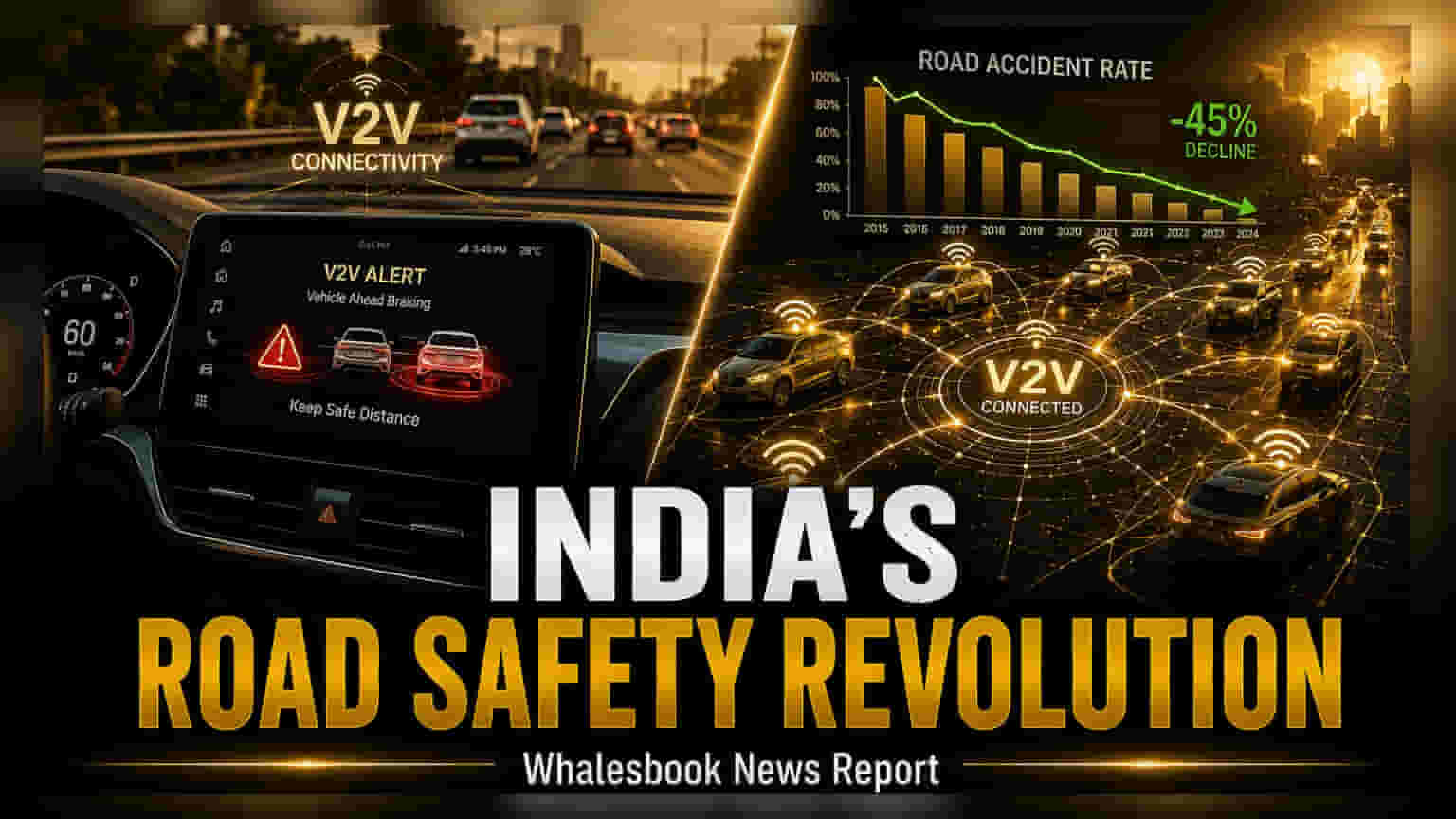
The Ministry of Road Transport and Highways has proposed mandating Vehicle-to-Vehicle (V2V) communication systems in all new vehicles from October 1, 2028. This move aims to improve road safety through real-time data sharing between vehicles. Investors should track how automakers manage the integration costs and technical requirements of the new AIS-230 standard.
The Ministry of Road Transport and Highways (MoRTH) has released a draft notification proposing to make Vehicle-to-Vehicle (V2V) communication systems mandatory for all new vehicles in India. This requirement will apply to L, M, and N category vehicles—covering two-wheelers, three-wheelers, passenger cars, and commercial goods carriers—manufactured on or after October 1, 2028. To facilitate a smoother transition, the government has also proposed a voluntary adoption period beginning October 1, 2027, allowing manufacturers to integrate the technology ahead of the deadline.
The regulatory framework for this initiative is defined by the new AIS-230 automotive standard. The system will operate within the 5.875 GHz–5.925 GHz frequency band, which was officially exempted from licensing by the Department of Telecommunications in June 2026. By enabling vehicles to wirelessly exchange critical real-time data such as speed, direction, and braking status, the technology is designed to alert drivers to hazards beyond their direct line of sight, such as sudden collisions or emergency vehicles approaching around blind corners.
For the Indian automotive sector, this regulatory shift marks a move toward a more connected transport ecosystem. While the technology is intended to complement existing safety features like Advanced Driver Assistance Systems (ADAS), it introduces significant manufacturing and engineering considerations. Automakers will need to install specialized On-Board Units (OBUs) in all new production models. This process involves managing supply chain logistics for new components and ensuring that the technology is robust and secure.
Investors should consider the impact on production costs and vehicle pricing. While the three-year timeline until the mandatory deadline provides manufacturers with a buffer to manage research, development, and integration, the added hardware cost could influence the final price of vehicles, particularly in the price-sensitive entry-level segments. The success of the initiative also relies on achieving a critical mass of connected vehicles on the road, as the safety benefits of V2V increase significantly when a higher proportion of vehicles can communicate with one another.
Beyond implementation costs, other risks that may impact the sector include cybersecurity concerns regarding data privacy and the technical challenges of ensuring interoperability between different vehicle brands and categories. As the proposal is currently open for a 30-day public consultation, the industry will be watching for any adjustments to the final requirements. The next key monitorable for stakeholders will be the release of the final notification and any subsequent announcements from leading automakers regarding their readiness and capital expenditure plans to align with the new safety standard.