 Whalesbook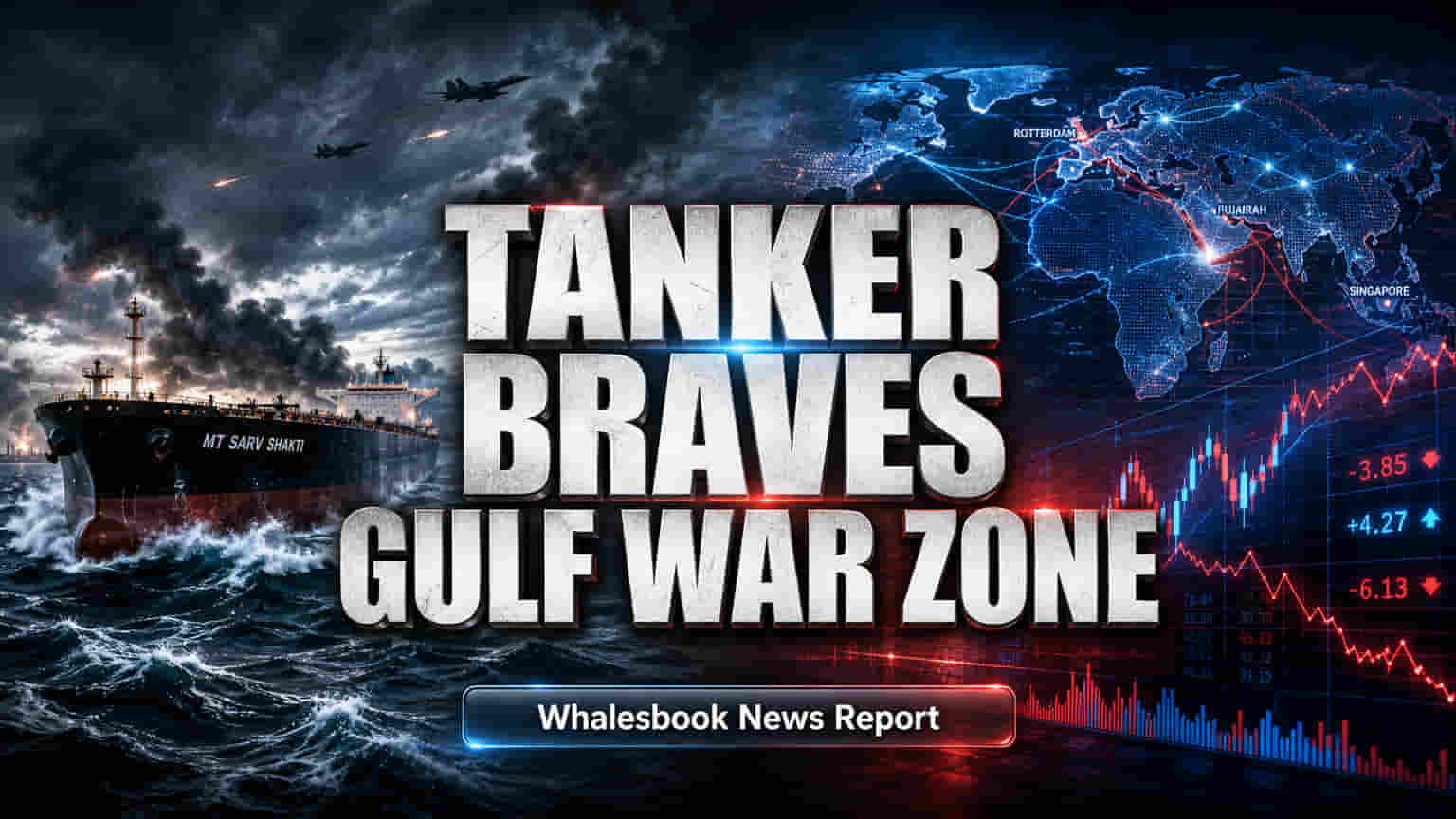


LPG Ship Safely Through Hormuz Amid Rising Tensions
The MT Sarv Shakti successfully passed through the Strait of Hormuz, providing India's energy logistics a vital but potentially brief reprieve. This LPG carrier's journey through the contested waterway shows the delicate balance of global energy flows. The transit occurs amid heightened geopolitical friction that had previously disrupted shipping lanes, affecting energy supplies and market stability. The 18 Indian crew members aboard MT Sarv Shakti highlight the human aspect of these high-stakes tensions.
Strait of Hormuz: Tensions Continue to Disrupt Shipping
The Strait of Hormuz, a key transit point for global oil and gas, has become a focal point for Iran-United States tensions, causing intermittent disruptions and affecting energy markets. While the MT Sarv Shakti's passage is a positive sign, its importance is lessened by thirteen other Indian-flagged vessels still stranded west of the strait. Before this, nine Indian LPG carriers and one crude oil tanker had safely passed since February 28, suggesting a strategy of managing risk rather than a full resolution. Analysts are watching Middle East developments closely, as regional geopolitical instability often leads to higher crude oil prices, with Brent crude historically rising 5-10% after major incidents. Brent crude futures are currently around $82 per barrel, and LPG spot prices are near $900 per tonne, showing how sensitive the market is to supply risks.
Shipping Firms Face Increased Costs and Volatility
Shipping and energy firms, like India's Shipping Corporation of India (SCI), face greater operational challenges and higher costs from such geopolitical events. SCI, a major Indian maritime transport provider, typically has a P/E ratio around 15 and a market cap near $2 billion. Longer tensions can also raise insurance costs for ships in risky areas and affect freight rates. International LPG carriers like Dorian LPG and BW LPG often see similar P/E ranges (10-20), with market caps that can handle industry-wide shifts. Past disruptions in the Strait of Hormuz have often caused significant market swings, leading to temporary price jumps for energy commodities and more volatile shipping stocks.
Underlying Energy Supply Risks Remain High
Even with the MT Sarv Shakti's safe passage, the fundamental risks to energy supply chains stay high. The thirteen Indian-flagged vessels still stranded west of the Strait of Hormuz point to ongoing logistical problems and the possibility of quick escalation. The deep-seated geopolitical friction between Iran and the United States, along with regional issues, creates fertile ground for more disruptions. If tensions flare up again or new incidents happen, the Strait could become blocked, causing major supply shocks for countries like India that import energy. The LPG market, though showing some strength, is still open to supply interruptions that can cause price swings affecting businesses and homes. Analyst outlooks for the energy sector, especially in volatile regions, remain cautiously negative, with continued unpredictability expected.
Outlook Hinges on De-escalation and Safe Passage
The future of energy supplies through the Strait of Hormuz depends on diplomatic de-escalation and resolving regional conflicts. While successful passages like the MT Sarv Shakti offer temporary relief, the underlying systemic risks remain. The shipping and energy sectors will likely continue to price in geopolitical risks. Stable supply chains will require ongoing efforts to ensure safe navigation and reduce tensions in this vital waterway. The sector's performance will closely follow Middle East news.