 Whalesbook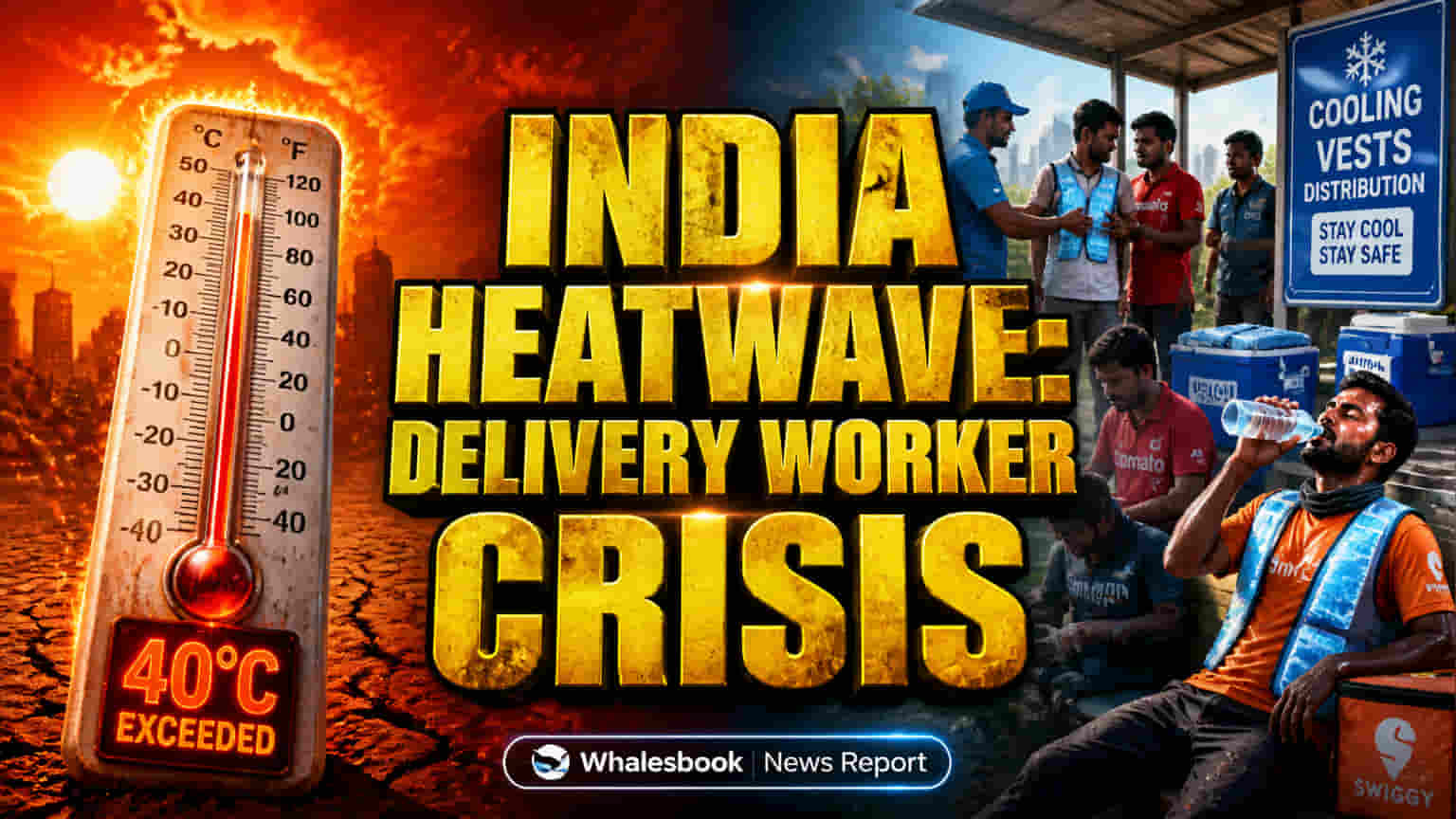


India's Extreme Heat Spurs Delivery Platforms to Boost Gig Worker Safety
As India grapples with record-breaking heatwaves, the operational realities for millions of delivery partners have become a critical concern for the nation's e-commerce and quick-commerce giants. Companies are rapidly deploying a range of initiatives, from specialized cooling apparel to climate-controlled rest facilities, to mitigate the severe health risks faced by their frontline workforce during the blistering summer months. This push for protective measures highlights a growing competition to show corporate responsibility and keep workers safe while they navigate hazardous conditions, often driven by algorithmic performance demands. The steps aim to counter dangers like dehydration and heatstroke, made worse by rapid delivery schedules.
Operationalizing Worker Welfare
Major players are making substantial investments in worker well-being. E-commerce behemoth Amazon has established 'Project Ashray,' a network of 100 air-conditioned rest stops across key urban centers. These facilities offer essential amenities, including seating, washrooms, and first-aid, and are reportedly accessible to all delivery personnel, irrespective of their platform affiliation. Zomato, alongside its quick-commerce subsidiary Blinkit, has partnered with restaurants and other entities to create over 5,000 rest points providing crucial shade and hydration. The company also offers comprehensive health insurance, covering outpatient, inpatient, and day-care treatments for its delivery partners. Swiggy and Zomato have introduced innovative cooling vests utilizing evaporative technology to help reduce riders' body temperatures. Zepto is enhancing its dark store infrastructure with air coolers and heat-reflective roof coatings to provide respite for riders, while also ensuring access to hydration and sanitary facilities. Bigbasket is distributing hydration products, and Flipkart has launched a "Doctor on Call" service for its delivery staff, underscoring a sector-wide shift towards enhancing on-ground support. Amazon further complements its offerings with dedicated ambulance support and health check-up camps, signaling a broad industry acknowledgment of occupational hazards.
Talent Race, Scrutiny Drive Welfare Investments
The escalating deployment of worker welfare programs suggests companies are strategically responding to mounting scrutiny and a strong desire to attract and retain talent in this labor-intensive sector. While Zomato, with a reported market capitalization of ₹1.5-1.8 lakh crore, and global giant Amazon, valued in the trillions of U.S. dollars, possess the scale for such investments, the cost implications are significant. The Indian e-commerce and delivery sector continues its robust expansion, fueled by digital penetration and consumer demand. However, this growth is increasingly tied to labor practices. Discussions around a social security code for gig workers in India are ongoing, potentially mandating further benefits and contributions from platforms. This evolving regulatory environment, coupled with public attention, compels companies to enhance safety measures. Past heatwaves typically resulted in localized worker grievances; however, the current organized response reflects the maturity and scale of the gig economy, where proactive measures are becoming a benchmark for operational viability and brand reputation.
Rising Costs and Economic Pressures for Delivery Firms
While these worker welfare initiatives are necessary, they represent substantial new operational costs that could pressure the already thin margins in the quick-commerce and delivery segments. Projects like Amazon's 'Project Ashray' and the widespread establishment of air-conditioned rest hubs require significant capital and ongoing maintenance. For platforms like Zomato, whose valuation often reflects ambitious growth projections, absorbing these increased costs without impacting profitability or rider earnings presents a considerable challenge. These measures can also be seen as temporary fixes for systemic issues within the gig economy, which often draws criticism for precarious employment, low pay, and lack of traditional benefits beyond immediate weather support. Companies feel pressured to invest to avoid negative press and potential regulatory intervention, creating a costly race to meet standards. If a platform falls behind, it risks reputational damage and difficulty attracting workers, yet participation adds significant overhead. Past operational challenges for major delivery platforms show a recurring tension between efficiency targets and worker well-being, with extreme weather events highlighting these inherent vulnerabilities.
The Evolving Outlook for Gig Work
The current wave of initiatives points towards a future where worker welfare will be an increasingly important part of gig economy operations. As consumer and regulatory expectations rise, platforms will likely face continuous pressure to formalize and improve working conditions. This trend could lead to greater standardization of safety protocols and a potential re-evaluation of the cost structure for on-demand delivery services. Companies that can effectively balance operational efficiency, investor expectations, and enhanced worker support are likely to gain an edge in attracting talent and building customer trust. The long-term sustainability of these initiatives will depend on their integration into core business strategies, rather than being seen as simple responses to extreme weather events.