

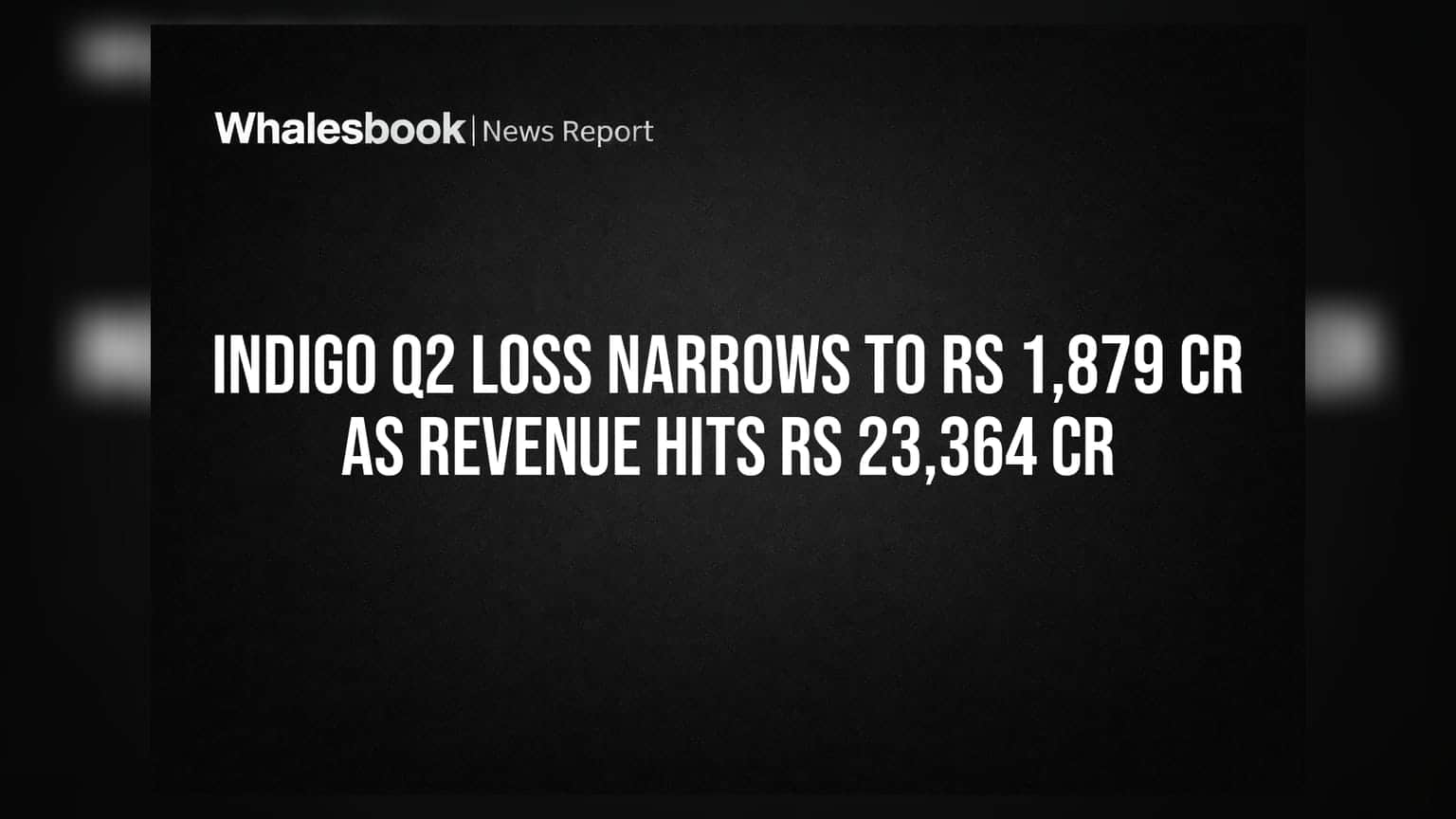
InterGlobe Aviation reported a net loss of Rs 1,879 crore for the September 2026 quarter, marking a 27% improvement from the previous year. Revenue grew 26% to Rs 23,364 crore, driven by strong passenger demand. Investors may monitor how the airline balances its massive fleet expansion against ongoing operational costs and fuel price volatility.
InterGlobe Aviation, the parent company of the domestic airline giant IndiGo, reported a consolidated net loss of Rs 1,879 crore for the quarter ended September 2026. While the company remained in the red, this represents a 27% improvement compared to the Rs 2,582 crore loss recorded in the same period last year. Revenue from operations grew by 26% year-on-year, touching Rs 23,364 crore.
To understand these results, investors should note that the July-September quarter is traditionally a seasonally weak period for Indian airlines. The monsoon season generally leads to lower travel demand, which makes operational profitability difficult for the industry. Despite this seasonal pressure, the strong revenue growth reflects the sustained rise in air travel in India, where the company maintains its position as the market leader by a wide margin.
However, the aviation sector faces persistent risks that affect profitability. Operating costs, specifically the price of Aviation Turbine Fuel and aircraft lease rentals—which are paid in foreign currency—can quickly erode gains when they fluctuate. Furthermore, the company continues to manage supply chain issues, particularly related to Pratt & Whitney engine availability. These engine issues have historically led to grounded aircraft, limiting the number of flights the airline can operate at full capacity.
The company’s strategy remains focused on massive fleet expansion to capture more of the growing market, as it faces increasing competition from other players like the Tata Group-owned Air India. While revenue growth is promising, shareholders will likely monitor whether the company can translate this top-line performance into consistent bottom-line profitability. The ability to manage these high operating costs while expanding its network will be the key test in the upcoming fiscal quarters.
The most important monitorables for investors going forward will be the trend in fuel prices and management updates on aircraft engine availability. Any improvement in these areas could support the company's path toward more stable margins, while unexpected spikes in fuel or further grounding of aircraft could increase pressure on the balance sheet.