

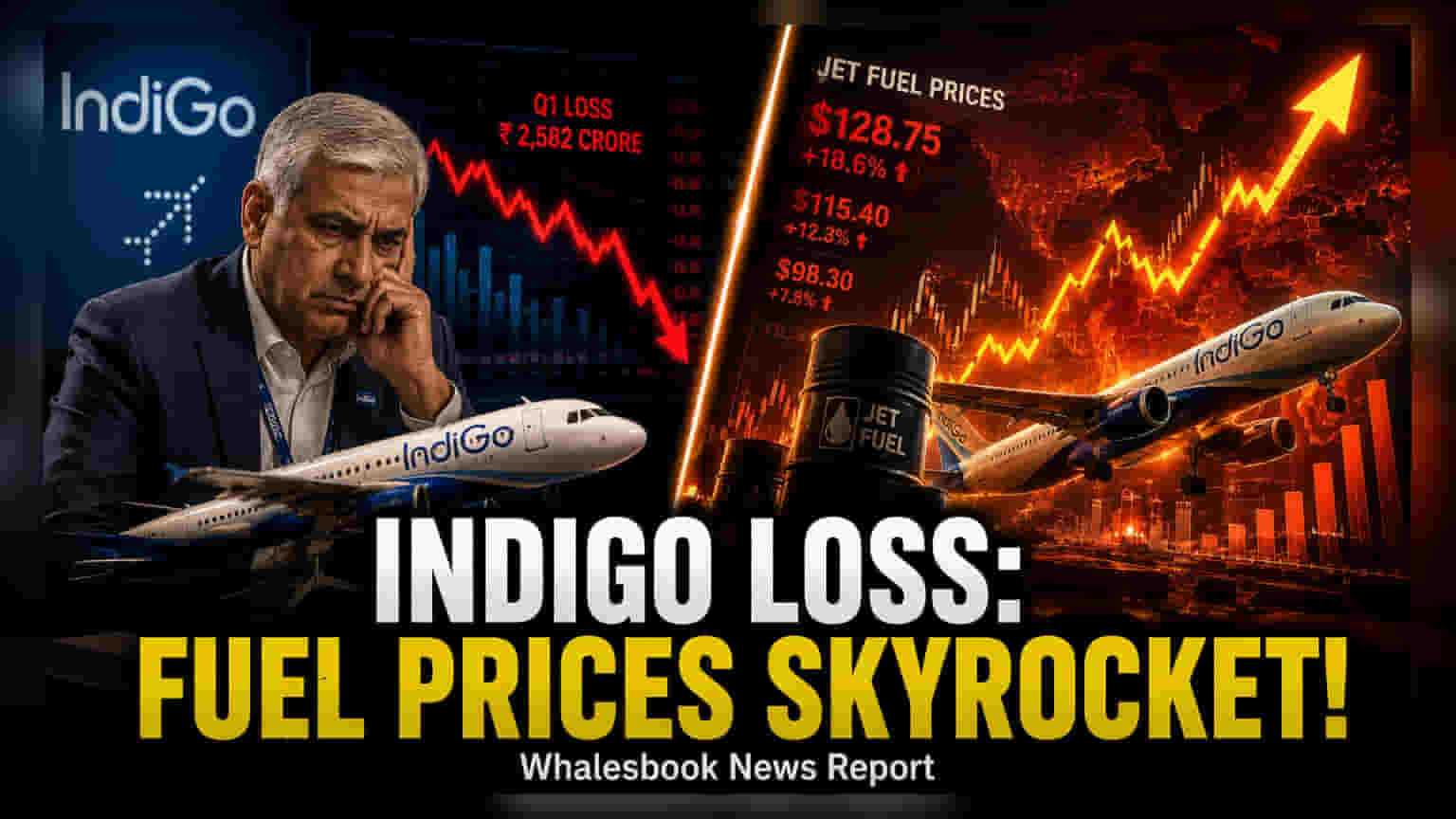
InterGlobe Aviation reported a net loss for the first quarter of FY27, largely due to an 86% spike in fuel costs and rising lease expenses. Despite the earnings hit, the airline maintained 19% year-on-year revenue growth through higher passenger fares. Investors are now monitoring how the company manages cost pressures and capacity utilization amid ongoing geopolitical tensions.
Detailed Coverage
InterGlobe Aviation, which operates the country's largest airline IndiGo, posted a net loss for the first quarter of the 2027 fiscal year. The primary driver behind the weaker bottom line was a sharp escalation in operating costs, specifically fuel expenses and supplemental lease rentals. Fuel costs accounted for 44% of the company's total revenue, a significant rise from the 28-29% range observed in the previous year and the immediate preceding quarter.
Revenue Resilience Through Pricing Power
Despite the pressure on profits, the airline managed to sustain revenue growth, which climbed 19% compared to the same period last year. This increase was driven primarily by a 21% jump in average ticket prices, or yields. This ability to pass on costs to consumers suggests that IndiGo continues to hold significant pricing power in the domestic market. However, volume growth remained moderate, with capacity increasing by 2.8% and passenger load factors—a measure of how full the flights are—settling at 83.3%. This load factor figure was slightly lower than historical benchmarks, indicating that demand, while present, did not fully offset the rise in operating expenses.
Impact of Operational and External Pressures
Beyond fuel, the company faced an 11% year-on-year increase in non-fuel costs. This rise was attributed to general inflation and lower-than-optimal aircraft utilization rates. The airline has also dealt with the impact of rupee depreciation on its lease rentals, which are often denominated in foreign currencies. Furthermore, management has actively raised concerns regarding the competitive environment, particularly regarding airport operators also owning airline businesses. They noted that such a structure lacks clear global precedents and could potentially create conflicts of interest within the aviation sector.
Future Monitorables for Investors
Looking ahead, the company’s profitability will depend heavily on the stabilization of crude oil prices, which have been volatile due to ongoing conflicts in West Asia. Investors should track the company’s ability to improve its aircraft utilization rates as grounding issues ease. Additionally, the success of the airline's international expansion strategy remains a crucial factor, as it aims to diversify revenue beyond the domestic market. The market will also watch for any updates on fleet expansion, as the arrival of new aircraft could help lower per-seat costs over time. While the current fiscal environment presents clear challenges, the airline’s ability to maintain high yields will likely remain a key indicator of its operational health in the coming quarters.