 Whalesbook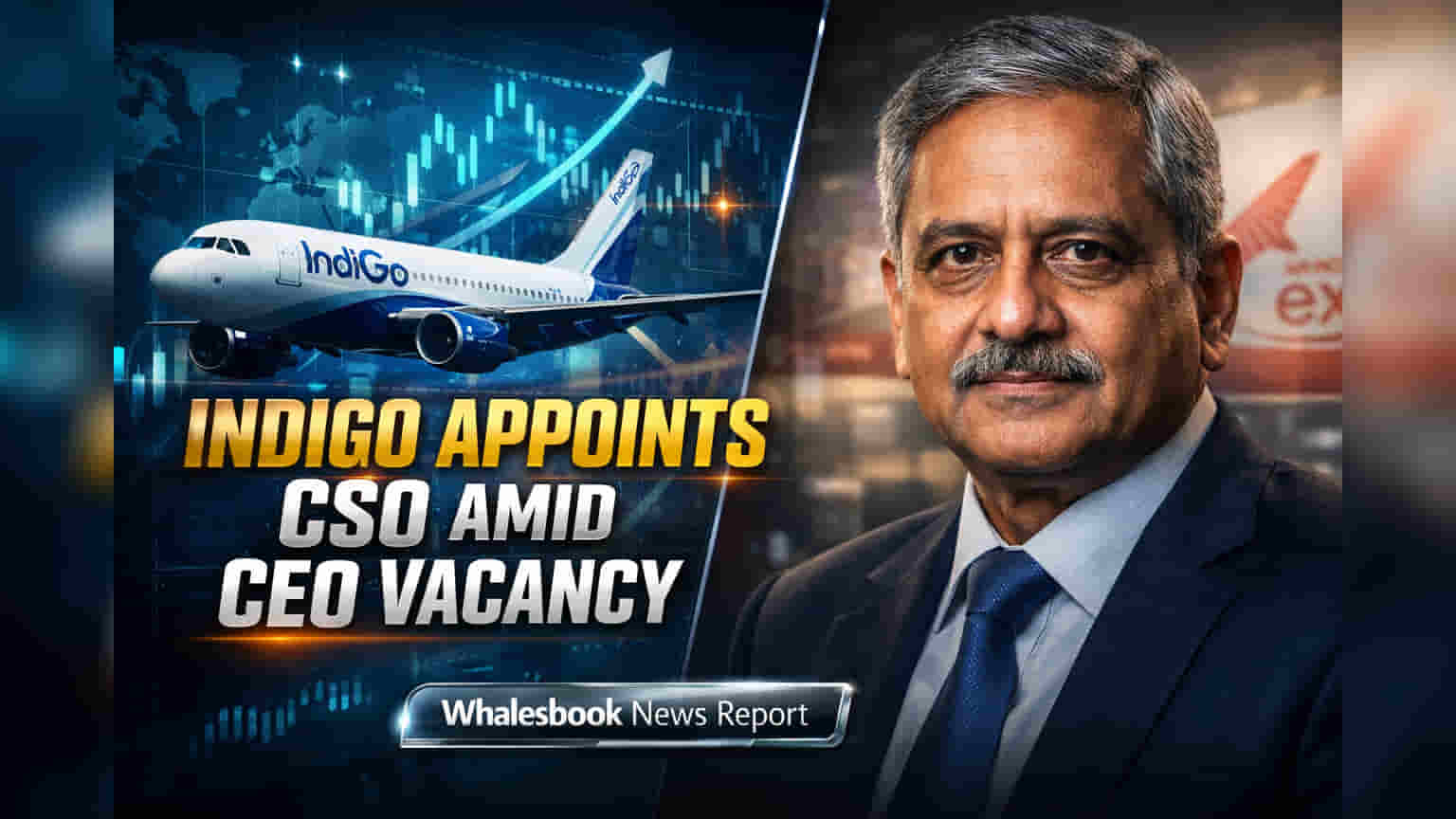
New CSO to Drive Strategy Amidst CEO Search
InterGlobe Aviation, operator of IndiGo, has appointed Aloke Singh as its new Chief Strategy Officer (CSO), bringing over three decades of aviation experience. Effective April 6, Singh will lead the airline's long-term strategic planning and company-wide transformation efforts. This comes as IndiGo is actively searching for a successor to former CEO Pieter Elbers.
Leadership Continuity and Market Reaction
Singh's appointment, effective April 6, underscores IndiGo's focus on strengthening its leadership and strategic path. His extensive background includes five years as Managing Director of Air India Express, where he led operational improvements and growth. At IndiGo, Singh's responsibilities will include developing long-term strategies and driving transformation efforts to support the airline's global expansion and operational strength. He noted he was joining at a "key moment" for the airline's ambitions. This key hire follows the recent departure of former CEO Pieter Elbers. Singh will report to Managing Director Rahul Bhatia, with plans to transition to the new CEO once appointed, aiming to ensure continuity. Despite the strategic value of this role, the market reacted cautiously. IndiGo shares fell 5.61% to ₹3916.30 on March 23, 2026, with higher trading volume, indicating investor concern over the ongoing leadership changes and future strategic direction.
Navigating the CEO Transition
This strategic move occurs during a period of significant leadership transition for IndiGo. Finding a permanent CEO to replace Pieter Elbers is a top priority. Singh's appointment is expected to provide strategic depth and continuity as the airline conducts its search. His experience at carriers like Air India and Oman Air gives him a deep understanding of airline operations and market trends, which is valuable as IndiGo aims for global expansion. The airline is also making broader changes to its senior management team.
Market Positioning and Competitive Landscape
IndiGo remains India's largest airline by market share, built on efficient operations and a low-cost model. India's aviation sector is set for significant growth, fueled by rising passenger numbers, but competition is fierce. Rivals such as Tata Group's Air India and its subsidiaries, plus newcomers like Akasa Air, are competing for market share. IndiGo's strategy relies on keeping its cost advantage and growing its network—goals Singh's expertise should help achieve. Managing capacity, fuel costs, and its large fleet is crucial, especially given volatile energy prices and changing passenger demands.
Historical Investor Reaction
IndiGo's stock has historically reacted to executive changes. The current 5.61% drop is significant, but past leadership transitions have often led to temporary stock dips, usually followed by stabilization if the company's strategy remains clear and its market leadership solid. For example, a similar percentage decline occurred roughly two years ago after a Chief Financial Officer change, before the stock rebounded as operations continued strongly.
Structural Weaknesses and Execution Risks
Despite its leading market position, IndiGo faces ongoing risks. The search for a new CEO creates a potential for strategic uncertainty, which investors may view as a risk. While Singh's experience is valuable, his role is strategic, and key operational decisions will fall to the new CEO. The Indian aviation market, though growing, is vulnerable to economic slowdowns, regulatory changes, and currency shifts that affect fuel costs. Rivals, especially Air India under Tata Group, are investing heavily in improvements, increasingly challenging IndiGo's cost advantage, particularly on premium routes. A major question for investors is whether IndiGo can keep its low-cost structure while expanding globally—a difficult balance for airlines.
The Future Outlook
Analysts largely remain positive, with most brokerages rating InterGlobe Aviation as 'Buy' or 'Hold' due to its strong market share and efficient operations. Price targets generally fall between ₹4200 and ₹4500, reflecting expected future growth. However, these projections depend on appointing a strong CEO and effectively managing costs and expansion amid competition. Investors will closely monitor the CEO selection process and the strategic direction from the new leadership, including CSO Aloke Singh.