

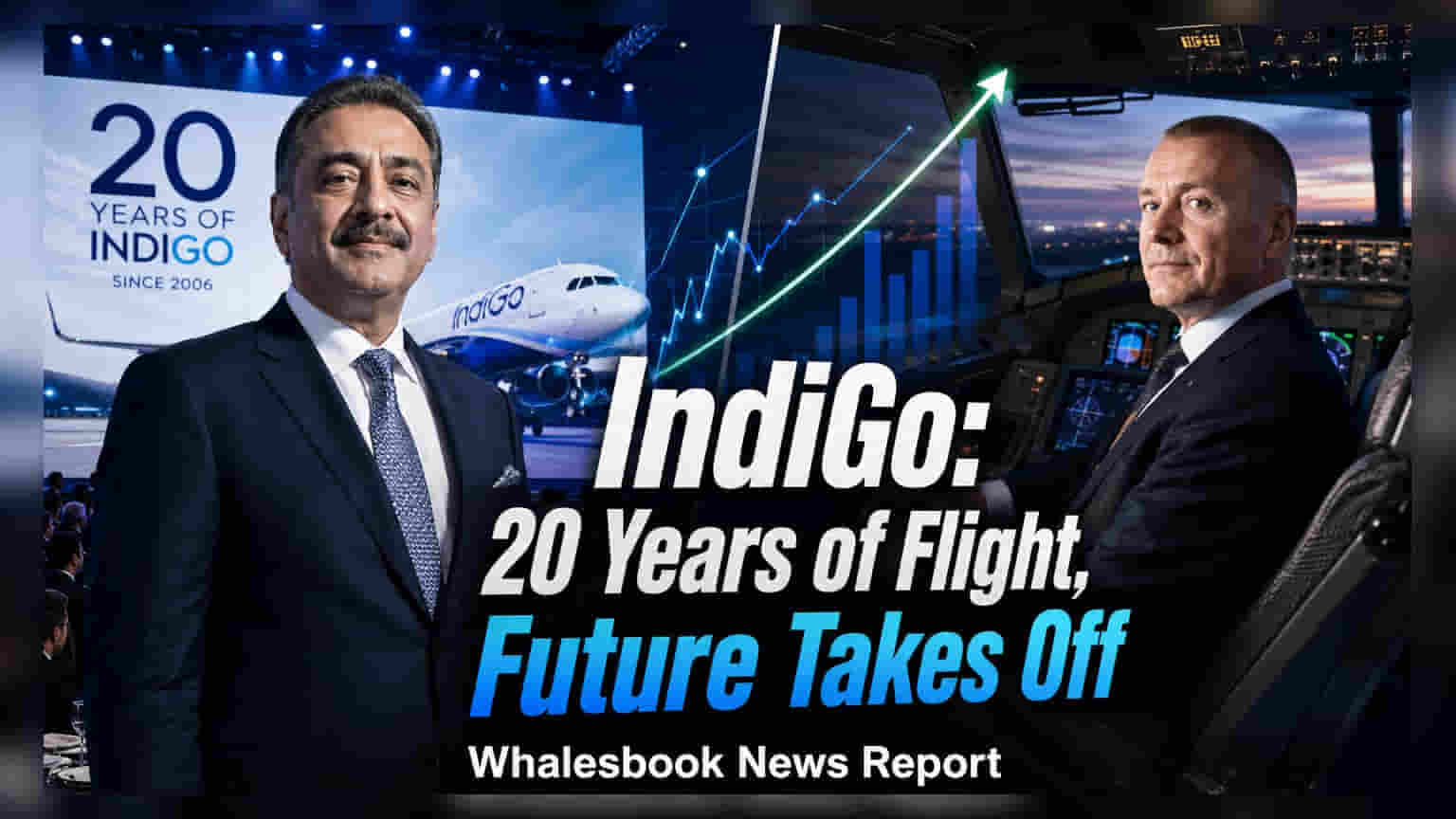
InterGlobe Aviation, operating as IndiGo, celebrates its 20th anniversary as Willie Walsh officially assumes the role of CEO. The airline now operates nearly 2,200 daily flights with a fleet of over 430 aircraft, aiming for further international expansion. Investors will focus on the transition in leadership and the airline's strategy to manage capital spending and competitive pressures.
InterGlobe Aviation, the parent company of India's largest airline IndiGo, marked its 20th anniversary on Tuesday, August 4, 2026. Since its first commercial flight in 2006, the airline has grown to become a dominant force in the domestic market, currently operating a fleet of over 430 aircraft and managing a schedule of nearly 2,200 daily flights.
Strategic Transition in Leadership
The anniversary coincides with a significant management change, as Willie Walsh formally takes over as the new Chief Executive Officer. Rahul Bhatia, the co-founder and Managing Director, had been overseeing operations as interim CEO following the exit of former CEO Pieter Elbers in March 2026. This leadership shift is expected to set the course for the airline’s next decade of growth, particularly as it seeks to expand its footprint in international long-haul markets.
Financial and Operational Context
IndiGo has maintained a strong market share in the Indian aviation sector, largely due to its focus on operational efficiency and a standardized fleet, which helps control maintenance costs. However, the aviation industry remains sensitive to external factors, including jet fuel prices and currency fluctuations. Investors often track how the airline balances its rapid fleet expansion—which requires heavy capital spending—against the need to maintain healthy profit margins. The company's recent expansion into premium cabins and business-class services is part of a broader strategy to move toward higher-value products to improve revenue per seat.
Market Position and Risks
While the airline holds a commanding lead in domestic travel, it faces increased competition from full-service carriers and a resurgent Air India group, which is currently undergoing a massive fleet modernization and consolidation process. Additionally, the aviation sector continues to face risks related to engine-related grounding issues, which have historically impacted capacity utilization across the industry. For shareholders, the key monitorable will be how the new leadership manages the integration of new aircraft deliveries while navigating potential cost pressures from volatile fuel prices and the competitive pricing environment in the Indian market. The company's future performance will depend on its ability to maintain its low-cost advantage while successfully scaling its international network.