IndiGo Faces Pilot Revolt! Hundreds of Flights Cancelled Amid FIP's Shocking Allegations

Overview
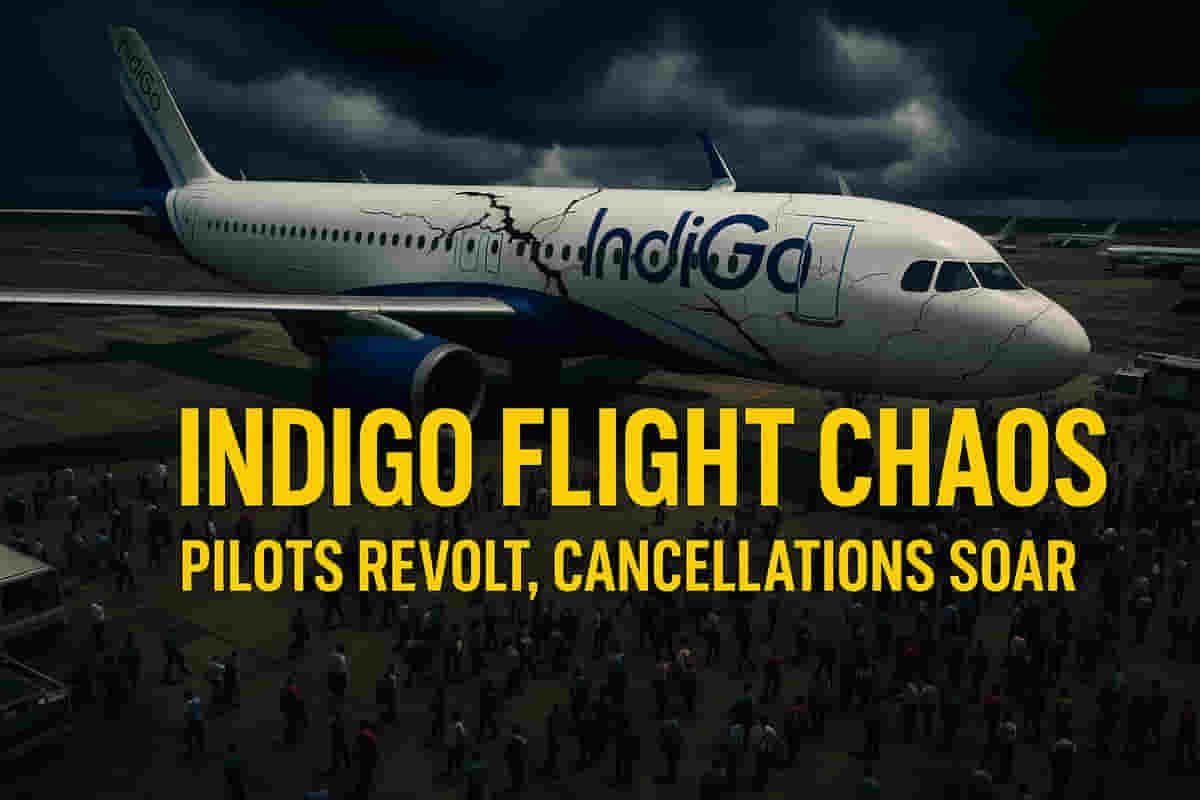
The Federation of Indian Pilots (FIP) has written to the DGCA accusing IndiGo of poor planning, a hiring freeze, and cartel-like behavior, leading to widespread flight cancellations. FIP claims IndiGo had two years to prepare for new flight duty rules but failed, impacting passenger travel, especially during peak seasons. They urge the regulator to reallocate IndiGo's flight slots if the airline continues to fail passengers.
Stocks Mentioned
IndiGo Accused of Poor Planning Leading to Flight Disruptions
The Federation of Indian Pilots (FIP) has formally written to the Directorate General of Civil Aviation (DGCA), levelling serious accusations against the airline IndiGo. The pilots' body alleges that IndiGo implemented a "hiring freeze" and engaged in other "short-sighted planning practices" despite having a two-year period to prepare for the full implementation of new flight duty and rest period (FDTL) norms for its cockpit crew.
FIP's Grievances and Demands
According to the FIP, IndiGo's alleged mismanagement, including entering non-poaching arrangements and maintaining a pilot pay freeze through "cartel-like behaviour," has directly contributed to the recent surge in flight cancellations. The pilots' body stressed that these disruptions are not a consequence of the Delhi High Court-mandated FDTL regulations themselves, but rather IndiGo's "avoidable staffing shortages" stemming from its "prolonged and unorthodox lean manpower strategy."
FIP highlighted that other airlines have managed the FDTL implementation effectively due to timely planning. They are urging the DGCA to consider reallocating IndiGo's flight slots to carriers that can operate them without disruption, especially during the critical holiday and fog season, if IndiGo continues to fail its commitments to passengers.
Operational Impact and Timeline
On Wednesday, IndiGo cancelled over 150 flights and experienced significant delays across multiple airports. The airline cited crew shortages related to the FDTL norms as a contributing factor. Data from the civil aviation ministry showed that IndiGo's on-time performance at six major airports was a mere 19.7%.
The FIP letter detailed how IndiGo reduced pilot leave quotas after Phase 1 of FDTL norms came into effect on July 1, and attempted to "buy back pilot leave" after Phase 2 began on November 1. These measures, reportedly met with poor response, further damaged pilot and employee morale, particularly when airline executives reportedly received increments approaching or exceeding 100%.
New FDTL Norms
The latest FDTL norms, which were initially opposed by airlines including IndiGo and Tata Group-owned Air India, aim to enhance crew well-being. Key changes include increasing weekly rest periods to 48 hours, extending night duty hours, and reducing permissible night landings from six to two.
While the rules were originally slated for March 2024, carriers had requested a phased rollout to allow for the recruitment and training of additional crew. FIP is now urging the regulator not to approve seasonal schedules for any airline unless they demonstrate adequate staffing to operate flights safely and reliably under the new norms. The pilots' body expressed concern that IndiGo expanded its winter schedule during the busy fog season without adequate recruitment, questioning its operational responsibility.
Impact
This situation directly affects thousands of passengers facing cancellations and delays, potentially impacting holiday travel and business plans. It raises questions about IndiGo's operational management and its ability to comply with regulatory requirements. Investor confidence in IndiGo could be shaken, leading to potential stock price volatility. The DGCA's response will be critical in ensuring the reliability and safety of air travel. The industry may see increased scrutiny on staffing and compliance across all airlines.
Impact rating: 8/10
Difficult Terms Explained
- Federation of Indian Pilots (FIP): An organization representing pilots in India, advocating for their rights and welfare.
- Directorate General of Civil Aviation (DGCA): India's aviation regulator, responsible for safety, standards, and licensing in civil aviation.
- Flight Duty and Rest Period (FDTL) norms: Regulations that dictate the maximum flight hours and minimum rest periods for flight crew to ensure safety and prevent fatigue.
- Hiring freeze: A policy where a company temporarily stops hiring new employees.
- Non-poaching arrangements: Agreements between companies not to hire each other's employees, often seen as anti-competitive.
- Cartel-like behaviour: Actions by competing companies that unlawfully restrict competition, such as price-fixing or market allocation.
- Pilot migration: The movement of pilots from one airline to another, often driven by better pay or working conditions.
- Phased rollout: Implementing new rules or systems in stages rather than all at once.
- Winter fog season: A period typically from December to February in North India characterized by dense fog, which can disrupt flight schedules.
Banking/Finance Sector

RBI Unleashes Free Banking Boost: Your Savings Account Just Got a Major Upgrade!

Bond Market Frenzy! Top Companies Rush to Raise Record Funds Ahead of RBI MPC Amid Yield Fears!
IPO Sector