

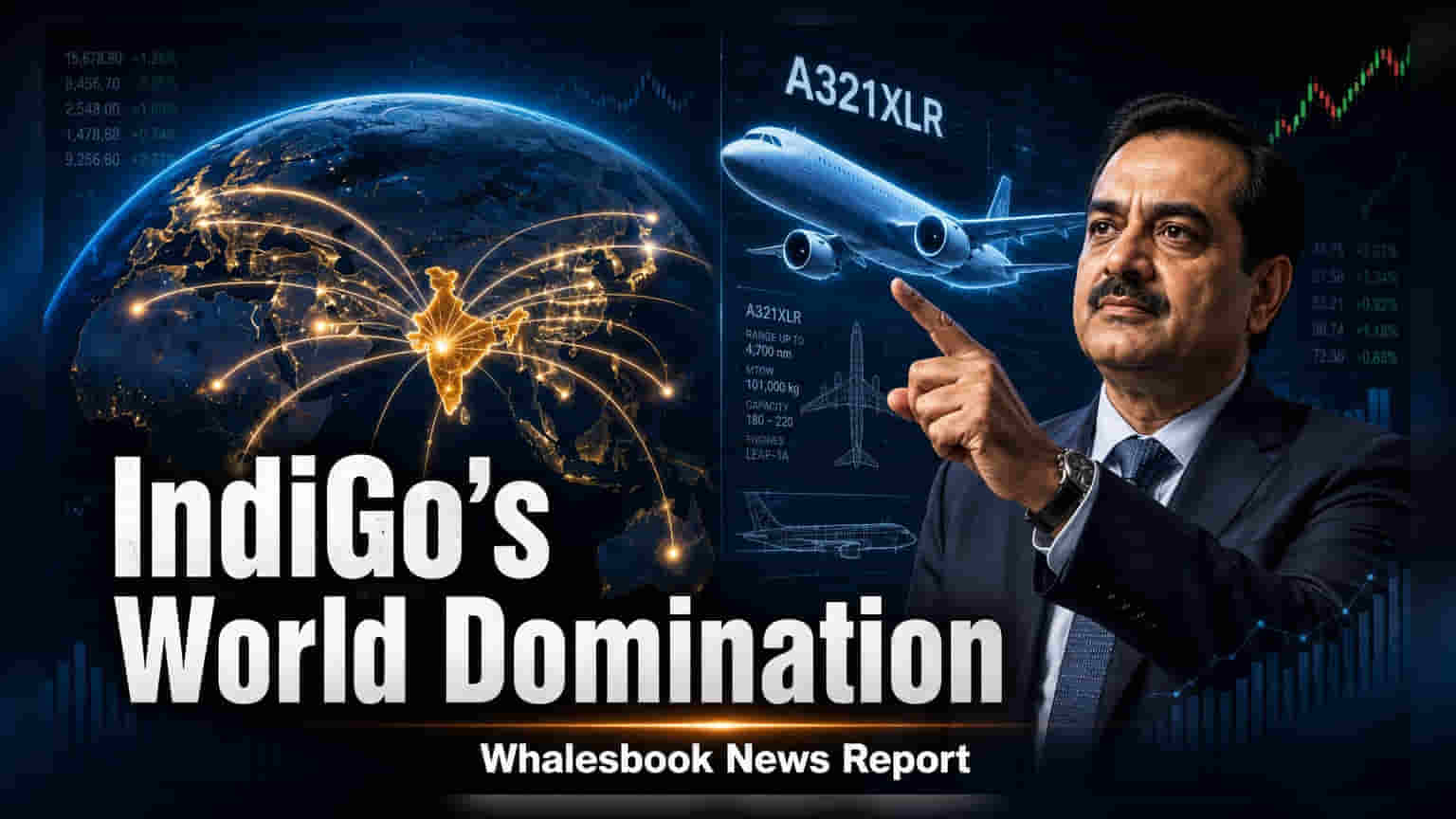
IndiGo is shifting focus to international expansion, launching long-haul flights to the UK and Europe. The airline aims to leverage India's growing economy while managing risks like volatile fuel prices and supply chain delays.
Detailed Coverage
IndiGo, India's largest domestic airline with over 60% market share, is moving into an ambitious phase of international growth. Following two decades of domestic expansion, the carrier is now prioritizing global connectivity, recently launching long-haul routes to the United Kingdom and Eastern Europe. This strategic shift is supported by the induction of new Airbus A321XLR aircraft, designed to handle longer flights more efficiently.
Strategic Shift to Premium Offerings
The airline is moving beyond its traditional low-cost carrier model by introducing premium options such as IndiGoStretch and UpFront seating. These offerings are part of a broader "6E Ways to Fly" framework, aimed at capturing a wider range of travelers. Simultaneously, the company is investing heavily in digital infrastructure and technology to improve the customer experience, a necessary step as it competes on longer international routes where passenger expectations often differ from short-haul domestic travel.
Infrastructure and Fleet Development
A critical part of this international strategy involves becoming a primary carrier at new aviation hubs, including the Navi Mumbai and Noida International Airports. By securing a leading presence at these upcoming facilities, IndiGo intends to solidify its role as a key player in India's aviation growth. This physical expansion is complemented by a massive commitment to fleet growth, with the company continuously receiving new aircraft to support both existing domestic dominance and new international ambitions.
Managing Operational and External Risks
While the expansion plan is aggressive, the airline faces several hurdles. In recent regulatory and management updates, the company noted that operational resilience remains a focus after experiencing disruptions late last year. Investors should be aware that the airline's financial performance is sensitive to volatile aviation turbine fuel (ATF) prices, which account for a large portion of operating expenses. Furthermore, geopolitical tensions and airspace restrictions can frequently disrupt international flight paths, forcing cost increases or schedule changes.
Supply chain issues also remain a common challenge for the global aviation sector, as manufacturers work through aircraft delivery backlogs. For IndiGo, the ability to maintain a reliable schedule while scaling up operations will be a key factor for shareholders. The company’s long-term profitability will likely depend on how effectively it balances these high capital requirements for expansion with the need to manage rising operational costs in a competitive global aviation environment.