 Whalesbook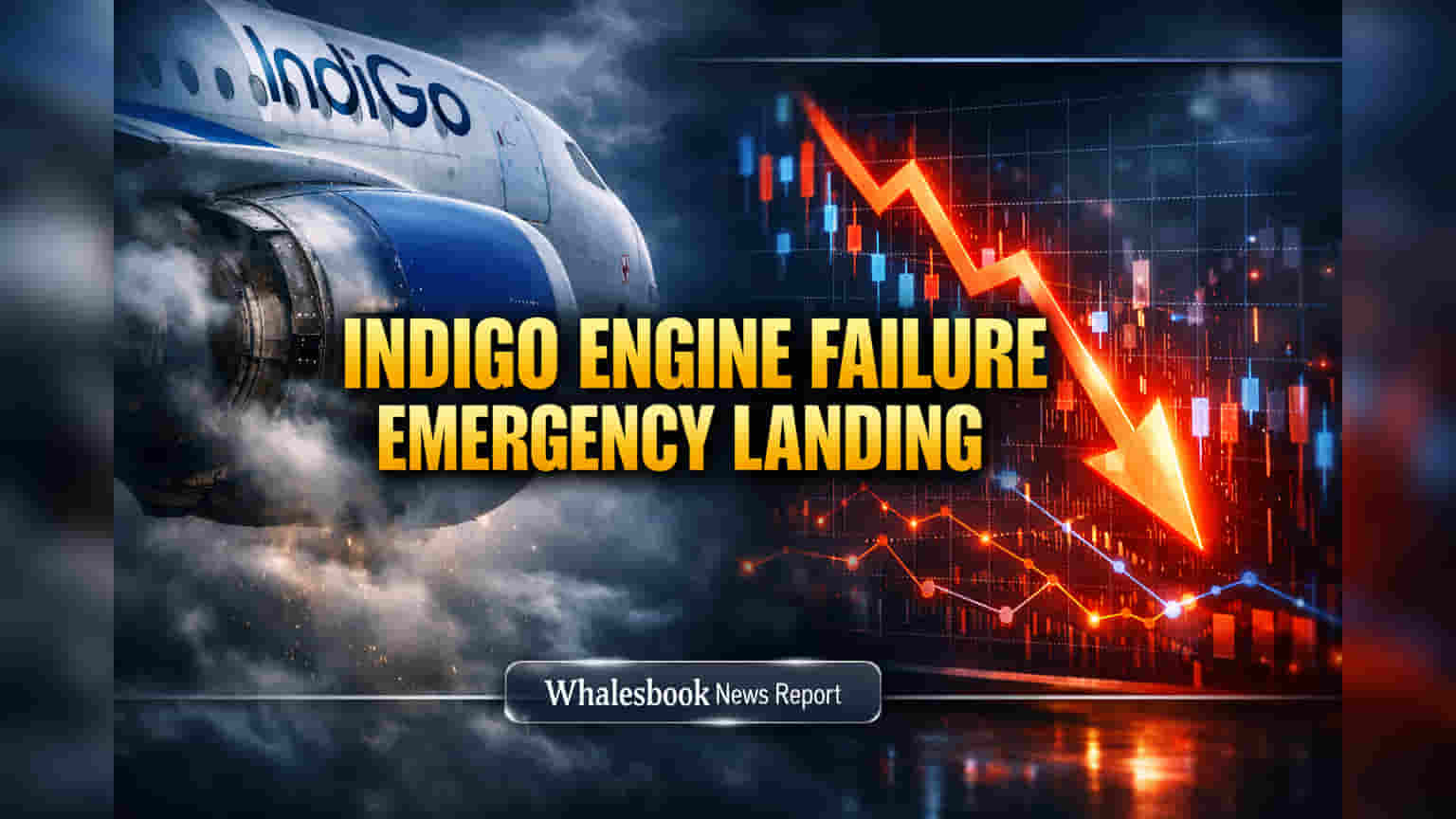
Engine Failure Forces Emergency Landing
IndiGo flight 6E 579, carrying approximately 170 individuals from Vizag to Delhi, made a safe emergency landing on Saturday morning after an engine failed. The aircraft, a Boeing 737 operating under a wet lease agreement with Turkey's Corendon Airlines, landed on a single engine at Indira Gandhi International Airport (IGIA). Airport authorities enacted standard emergency protocols, ensuring the safe disembarkation of all passengers and crew. The incident, though resolved safely, highlights the risks of aviation operations.
The Cost and Complexity of Leased Planes
IndiGo, India's largest carrier with about 60-62% market share, relies heavily on leased aircraft to manage its fleet size and meet demand. The plane involved, registered TC-COR, is a 15-year-old Boeing 737 wet-leased from Corendon Airlines. Wet leasing includes crew, maintenance, and insurance, but this can mean higher long-term operational costs than owning planes. Relying on a third-party lessor also complicates maintenance oversight and operational control. Corendon Airlines has faced its own operational issues, including rejected takeoffs on a 737 in 2022 and a tail-strike in 2016, raising questions about the quality of planes integrated into IndiGo's operations.
Fleet Defects and Stricter Oversight
This event raises questions about IndiGo's fleet management. Recent disclosures showed that 148 out of 405 IndiGo aircraft analyzed had repeated technical defects. This mirrors a wider industry trend, with India's aviation regulator (DGCA) flagging 377 aircraft across six airlines for similar issues. While IndiGo holds a strong safety rating of 6 out of 7 stars, frequent defects can point to underlying maintenance challenges and potentially higher operating expenses. The DGCA has increased its oversight, signaling tougher safety and maintenance standards for Indian carriers.
Market Worries and Rival Gains
Investors have reacted nervously to IndiGo's operational issues. The airline's stock has fallen sharply, dropping up to 21% from its 52-week high due to widespread flight cancellations and disruptions, largely caused by new DGCA rules on flight duty limits. While revenue is still strong, operational chaos led to financial losses for the quarter ending September 2025. Analysts are split: some keep 'buy' ratings but cut earnings targets, seeing temporary issues and strong demand. Others are cautious, issuing 'reduce' or 'sell' ratings due to cost pressures and lower profit forecasts. Meanwhile, rival airlines like SpiceJet and Akasa Air have attracted more investor interest during IndiGo's turbulence. IndiGo's P/E ratio, between 35.4 and over 50, suggests investors are now reassessing its premium valuation amid these operational strains.
Risks Tied to Leased Aircraft Strategy
The operational incident with a leased aircraft, alongside recurring defects in IndiGo's own fleet, highlights vulnerabilities. The airline's strategy of heavily using leased aircraft, especially older models, means more maintenance work and greater vulnerability to issues with third-party providers. While leasing offers flexibility, it can hide fleet health problems and reduce direct control over maintenance standards. The widespread defect data across the industry, with IndiGo and Air India showing the highest numbers, suggests a wider challenge in managing fleet age and maintenance as India's aviation sector grows rapidly. Combined with strict regulatory oversight and high operating costs in India's aviation market, this puts significant pressure on IndiGo's profits and its ability to stay dominant without unexpected cost increases or safety issues from its leased planes. The airline's debt-to-equity ratio of 2,271.57 and interest coverage of 1.99 also indicate high financial leverage.
Outlook Amid Growth and Challenges
Despite immediate challenges, the Indian aviation market is expected to grow significantly, potentially reaching $28.96 billion by 2031. India is updating its aircraft leasing rules to match international standards like the Cape Town Convention, which could lower leasing costs. However, IndiGo's success will depend on navigating its current operational crisis, managing leased fleet costs, and addressing maintenance concerns. Analysts expect some stabilization by February 2026, but the near future relies on operational recovery and cost management.