 Whalesbook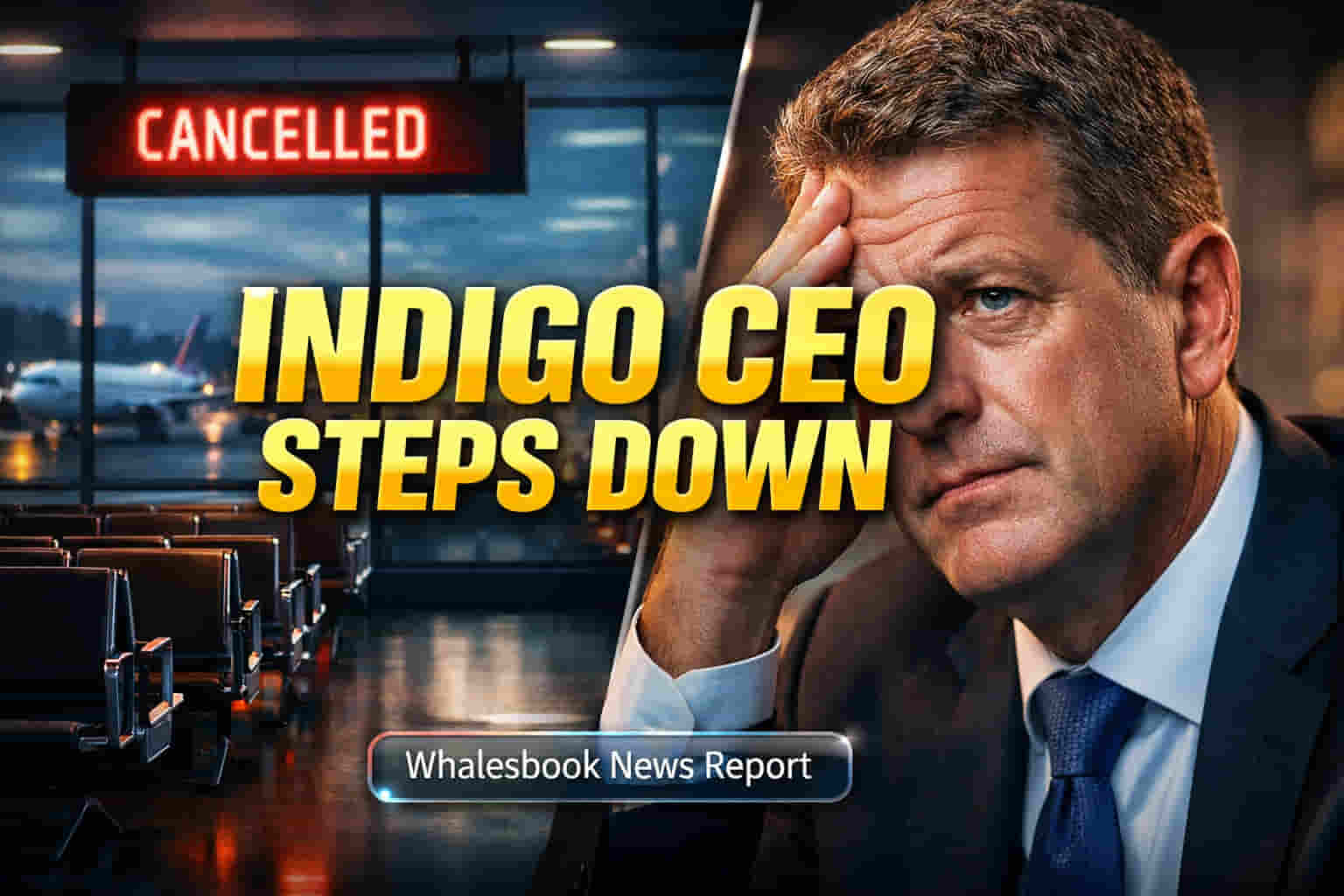


CEO Exits Amid Operational Crisis
Pieter Elbers has stepped down as CEO of IndiGo, the airline’s global expansion guide. His exit follows a major operational crisis in December 2025. The airline failed to properly plan for new, stricter pilot rest regulations from the Directorate General of Civil Aviation (DGCA). This led to thousands of flight cancellations and left many passengers stranded. The situation prompted government intervention and close examination of IndiGo's operations. Rahul Bhatia, a promoter, will serve as interim CEO while the company searches for a permanent replacement. The DGCA provided IndiGo with a temporary exemption from full compliance with phase II Flight Duty Time Limitation (FTDL) rules until February 10, 2026, acknowledging the disruption.
Pilot Rest Rules Trigger Crisis
IndiGo's failure to prepare for updated DGCA rules on pilot rest times was the direct trigger for the disruption. These rules raised mandatory weekly rest from 36 to 48 hours and significantly limited night landings for pilots. The planning lapse caused flight schedule disruptions, leading to a sharp drop in IndiGo's stock. Shares fell up to 8% on March 9, 2026, hitting an 11-month low of ₹4,293 on March 4, 2026, as investors reacted to the operational issues. Earlier, in mid-December 2025, the stock had already dropped about 18% in 15 days due to widespread cancellations. At the same time, Middle East tensions have pushed crude oil prices higher. Aviation Turbine Fuel (ATF), which makes up nearly 40% of an airline’s operating costs, is becoming more expensive, putting pressure on the whole sector. Air India Group responded by announcing new fuel surcharges starting March 12, 2026, indicating rising costs for airlines.
Broader Industry Pressures Mount
IndiGo's operational issues occurred even with its leading ~64% domestic market share and strong finances, including ₹36,945 crore in cash reserves as of December 31, 2025. Rating agency Crisil kept IndiGo's 'AA-/Positive' credit rating, citing its operational recovery and strong liquidity. However, the Indian aviation sector as a whole faces difficulties. The sector is expected to lose ₹170-180 billion in FY2025-26, though profits might improve in FY2026-27. Rivals are also struggling. Air India Group reported a ₹10,859 crore net loss for FY25 and expects more losses in FY26. SpiceJet is facing financial trouble, with significant losses and negative P/E ratios in its recent quarterly results. Meanwhile, Akasa Air is expanding rapidly, ordering new aircraft and planning international routes. Historically, IndiGo's stock has reacted to fuel price increases, falling 7.5% on March 2, 2026, when oil prices were rising.
Costs Squeeze Margins for Airlines
IndiGo's valuation appears high despite its market leadership and strong credit ratings. In early March 2026, its Price-to-Earnings (P/E) ratio was about 53x, much higher than its usual average. This suggests IndiGo could be vulnerable if rising fuel costs hurt its profits. Analysts estimate that a $5 increase in Brent crude prices could lower Earnings Per Share by roughly 13%. The recent operational problems and regulatory attention reveal a significant risk: Indian airlines operate on very thin margins, leaving little room for mistakes when following complex rules or handling rising costs. Although IndiGo is seen as operationally strong, analysts like JPMorgan have lowered their FY26 and FY27 EPS estimates by 13% and 14%. They cited ongoing pressure from fuel and other costs, plus a weakening rupee. IndiGo's own Q3FY26 results showed net profit dropped 77% year-on-year, largely due to costs linked to labor regulations and operational problems.
Outlook Mixed as Challenges Persist
Analysts have mixed, but mostly positive, views on IndiGo's future. In early March 2026, 22 out of 27 analysts recommended buying the stock, with an average price target of ₹6,065. However, some firms rated it a 'Sell'. Recent reports suggest a cautious stance, forecasting challenges from fuel costs and slower growth in domestic and international travel. IndiGo's long-term appeal remains, supported by industry growth and its efficient operations. However, short-term results will depend on oil prices, meeting regulatory requirements, and managing costs in a competitive and unpredictable market.