

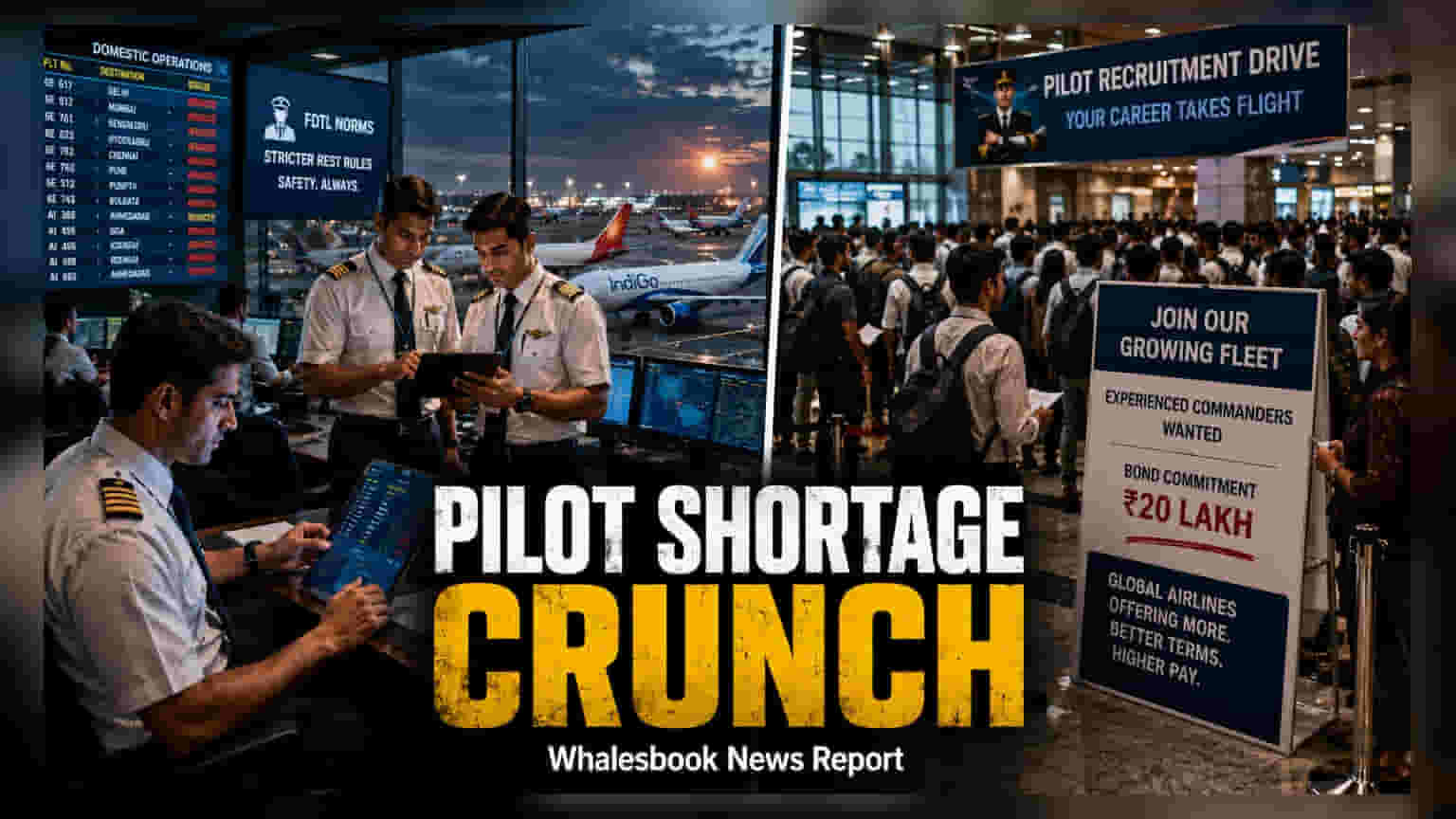
India’s two largest airlines are scaling back flights as a critical pilot shortage disrupts operations. Stricter pilot rest rules and intense competition for experienced commanders have forced capacity cuts of up to 15% for some carriers this summer. Investors are closely watching how these hiring struggles impact profitability and upcoming international expansion plans in a tough cost environment.
India's domestic aviation sector is facing a severe operational bottleneck as the industry's two largest players, IndiGo and Air India, struggle to staff their expanding fleets. Both airlines have been forced to trim their domestic flight schedules—ranging from 5% to 15%—during the summer of 2026 to manage the ongoing shortage of flight crew.
Impact of New Rest Rules
The core of the problem lies in the updated Flight Duty Time Limitation (FDTL) norms introduced by the Directorate General of Civil Aviation (DGCA). These regulations mandate stricter rest periods for pilots to ensure safety and combat fatigue. While these measures are essential for flight operations, they have effectively stripped away the thin operational buffers that previously allowed airlines to maintain high flight frequencies with their existing workforce. Because of the new rules, airlines now require a significantly larger pool of pilots to run the same number of flights, a requirement that has proven difficult to meet.
The Battle for Experienced Commanders
Recruitment has become a high-stakes battleground. Despite aggressive hiring drives, both major carriers are finding it difficult to attract and retain seasoned commanders. A significant hurdle remains the industry practice of long-term bond commitments, which can reach ₹20 lakh. These financial bonds restrict pilot mobility and discourage candidates from joining, especially when international carriers in the Middle East continue to offer more competitive salary packages and flexible terms. The difficulty is so acute that even with recruitment roadshows, turnout in some regions has been lower than expected.
Financial and Market Pressures
The operational strain is clearly visible in the financial performance of the sector. IndiGo reported a net loss for FY26, as the company faced headwinds from multiple directions. The pressure on profit margins has been driven by high Aviation Turbine Fuel (ATF) costs, a weaker rupee increasing dollar-denominated expenses, and the need for significant labor-related provisions. With IndiGo and Air India holding over 90% of the domestic market share, these companies do not have the luxury of easily offloading higher costs to passengers in a price-sensitive market.
Regulatory Compliance Risks
Beyond operational efficiency, the airlines are under pressure to maintain high safety compliance. The DGCA is currently preparing for a pivotal safety audit by the U.S. Federal Aviation Administration (FAA). A potential downgrade in safety ratings could freeze international route expansions and impact critical code-share agreements, which are essential components of the growth strategies for both carriers. Air India has attempted to address the deficit by relaxing historical hiring policies and introducing a new seniority framework, but the effectiveness of these measures in securing enough qualified personnel in the short term remains a concern.
For investors and market participants, the next few quarters will be critical. Key monitorables include the airlines' ability to successfully ramp up pilot training and recruitment, the potential restoration of flight capacity, and the outcome of the upcoming FAA safety audit. Any failure to resolve these staffing bottlenecks could continue to weigh on the ability of these airlines to capture travel demand and improve financial returns.