 Whalesbook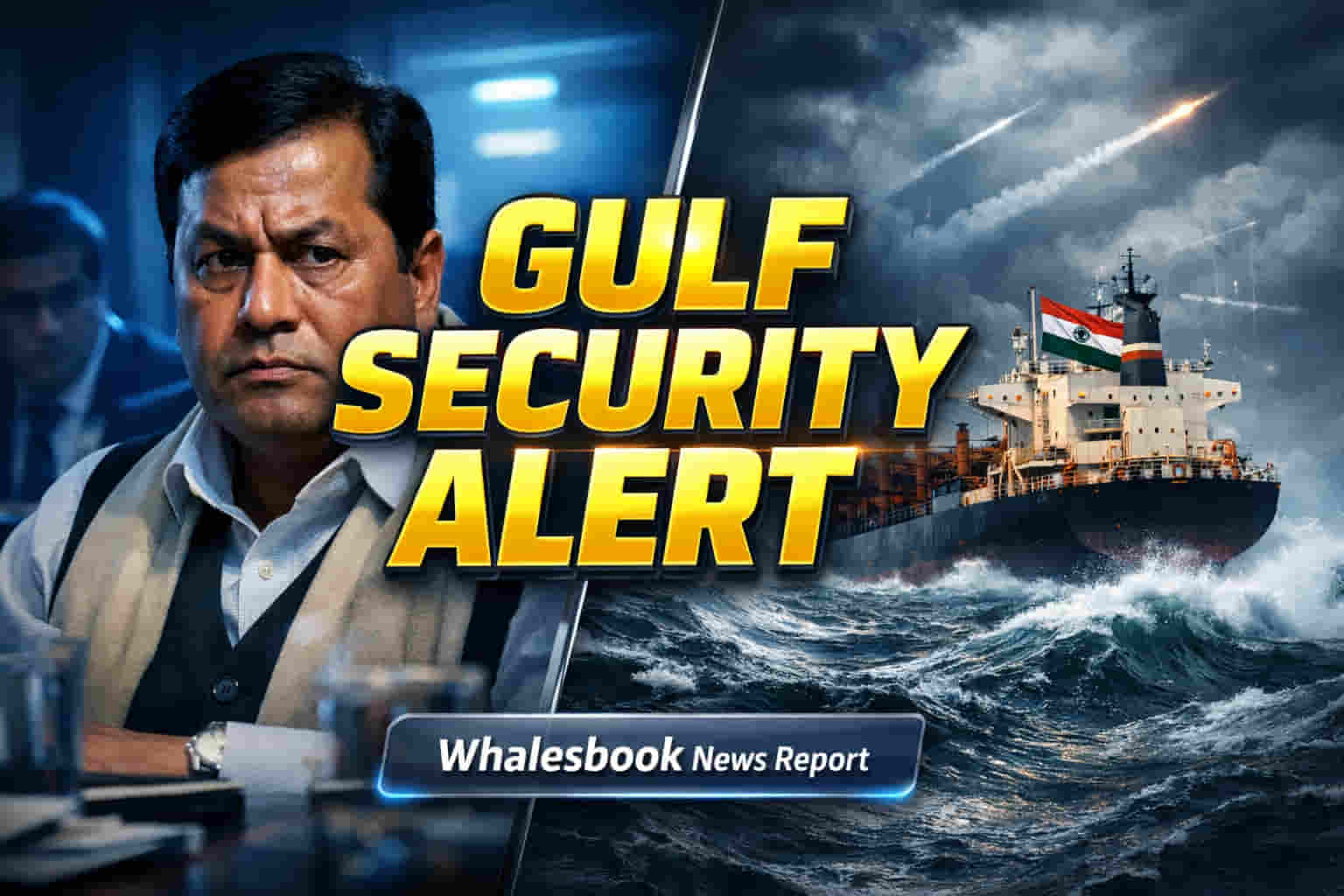
The Dual Front of Geopolitical Risk
Escalating geopolitical tensions in the Persian Gulf have prompted India's Ministry of Ports, Shipping and Waterways (MoPSW) to implement stringent security enhancements for Indian-flagged vessels and seafarers. This proactive stance comes amidst a backdrop of significant global trade route volatility and recent tragic incidents involving Indian seafarers, yet it coincides with a dramatic surge in global shipping rates, particularly for oil and gas tankers. This dynamic presents a complex scenario for the Indian maritime sector, balancing increased operational hazards with potentially lucrative market conditions.
Security Measures Amidst Conflict
The Ministry, through the Directorate General of Shipping (DGS), is actively monitoring the evolving security situation across the Persian Gulf, Strait of Hormuz, and Gulf of Oman. Measures include enhanced surveillance, real-time vessel tracking, mandatory reporting protocols, and 24x7 monitoring via the MMDAC DGComm Centre. Coordination is underway with the Indian Navy, Ministry of External Affairs, and international maritime agencies. This heightened vigilance follows reports of missile and drone activity, electronic interference, and other security concerns, underscored by the recent deaths of three Indian seafarers and injuries to another in separate incidents linked to the Middle East conflict. Shipping companies have been advised to maintain vigilance, conduct thorough voyage-specific risk assessments, and ensure robust communication with crews and their families. A dedicated Quick Response Team and active helplines are in place to provide support.
Freight Rates Surge on Supply Chain Strain
The escalating conflict in the Middle East, particularly concerning the Strait of Hormuz, a critical chokepoint for approximately 20% of global oil trade, has sent tanker freight rates to their highest levels in six years. Rates for very large crude carriers (VLCCs) on the Middle East-China route have reached over $423,000 per day, more than doubling in recent days. This spike is driven by increased demand for Middle Eastern oil as buyers build inventories amidst supply disruption fears, coupled with rerouting and higher insurance premiums for vessels traversing conflict zones. Asian markets, including India, which relies heavily on Gulf crude imports (around 41% of its seaborne imports in 2025 from the Gulf), face increased vulnerability to supply volatility.
Indian Shipping Sector: Opportunities and Perils
Indian shipping companies, particularly tanker operators, stand to benefit from the surge in charter rates. Great Eastern Shipping Company Ltd., India's largest private sector shipping firm, with a market capitalization of approximately ₹19,000 crore and a P/E ratio around 8.4-8.5, saw its shares trade near ₹1,330 as of March 2, 2026. Shipping Corporation of India (SCI), a public sector undertaking with a market cap of around ₹12,000 crore and a P/E ratio of about 9.1-11.3, traded near ₹260. Analysts note that higher freight rates and charter earnings can significantly boost revenue and profitability for these companies, given the sector's operating leverage. However, the environment is fraught with risk. War-risk insurance premiums have surged, and rerouting vessels, such as around the Cape of Good Hope, can add 10-15 days to voyages, increasing operational costs and reducing vessel availability. Global shipping total losses have hit a record low, but geopolitical tensions are increasingly seen as a significant threat to the sector's outlook.
The Bear Case: Lingering Threats and Increased Costs
Despite the potential for higher revenues, the immediate operational environment is hazardous. The DGS has documented four incidents involving Indian seafarers in the region, resulting in three fatalities and one injury, all on foreign-flagged vessels. The risk of further attacks on commercial vessels, including missile and drone strikes, and electronic interference, remains high. While the Indian Navy and other agencies are coordinating closely, the inherent dangers of operating in conflict zones like the Strait of Hormuz necessitate costly security measures and heightened vigilance. The possibility of sanctions, vessel detentions, or broader regional conflicts could lead to prolonged disruptions and an unpredictable operating environment, impacting supply chain resilience and increasing overall costs beyond just insurance premiums. The sector's vulnerability to geopolitical shocks implies that any miscalculation or escalation could swiftly erode profitability gains.
Outlook: Navigating Uncertainty
Market sentiment remains cautiously optimistic for tanker operators benefiting from rate spikes, but the broader shipping sector faces continued uncertainty driven by geopolitical instability. Analysts caution that geopolitical risks are increasingly driving the shipping sector's outlook more than fundamental industry conditions. The ongoing conflict and its ripple effects on energy prices and trade routes will likely keep shipping stocks in focus. Investors will be closely watching the effectiveness of enhanced security measures and the global response to regional tensions as key determinants of future sector performance.