

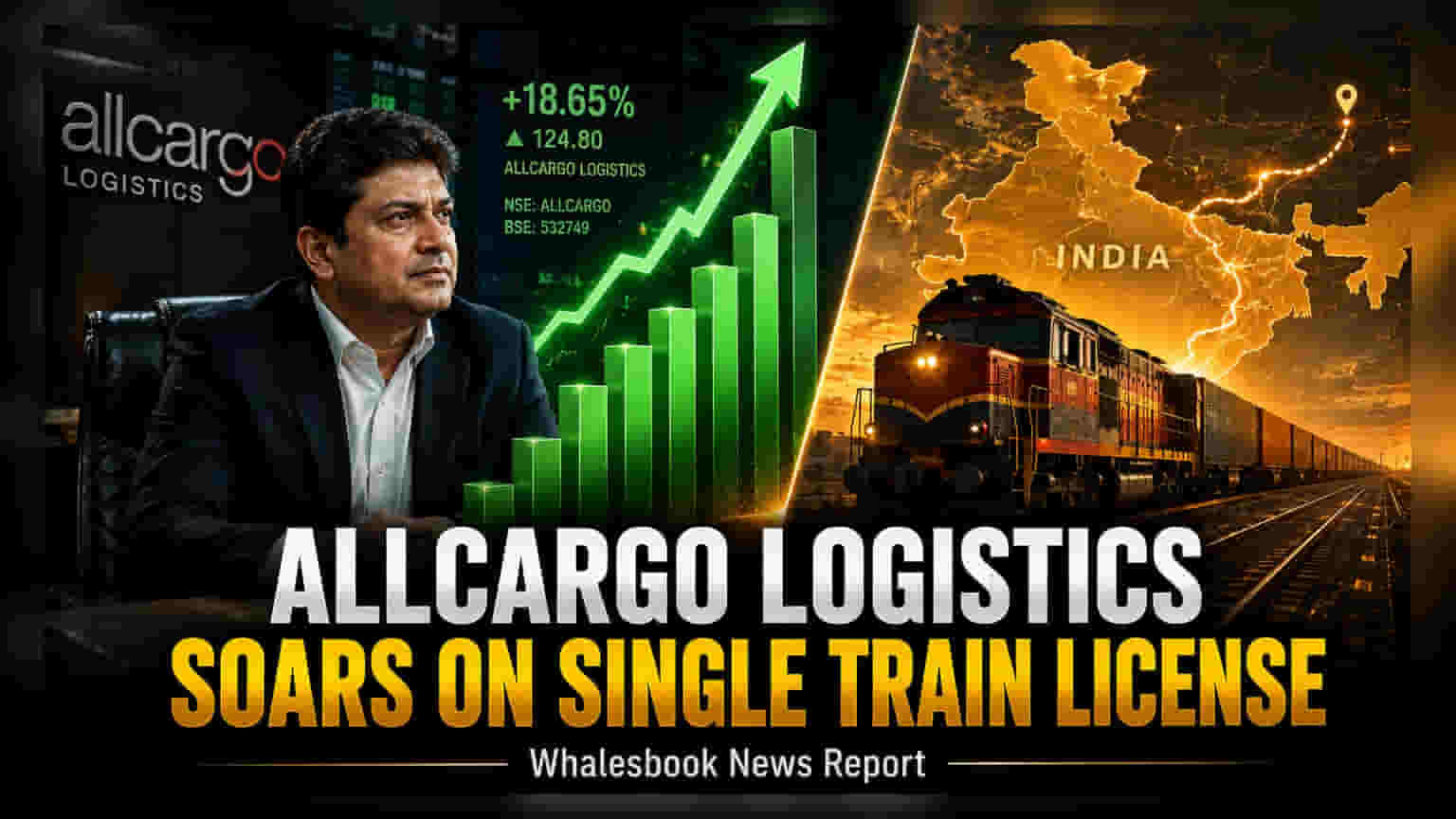
The Indian government has approved a new unified licensing policy for Container Train Operators, allowing them to operate across the entire rail network. This reform replaces restrictive, route-specific permits with a single, nationwide license. The move aims to simplify business operations and encourage private investment, though investors should watch for potential impacts on market competition and capital requirements.
The Ministry of Railways has approved a unified, all-India licensing framework for Container Train Operators (CTOs). This policy update aims to remove operational barriers in the rail freight sector by replacing the older, rigid system of route-specific licenses with a single, nationwide permit. The change is intended to make the movement of goods via rail more efficient and seamless across the Indian Railways network.
Previously, logistics companies faced a complex and time-consuming process where they had to obtain and manage multiple licenses for different rail routes. Under the new rules, an operator holding a single permit can run container trains on any route across the country. This shift is designed to improve asset utilization, as operators will no longer be confined to specific, pre-approved corridors.
The policy introduces a standardized, non-refundable registration fee of ₹25 crore for those looking to start nationwide operations. Additionally, the government has provided long-term relief to existing operators by allowing them to extend their concession agreements by 20 years without having to pay any extra renewal or extension fees. This provision is meant to give private players greater confidence to invest in rolling stock, containers, and terminal infrastructure, knowing they have a longer runway for their business.
For logistics companies that operate in the container train segment, this move is a significant step toward a more standardized regulatory environment. Simplified licensing typically lowers compliance costs and speeds up operational planning. However, while the policy reduces regulatory hurdles, the long-term impact on profitability will depend on several factors, including the company's ability to manage capital expenditure, which remains high in the rail freight industry.
Investors should also consider the competitive dynamics that could follow this reform. By creating a unified license, the government is lowering the barrier to entry for the rail freight market. While this benefits existing players by giving them more freedom, it could also attract new competition into the sector. The ultimate success of this policy will depend on the effective implementation of the framework and how well companies can scale their operations to cover a wider national network.
The next important monitorable for stakeholders will be the release of the official gazette notification, which will provide the specific implementation timeline and operational details. Investors may also look for company-specific commentary on how they plan to utilize this nationwide permit to optimize their freight logistics and improve margins in the coming quarters.