 Whalesbook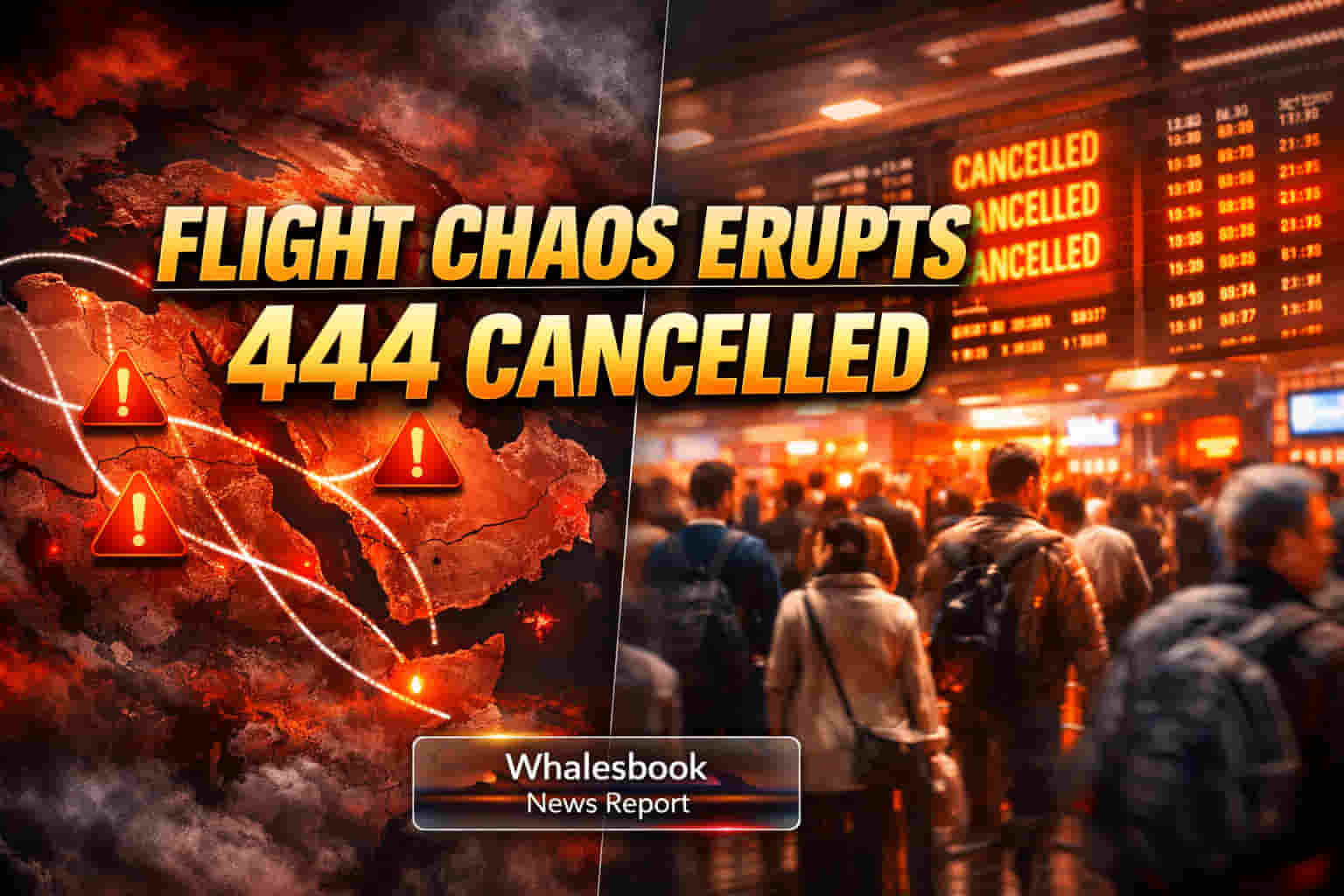


THE SEAMLESS LINK
The cascading effects of escalating geopolitical tensions in the Middle East are imposing a substantial "geopolitical risk premium" on the Indian aviation sector. Beyond the immediate flight cancellations and passenger inconveniences, the conflict is magnifying inherent industry vulnerabilities, particularly the sensitivity to fuel costs and currency fluctuations, while simultaneously reshaping competitive dynamics on global routes.
The Core Catalyst: Rerouting Drives Operational Costs
As airspace restrictions proliferate across Iran and the Middle East following coordinated strikes, Indian carriers, notably IndiGo and Air India, have been compelled to cancel numerous international flights and reroute others. For IndiGo, India's largest passenger airline, these disruptions translate directly into increased operational expenditures. Extended flight paths necessitate greater fuel consumption—a cost component that typically accounts for 30-40% of an airline's operating expenses. Jet fuel prices are inherently volatile and directly influenced by Middle East instability, further straining airline budgets. The market capitalization of InterGlobe Aviation, the parent company of IndiGo, stands at approximately ₹1.86 lakh crore, with its stock trading around ₹4,827.20 on February 28, 2026. However, the current Price-to-Earnings (P/E) ratio ranges from 42.4 to nearly 60, with some analysts noting it appears overvalued given these mounting operational pressures.
The Analytical Deep Dive: Competitive Shifts & Macro Headwinds
The current geopolitical scenario is creating distinct competitive advantages. While many Western airlines face complex rerouting challenges, carriers from China, India, and Arab nations may continue to utilize alternative airspaces, such as Russian airspace, potentially offering them a cost and time advantage on lucrative long-haul routes. Major Middle Eastern carriers like Emirates and Qatar Airways have also suspended or rerouted flights, mirroring the disruptions faced by Indian airlines, but their extensive global networks may offer greater resilience.
Beyond the immediate conflict, broader macro trends exacerbate the situation. The Indian aviation industry is highly sensitive to fuel price volatility and the depreciation of the Indian Rupee against the US Dollar, which inflates dollar-denominated costs like aircraft leases and maintenance. Past geopolitical flare-ups in the Middle East have historically led to sharp declines in aviation stock prices due to these cost pressures. The current situation intensifies these risks, with crude oil prices directly impacting airline profitability.
⚠️ THE FORENSIC BEAR CASE
The persistent increase in operational costs due to geopolitical instability and rerouting poses a significant risk to the already thin margins of Indian airlines. The reliance on extended flight paths and volatile fuel prices directly impacts profitability, particularly for carriers like IndiGo and SpiceJet. The current PE ratio for IndiGo, hovering around 59.5, suggests investors are pricing in significant growth, which could be undermined by sustained geopolitical headwinds and rising operating expenses. Unlike some global competitors who may benefit from alternative routes not impacted by current closures, Indian airlines are directly caught in the crossfire of regional instability. Furthermore, global supply chain issues and aircraft delivery delays continue to impact fleet availability, forcing airlines to rely on older, less fuel-efficient aircraft, thus increasing maintenance and fuel expenses. The Ministry of Civil Aviation's directives for continuous monitoring and coordination are critical, but they do not negate the fundamental economic pressures intensified by these events.
The Future Outlook
Despite the challenges, the Indian aviation sector is projected to see a reduction in net losses in the coming fiscal year, driven by domestic passenger traffic growth. However, analysts caution that ongoing geopolitical and operational headwinds warrant close monitoring, with many maintaining a 'Stable' outlook for the industry while acknowledging the risks. While 83.33% of analyst ratings for IndiGo are 'Buy', the assessment of overvaluation suggests potential downside if these geopolitical risks fully materialize into sustained cost increases and demand erosion. The industry's ability to navigate this volatile period will depend on effective cost management, strategic route planning, and any de-escalation of regional tensions.