

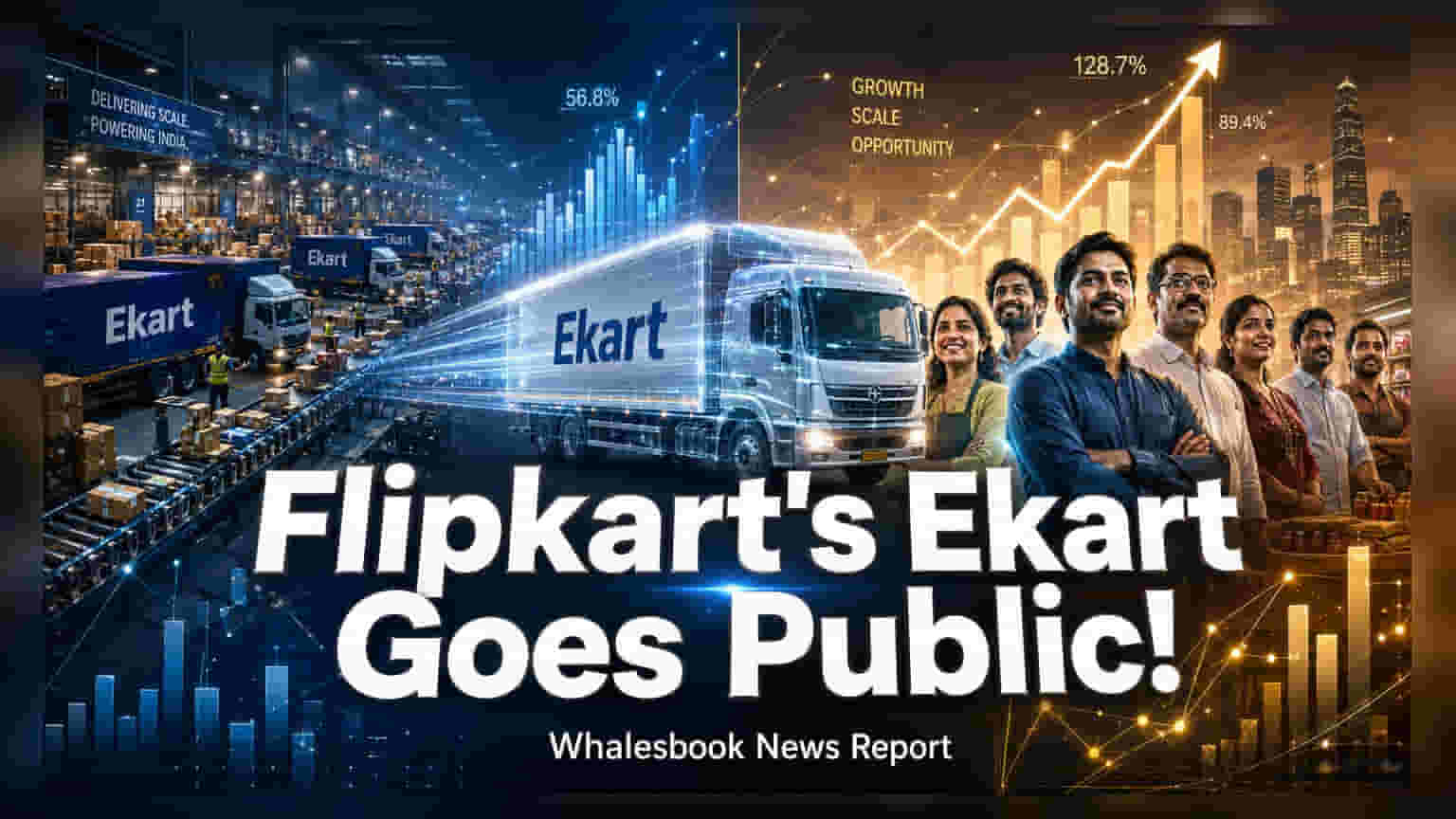
Flipkart’s logistics arm, Ekart, is now offering its nationwide delivery and warehousing network to external businesses, including MSMEs and D2C brands. This strategy aims to help smaller companies scale by providing access to over 1 million square feet of fulfillment space and AI-driven supply chain technology. The move marks a shift toward monetizing its existing infrastructure to compete more directly in the broader logistics and warehousing sector.
Detailed Coverage
Ekart, the supply chain division of the Flipkart Group, has officially opened its logistics infrastructure to third-party businesses. This move allows external companies, specifically MSMEs, D2C brands, and FMCG players, to tap into the same delivery network and fulfillment systems that support Flipkart’s e-commerce operations. By doing so, Ekart is transitioning from an internal support unit to a revenue-generating logistics provider.
Strategic Expansion Through Franchising
The company is scaling its reach through a franchise model, which currently includes over 300 outlets in major hubs like Mumbai, Delhi, Bengaluru, and Surat. Ekart has set an aggressive target to expand this franchise network to more than 1,000 outlets by the end of 2026. This approach allows Ekart to increase its last-mile delivery footprint while reducing the direct capital expenditure typically required to set up company-owned delivery centers.
Beyond delivery, external brands can now access over 1 million square feet of Grade-A warehousing space. Ekart is also expanding capacity in critical metropolitan areas, including Hyderabad, Kolkata, and the Delhi-NCR region, to help brands place inventory closer to end consumers. This strategy is intended to shorten delivery timelines and improve efficiency for client businesses.
Technology and Service Offerings
Ekart is offering client businesses access to its proprietary technology stack, which includes AI-powered tools for demand forecasting and address resolution. These digital solutions are designed to help smaller brands manage inventory placement and reduce shipping errors, tasks that can be costly and technically challenging for businesses without their own logistics infrastructure. Founded in 2009, Ekart already operates a massive scale, with a fleet of over 14,000 trucks and coverage extending to more than 15,000 pincodes across India.
Market Impact and Monitorables
This expansion puts Ekart in direct competition with established third-party logistics providers and specialized warehousing firms. By leveraging its existing network, Ekart aims to improve its asset utilization. However, the success of this model will depend on the company's ability to maintain service quality for external clients while managing the operations of its core e-commerce business.
Investors and industry observers will likely monitor the adoption rate among D2C brands and how the franchise model impacts the company’s operating margins over time. The primary trackable milestones include the progress of the 1,000-outlet target by 2026, the uptake of warehousing services by non-Flipkart brands, and the competitive pricing strategy the company employs to attract external business against established logistics incumbents.