 Whalesbook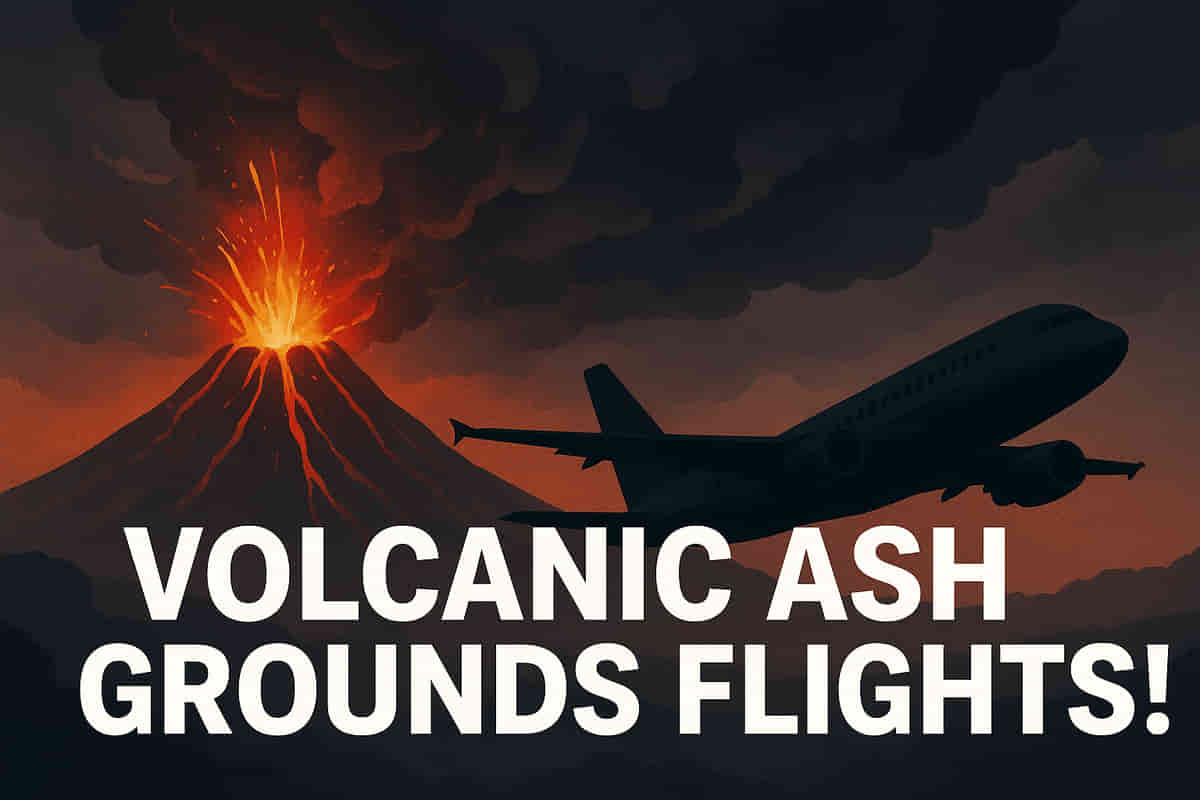


The Hauli Gubbi volcano in Ethiopia, dormant for over 12,000 years, erupted on November 23, releasing substantial ash plumes that are impacting air travel. These ash clouds are travelling across the Red Sea and towards West Asian destinations, including Dubai, Jeddah, Kuwait, and Abu Dhabi, and are also reported to be drifting towards western India.
Indian airlines have felt the immediate impact. Akasa Air cancelled flights to Jeddah, Kuwait, and Abu Dhabi for November 24 and 25, offering passengers refunds or rebooking. IndiGo experienced delays ranging from 60 to 120 minutes on its flights, while SpiceJet advised passengers travelling to Dubai to monitor their flight status due to potential impacts.
The Directorate General of Civil Aviation (DGCA) has stepped in, issuing an advisory to all airlines to avoid ash-affected flying zones and altitudes. Airports have also been instructed to conduct inspections of their runways for contamination and to halt operations if necessary.
Impact
This event significantly impacts the aviation sector, leading to operational disruptions, potential financial losses for airlines due to cancellations and delays, and inconvenience for passengers. The primary concern is the safety risk posed by volcanic ash to aircraft engines, which can cause severe damage or failure.
Impact Rating: 7/10 for the aviation sector and passenger experience.
Terms Explained
- Volcanic Ash: Fine particles of rock and glass expelled from a volcano during an eruption.
- Ash Plume/Clouds: A column of volcanic ash, gas, and rock that rises into the atmosphere after an eruption.
- Dormant: A volcano that is not currently active but is expected to erupt again in the future.
- Ash-Affected Flying Zones: Specific areas of airspace identified as containing volcanic ash, which are hazardous for aircraft to traverse.
- Runways: The paved paths at airports used by aircraft for takeoff and landing.
- Contamination: The presence of unwanted or harmful substances, such as volcanic ash, on surfaces.
- Engines: The mechanical components that provide thrust to propel an aircraft forward.
- Turbine Blades: Small, fan-like components within an aircraft engine that are crucial for its operation.
- Volcanic Ash Failure: The risk of an aircraft engine malfunctioning or failing completely due to exposure to high concentrations of volcanic ash.