

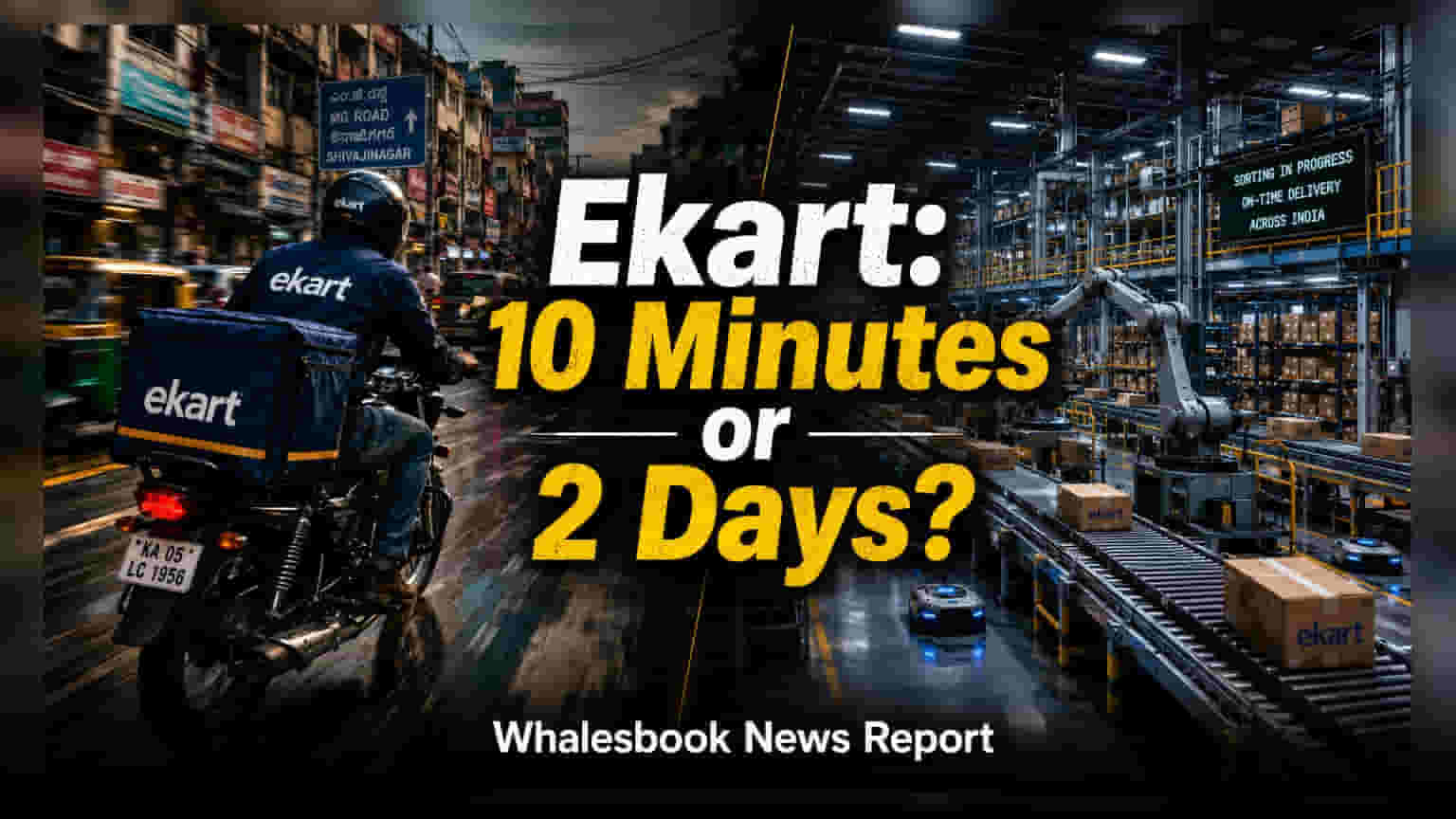
Flipkart's logistics arm, Ekart, is integrating its fulfillment network to support the rapid delivery of groceries and perishables via Flipkart Minutes. By using existing infrastructure to reach 130 cities, the company aims to optimize costs while scaling specialized quick-commerce services. Investors should track how this dual-delivery model impacts operational efficiency and profit margins in a competitive market.
Ekart, the logistics division powering Flipkart and Myntra, is pivoting its infrastructure to support the competitive quick-commerce segment. The company is now integrating its established fulfillment centers with a new network of over 1,000 dark stores across 130 cities to facilitate 10-minute deliveries under the Flipkart Minutes brand. This move marks a strategic shift for the logistics provider, as it expands beyond traditional e-commerce parcels into fresh produce and perishable goods, which require a more complex cold-chain supply network.
Leveraging Infrastructure for Efficiency
Rather than building a completely separate network, Ekart is repurposing its existing fulfillment capabilities. Hemant Badri, Senior Vice-President at Flipkart Group, noted that the company’s current reach allows for rapid scaling of these services. Ekart has focused on creating an integrated supply chain where fulfillment centers act as feeders for the smaller, hyper-local dark stores. This model is designed to optimize transportation and last-mile delivery costs across all service offerings, including Flipkart’s flagship e-commerce business and the Myntra fashion platform.
To improve cost-efficiency, Ekart has significantly increased automation within its main centers. According to the company, automation levels have reached 60-70% and are targeted to hit 80-90% over the next year. This focus on technology has reportedly helped reduce unit costs by approximately 40% and contributed to narrowing losses for the fiscal year 2025. By sharing resources between traditional and quick-commerce deliveries, the company intends to maintain capital efficiency while entering smaller tier-III and tier-IV cities.
Operational Challenges and Market Dynamics
While the integrated strategy offers advantages in cost, the move into quick commerce brings distinct execution risks. Industry analysts point out that success in this segment depends heavily on store density and high order volumes within a very small geographic radius. Managing resource allocation between traditional parcel deliveries and the high-speed requirements of quick commerce could create pressure during peak periods, such as festive season sales. Furthermore, moving into tier-III and tier-IV towns introduces challenges related to infrastructure readiness and last-mile connectivity in less dense areas.
Ekart faces intense competition from established quick-commerce players who have already optimized their dark-store networks in major metropolitan hubs. The company’s ability to sustain 10-minute delivery promises while maintaining its standard 2-day delivery commitments will depend on its ability to manage inventory effectively at the dark-store level. Investors will likely monitor future updates regarding the profitability of the Flipkart Minutes model, the actual utilization rates of these dark stores, and whether the automation drive continues to offset the rising operational costs associated with rapid delivery services.