

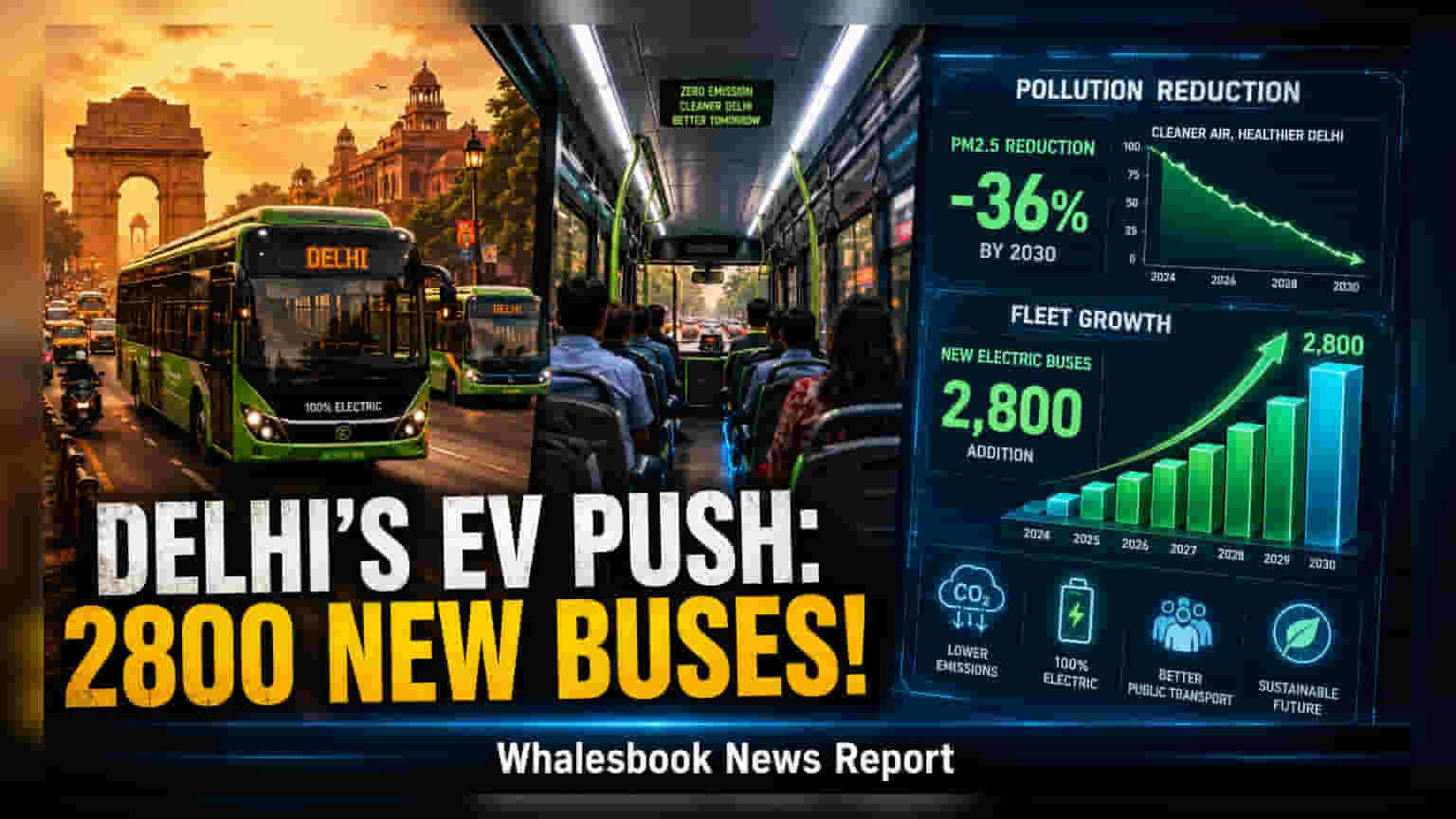
Delhi will deploy 2,800 new air-conditioned electric buses next year under the first phase of the government's PM E-Drive scheme. The move is part of a larger plan to expand the city's public transport fleet to 14,000 buses by 2028-29, aiming to reduce pollution and reliance on fossil fuels.
The Delhi government is preparing to significantly upgrade its public bus network with the introduction of 2,800 air-conditioned, low-floor electric buses. These vehicles are scheduled to enter service in the national capital starting next year as part of the initial phase of the central government’s PM E-Drive scheme. This deployment is a strategic effort to enhance public transportation infrastructure while addressing the city's ongoing air quality challenges.
Strategic Expansion and Fleet Targets
This rollout serves as a foundation for a broader, multi-year strategy to modernize and grow the capital's public transport capacity. By the end of the 2028-29 fiscal year, the government aims to increase the total fleet size to approximately 14,000 buses. The transition to electric power is intended to align local transport goals with national directives to lower fuel import costs and promote cleaner energy adoption in the public sector.
Impact on Infrastructure and Commuter Services
Beyond the environmental benefits, the expansion is focused on improving accessibility for daily commuters. The government has recently been testing new routes, such as the Route 753 Extension, to better connect residential hubs with major transit points like railway stations. Investors should monitor how the integration of these 2,800 units affects operational costs and efficiency, as the success of such large-scale transitions often depends on the development of charging infrastructure, grid stability, and the ability of transport corporations to manage the increased electricity demand.
Financial and Operational Considerations
While the project represents a significant step in urban transit, the long-term benefit for the city's transport corporations will depend on effective implementation, maintenance costs, and the availability of consistent government subsidies under the PM E-Drive program. Investors in the automotive and energy sectors may track the pace of these deliveries and the tender processes for future bus procurement, as these represent major contracts for domestic electric vehicle manufacturers and component suppliers. The central focus for stakeholders will remain the project’s execution timeline and the ability to maintain these buses effectively in Delhi's varying climate conditions.