 Whalesbook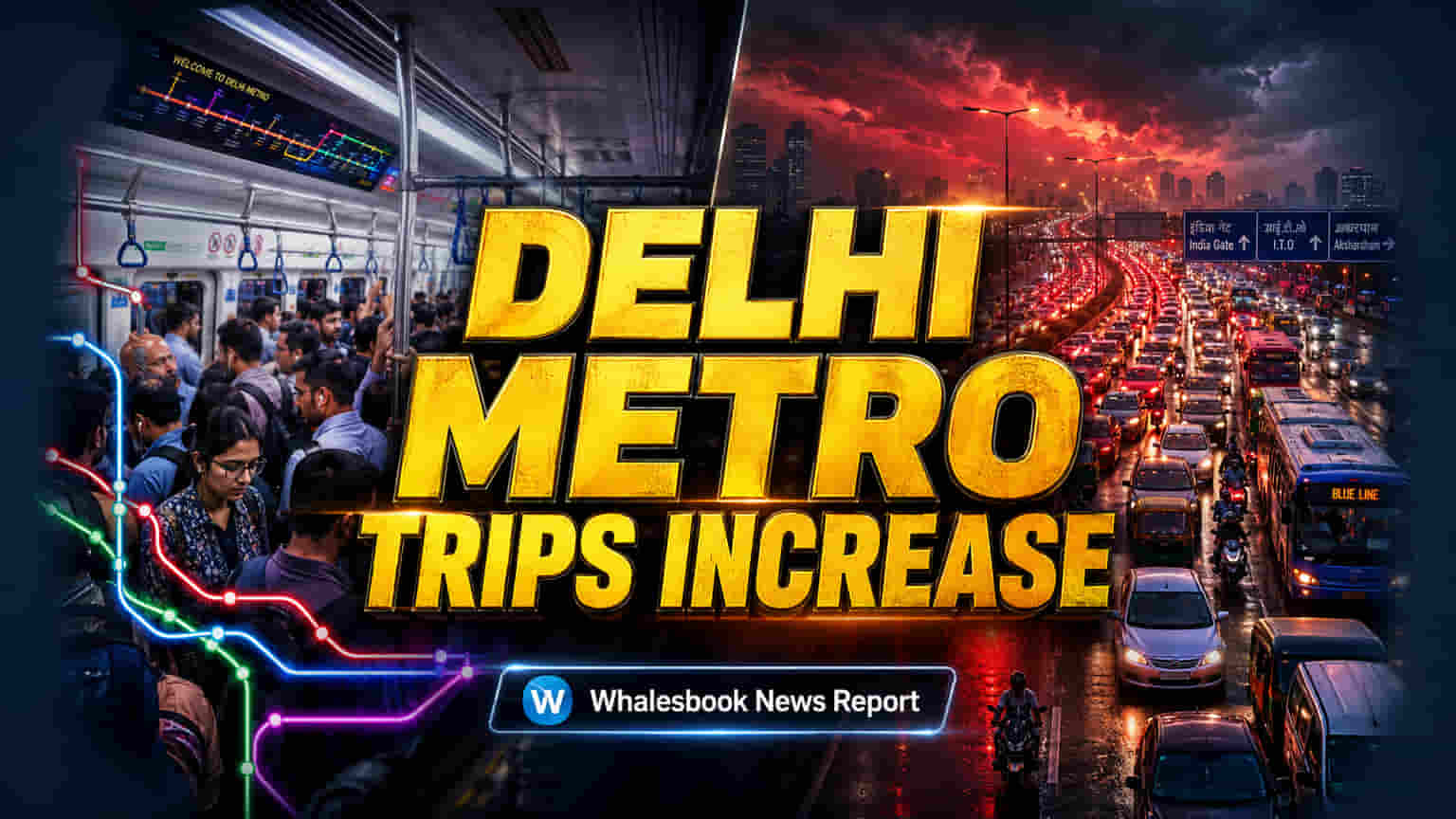


DMRC Boosts Service and Capacity
The Delhi Metro Rail Corporation (DMRC) is enhancing passenger convenience and capacity with a series of new measures. Starting May 18, 2026, 24 extra train trips will run every Monday. Six additional trains will help manage expected passenger numbers and keep services running smoothly. Alongside the increased frequency, DMRC is also improving security, expanding ticket options, and enhancing last-mile connections. These steps reinforce DMRC's role as Delhi-NCR's main public transport provider, which is already the backbone of city travel. In 2025, the metro served a record 235.8 crore passengers, averaging 64.6 lakh daily riders, showing how much people rely on it. These new services, while a small increase, aim to build on this success.
Creating a Unified Mobility Hub
DMRC is building an integrated Mobility-as-a-Service (MaaS) system that goes beyond just metro rides. The 'Saarthi App' is the main tool for planning and booking metro trips alongside last-mile options like e-autos, e-rickshaws, bike taxis, and ride-hailing services, used by about one lakh passengers daily from 160 stations. Recent efforts like hydrogen-powered buses for last-mile connections to government offices and over 1,500 Delhi Transport Corporation (DTC) feeder buses at 52 stations further connect the network. Digital ticketing options are also growing, including QR codes, National Common Mobility Cards (NCMC), and integration with apps like Paytm and PhonePe. This effort is similar to how private MaaS companies like Ola, Uber, and Rapido combine different transport modes in one app. DMRC's 'park and ride' program at 126 stations also helps travelers switch between private cars and public transit.
Government Support and Green Goals
DMRC's growth fits national and regional goals. The National Urban Transport Policy (NUTP) pushes for moving people from private cars to public transit and using cleaner fuels, with the aim to 'move people, not vehicles'. Delhi's severe air pollution makes sustainable transport even more critical. The city government's plan aims to cut vehicle emissions by enforcing stricter rules for vehicles (like BS-VI compliance or using CNG/electric from November 1) and may limit traffic during heavy pollution. Schemes like the Green Urban Mobility Scheme, which encourages electric and hybrid vehicles, also support the growth of public transport. DMRC's large metro network, a key part of Delhi-NCR's transport system, is being upgraded to meet demand for greener travel and less reliance on petroleum.
Facing Challenges and Competition
Despite DMRC's strong growth, there are potential hurdles. Although ridership has often surpassed expectations, Phase III of the network saw actual numbers much lower than projected, showing that forecasts can be too optimistic. Delhi-NCR's huge population and the ongoing convenience of private cars remain challenges. Also, linking many last-mile services and digital platforms, while helpful, creates complexities in managing them and ensuring a good passenger experience. Competition from new transport options and the risk of infrastructure overload if demand grows too fast are other factors DMRC must consider. The new Namo Bharat RRTS line adds another major transit option to the region, requiring smooth integration.
Looking Ahead
DMRC's focus on service improvements and ecosystem building shows its dedication to its central role in Delhi-NCR's changing transport scene. By combining different transport options and digital services, the company plans to meet current demand and shape how people commute in the future. Ongoing investment in expanding the network and technology will be key to staying competitive against other public transport and new mobility services, while also supporting the region's green objectives.