

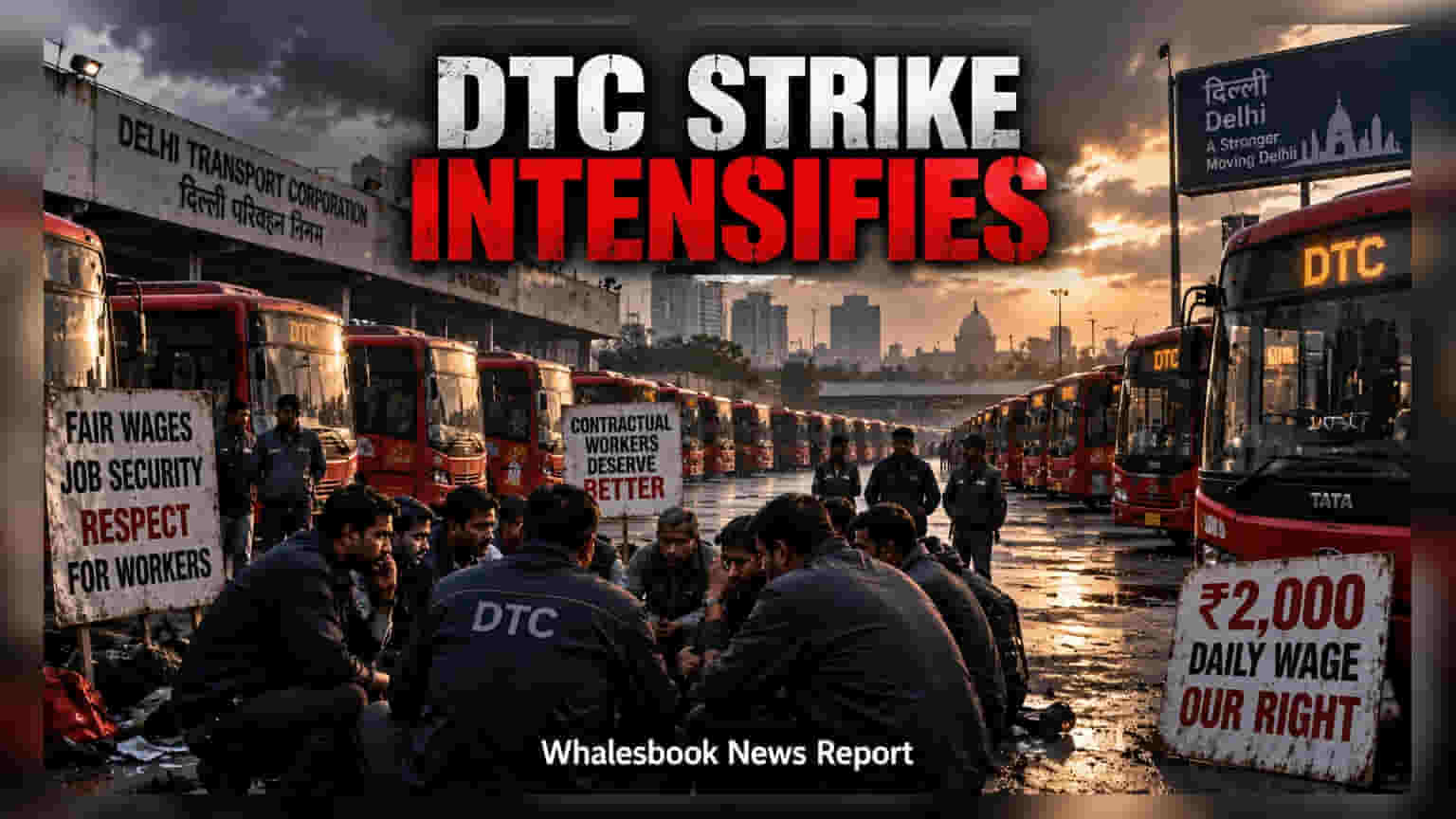
A four-day strike by 12,000 contractual drivers at the Delhi Transport Corporation is stalling public transport, with workers demanding a hike in daily wages from ₹862 to ₹2,000. This dispute illustrates the operational risks of relying on contractual labor in essential public utilities and highlights potential cost pressures that can impact urban service stability.
The Delhi public transport system is facing a severe operational bottleneck as 12,000 contractual drivers continue their protest for the fourth consecutive day. The standoff centers on a demand for a daily wage increase to ₹2,000, a significant jump from the current ₹862. This dispute brings into focus the growing friction regarding compensation and long-term job security for contract workers in state-run operations.
The reliance on contractual labor is a standard cost-reduction strategy for many public utilities and transport agencies, yet it carries the inherent risk of operational volatility. When labor relations break down, the resulting service disruptions create logistical pressure across the economy. Such incidents often force authorities to deploy emergency measures or face higher costs to restore normalcy, which can negatively impact the overall efficiency of the urban supply chain.
While the Delhi Transport Corporation is not a publicly listed company, the tensions surrounding its labor practices reflect issues frequently seen in various sectors that rely heavily on temporary or third-party workforce models. The current situation has been marked by reports of friction at transit depots, with drivers alleging that administrative authorities have used warnings and potential job loss threats to end the walkout. Conversely, the workforce maintains that the current wage structure, without the benefits afforded to permanent staff, is unsustainable.
The core challenge for the administration remains finding a balance between managing public spending and addressing the legitimate grievances of its massive workforce. For investors and market observers, this situation serves as a practical example of the risks associated with labor-intensive service models. Recurring labor disputes can lead to unpredictable operational costs and service delivery risks, which are factors often considered when evaluating the stability of sectors like logistics, urban services, and manufacturing.
The immediate monitorable is the progress of negotiations between the transport department and the union leaders. A resolution that addresses compensation and the systemic reliance on contractual hiring will be necessary to prevent recurring disruptions. Moving forward, observers will be watching to see if the government proposes any policy shifts regarding wage structures or worker benefits to resolve the impasse, as these outcomes could set precedents for similar labor-dependent public services in the region.