

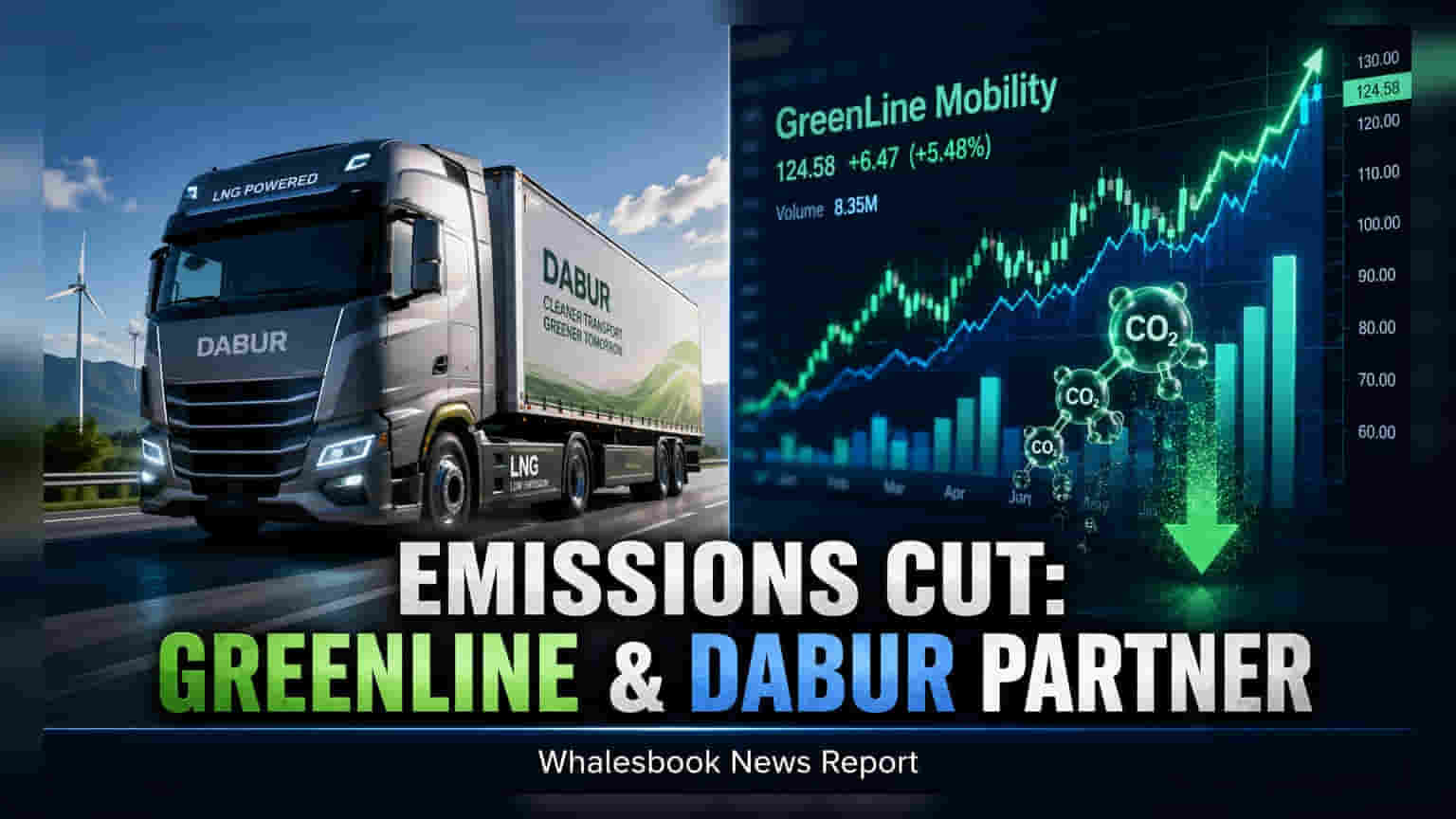
Dabur India has teamed up with GreenLine Mobility to deploy LNG-powered trucks across its logistics network. This shift aims to lower carbon emissions from long-haul freight operations while maintaining supply chain efficiency. The move reflects a broader trend among major FMCG companies to integrate cleaner transportation solutions into their distribution systems.
Detailed Coverage
Dabur India has officially partnered with GreenLine Mobility Solutions to transition parts of its logistics fleet to Liquefied Natural Gas (LNG) power. By incorporating these low-emission heavy commercial trucks, the FMCG giant intends to lower its supply chain carbon footprint. This collaboration is part of a larger, ongoing shift within the Indian logistics sector, where major corporations are increasingly turning to alternative fuels to meet sustainability targets without disrupting the movement of goods.
Strategic Shift to LNG Logistics
The adoption of LNG trucks is particularly relevant for long-haul freight, a segment that has historically relied heavily on traditional diesel engines. For a company like Dabur, which manages an extensive nationwide distribution network, the primary challenge is to reduce emissions while ensuring that delivery timelines and operational reliability remain stable. LNG is considered a cleaner-burning fuel compared to diesel, and its use in heavy vehicles has become a focal point for companies looking to align with global environmental, social, and governance standards.
GreenLine Mobility, which is part of the Essar Group, has been scaling its operations significantly. The company reports that its current fleet of over 1,000 trucks operates across key freight corridors, serving industries ranging from steel and cement to mining and chemicals. With more than 100 million kilometers already covered, GreenLine aims to position itself as a major provider of green logistics solutions in the Indian market.
Sector Trends and Operational Impact
This partnership highlights how large Indian firms are trying to address regulatory and environmental pressures on road transportation. As the government and global investors emphasize decarbonization, logistical efficiency is becoming linked to a company's ability to transition away from high-emission fuels. However, for investors, the success of such initiatives will depend on the scalability of the LNG refueling infrastructure, the long-term cost-benefit ratio of LNG compared to conventional diesel, and the overall maintenance costs of specialized LNG fleets.
While this move represents a proactive step toward sustainable operations for Dabur, the financial impact of such logistics transitions is typically realized over the long term. Investors should monitor how these initiatives influence Dabur’s logistics costs, particularly if fuel price volatility affects LNG versus diesel pricing. Furthermore, the ability of GreenLine Mobility to maintain and expand its service network will be a critical factor for the continuity of this operational model. The next important monitorable will be the company’s management commentary regarding the scale of this fleet deployment and its expected contribution to overall supply chain efficiency in upcoming quarterly updates.