

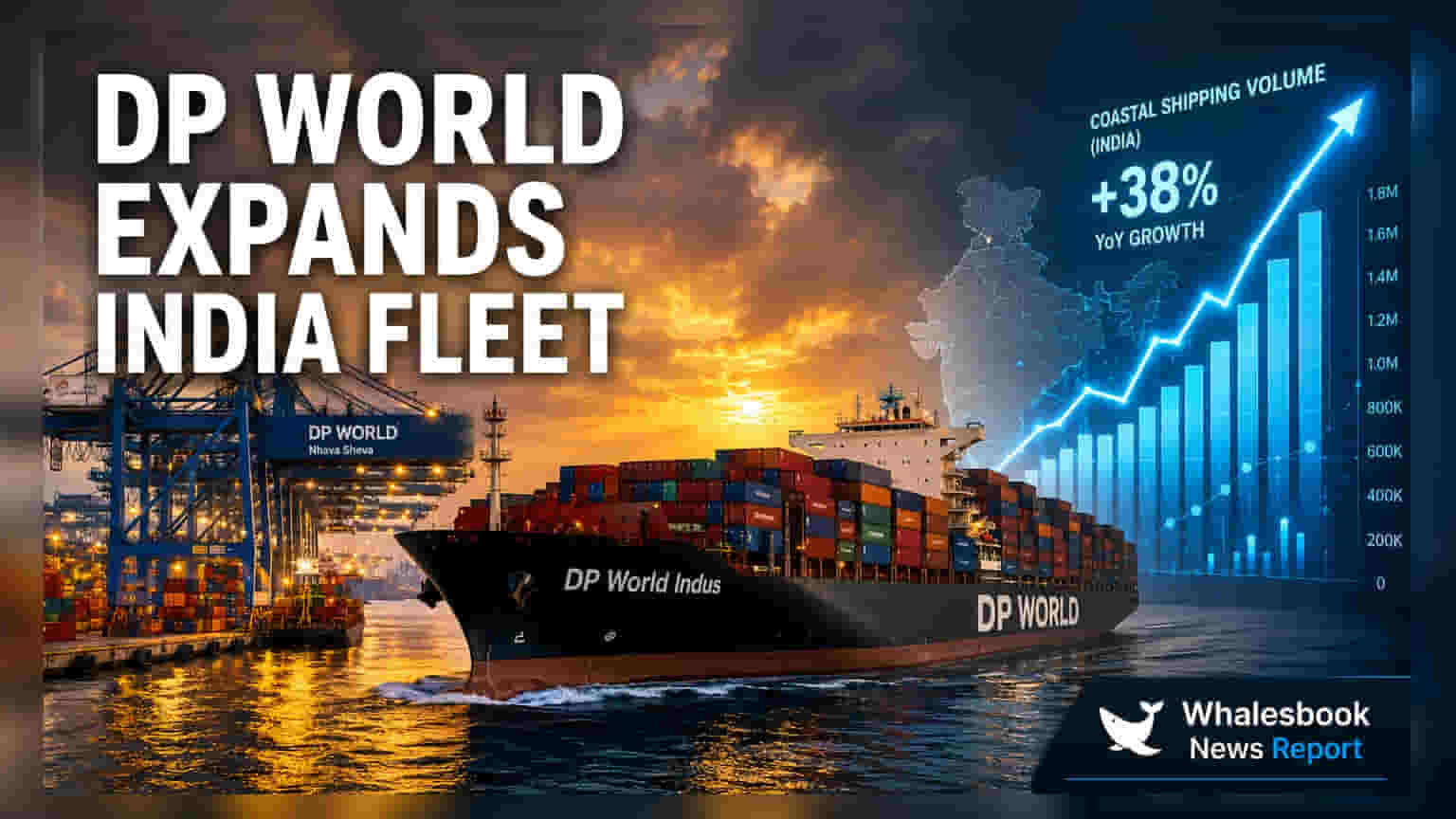
DP World has acquired the 'DP World Indus' container vessel to strengthen its domestic coastal shipping network in India. This move aims to improve supply chain efficiency and reduce reliance on congested road freight. The company now manages a fleet of 11 vessels across 14 Indian ports to support growing trade volumes.
DP World’s marine services division has officially added a new container vessel, the 'DP World Indus', to its Indian fleet. This strategic acquisition is designed to enhance the company's coastal shipping capacity, allowing for more efficient movement of goods across India’s long coastline. By utilizing sea routes for domestic logistics, the company aims to bypass some of the country's congested road networks, which can often lead to delays and higher transportation costs.
Expanding Coastal Logistics Capacity
The 'DP World Indus' vessel comes with a capacity of more than 2,500 TEUs, or twenty-foot equivalent units, which is a standard measure for container capacity. This addition brings the company's total active coastal fleet in India to 11 vessels. These ships currently connect 14 different ports across the country, creating a broader network for businesses looking to move cargo between Indian states without relying solely on trucks or trains.
Strategic Investment and Market Context
This acquisition fits into DP World’s larger, ongoing investment program in India’s logistics and maritime infrastructure. The company has been building out a presence that includes port terminals, inland container depots, and specialized logistics services. According to company data, the shipping solutions business handled over 473,000 TEUs in 2025. By increasing its fleet size, the company is positioning itself to capture a larger share of the domestic trade volume as India continues to focus on shifting freight toward more environmentally friendly and cost-efficient transport modes.
Operational Monitorables for Investors
For those tracking the logistics sector, the success of this move will depend on the company's ability to maintain high utilization rates for its expanded fleet. Key factors to watch include the growth in demand for coastal shipping services, the stability of freight rates for domestic water transport, and the overall efficiency of port connectivity. While coastal shipping offers benefits like lower emissions and reduced road congestion, it also requires high operational efficiency to compete with established road and rail logistics. Investors may continue to monitor how these infrastructure investments influence the company's ability to provide end-to-end supply chain solutions for its clients across India.