 Whalesbook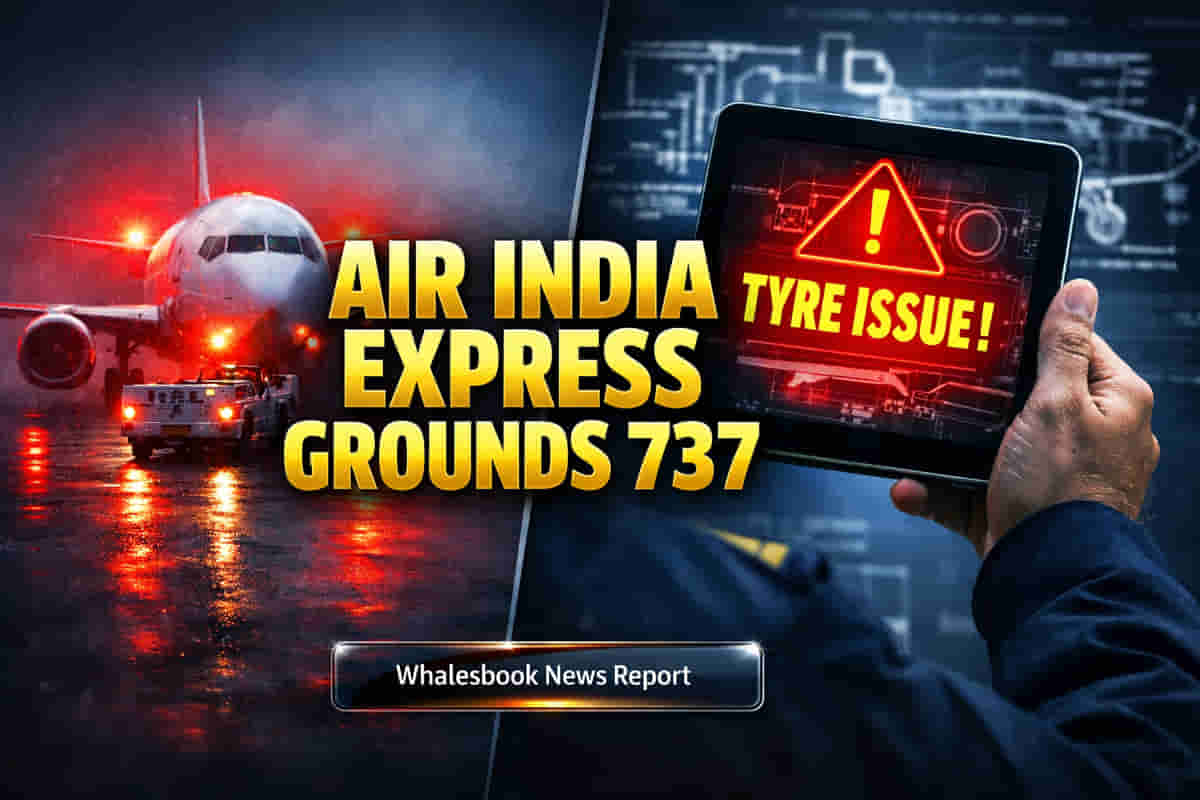
### Regulatory Vigilance Tightens Grip on Aviation Operations
The Indian aviation sector, while experiencing robust growth, is increasingly under the watchful eye of its regulatory bodies. A recent proactive grounding of a Boeing 737-NG aircraft by Air India Express illustrates this heightened scrutiny. This action follows an observation by the Directorate General of Civil Aviation (DGCA) regarding a potential issue with tyre interchangeability on the specific aircraft model. While the airline asserts a proactive stance in addressing the observation, it necessitates seeking clarification from the original equipment manufacturer, Boeing, and undertaking necessary component repairs.
### The Core Catalyst: Tyre Interchangeability and DGCA Scrutiny
Sources indicate that a recent audit by the DGCA identified a concern related to the interchangeability of tyres on the Boeing 737-NG fleet operated by Air India Express. This prompted the airline to withdraw one aircraft from service two days prior to its public announcement. The airline has stated its intention to replace the affected tyre component, with expectations for the aircraft to resume operations shortly thereafter. This incident arrives amid a period where the DGCA has been actively auditing airlines, with previous audits of Air India revealing numerous violations related to training, crew rest, and operational procedures. Air India Express itself has faced prior reprimands from the DGCA for delayed maintenance actions and alleged record alterations. The grounding, however minor in scope, serves as a reminder of the critical emphasis placed on aircraft airworthiness and component integrity by aviation authorities.
### Sectoral Context and Manufacturer Accountability
Air India Express, a low-cost subsidiary of the Air India Group, currently operates a significant fleet, with capacity increasing by 14% year-on-year as of January 2026. This event occurs as the broader Indian aviation market is experiencing strong growth, with passenger traffic projected to rise significantly. Competitors like IndiGo maintain a dominant market share, boasting a market capitalization of approximately ₹1,77,697 crore and a P/E ratio of 39.2. SpiceJet, conversely, faces financial headwinds with a negative P/E ratio around -7.18 as of January 2026. For aircraft manufacturer Boeing (BA), whose stock is monitored by analysts with a 12-month price target around $251.91, such regulatory observations can influence market sentiment. Historical precedents show that safety issues and groundings, particularly those involving entire fleets like the 737 Max in the past, have led to significant stock price volatility and production halts. While this specific incident involves only one aircraft and a component-level issue, it highlights the ongoing scrutiny faced by manufacturers regarding their product integrity and support processes.
### Path to Rectification and Future Outlook
The immediate focus for Air India Express is the replacement of the tyre component and the swift return of the grounded Boeing 737-NG to service. The airline's proactive disclosure and stated intent to rectify the issue align with the growing demand for transparency and operational accountability within the sector. For Boeing, the need to clarify the tyre interchangeability issue with its OEM clients remains paramount, ensuring consistent adherence to safety standards across its global fleet. The Indian aviation industry's trajectory of expansion requires sustained efforts in fleet modernization, maintenance, and regulatory compliance to maintain safety and investor confidence.