

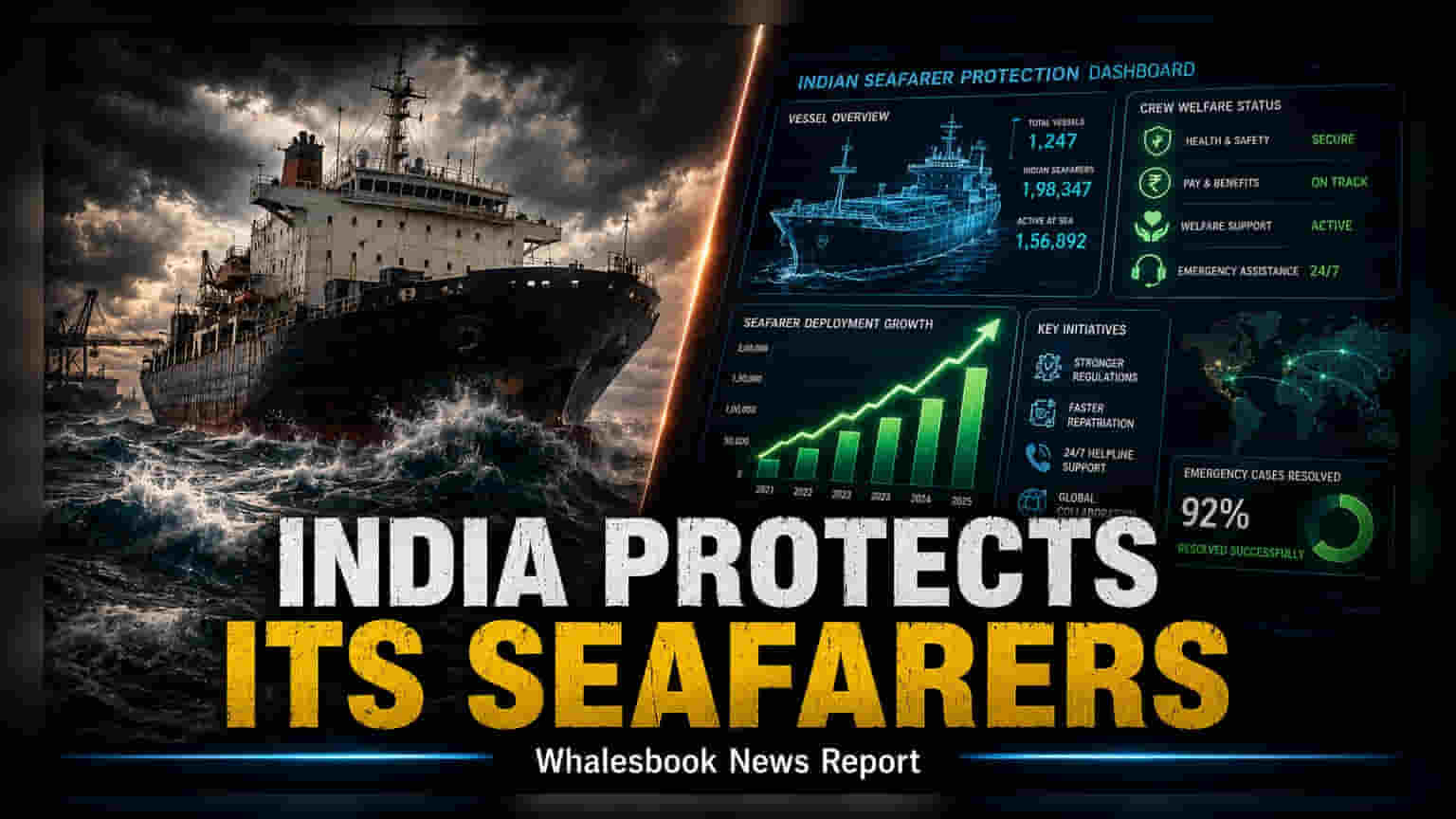
The Directorate General of Shipping is launching a real-time dashboard to monitor Indian crew members and vessels in volatile West Asian waters. This initiative mandates that shipowners and recruiters provide detailed safety and welfare compliance reports. The move aims to mitigate maritime risks and improve communication with families during regional security crises.
The Directorate General of Shipping (DG Shipping) has introduced a new monitoring framework to enhance the safety of Indian seafarers working in West Asian maritime regions. This initiative comes in response to increasing security concerns and potential threats to merchant vessels in key transit zones such as the Persian Gulf, the Strait of Hormuz, and the Gulf of Oman. Under this new mandate, the government will track Indian crew members regardless of the flag their vessel carries, ensuring broader oversight than previous regulatory measures.
Real-Time Data and Compliance
A centralized dashboard is being implemented to capture live data regarding vessel locations and operational status. The system will track critical information, including cargo details, crew composition, and upcoming port calls. Beyond mere location tracking, the platform will monitor the availability of essential supplies, such as fuel, food, and medical necessities, to ensure that vessels operating in high-risk zones maintain minimum safety standards. Shipowners, vessel managers, and maritime recruitment agencies are now required to submit compliance reports. These reports must confirm that crew members are not being forced to operate under unsafe conditions without proper support or adequate information.
Operational Safety and Support
The government has emphasized that the judgment of the ship’s Master remains a critical factor in navigation decisions. Any movement through affected regions must be preceded by a formal threat assessment conducted in coordination with maritime authorities. To support families and the crew, the ministry plans to appoint dedicated liaison officers for every impacted seafarer. These officers will serve as a direct communication channel for families and will assist with urgent matters such as medical updates, travel documentation, and the coordination of repatriation if necessary.
Implications for Maritime Industry
For shipping companies and recruitment agencies, these directives signify a tightening of regulatory oversight regarding crew welfare. Companies will need to demonstrate that they have clear protocols in place for both safety and crisis management. Furthermore, the government has moved to facilitate access to the Seafarers Welfare Fund to help clear outstanding wages or entitlements for those affected by regional instability. Investors in logistics and shipping entities should watch for potential impacts on operational costs, as increased compliance and safety measures may influence vessel scheduling and overall human resource management in the region. The next phase of this rollout will likely involve the integration of these compliance reports into the DG Shipping database to ensure continuous oversight of all Indian seafarers in the region.