

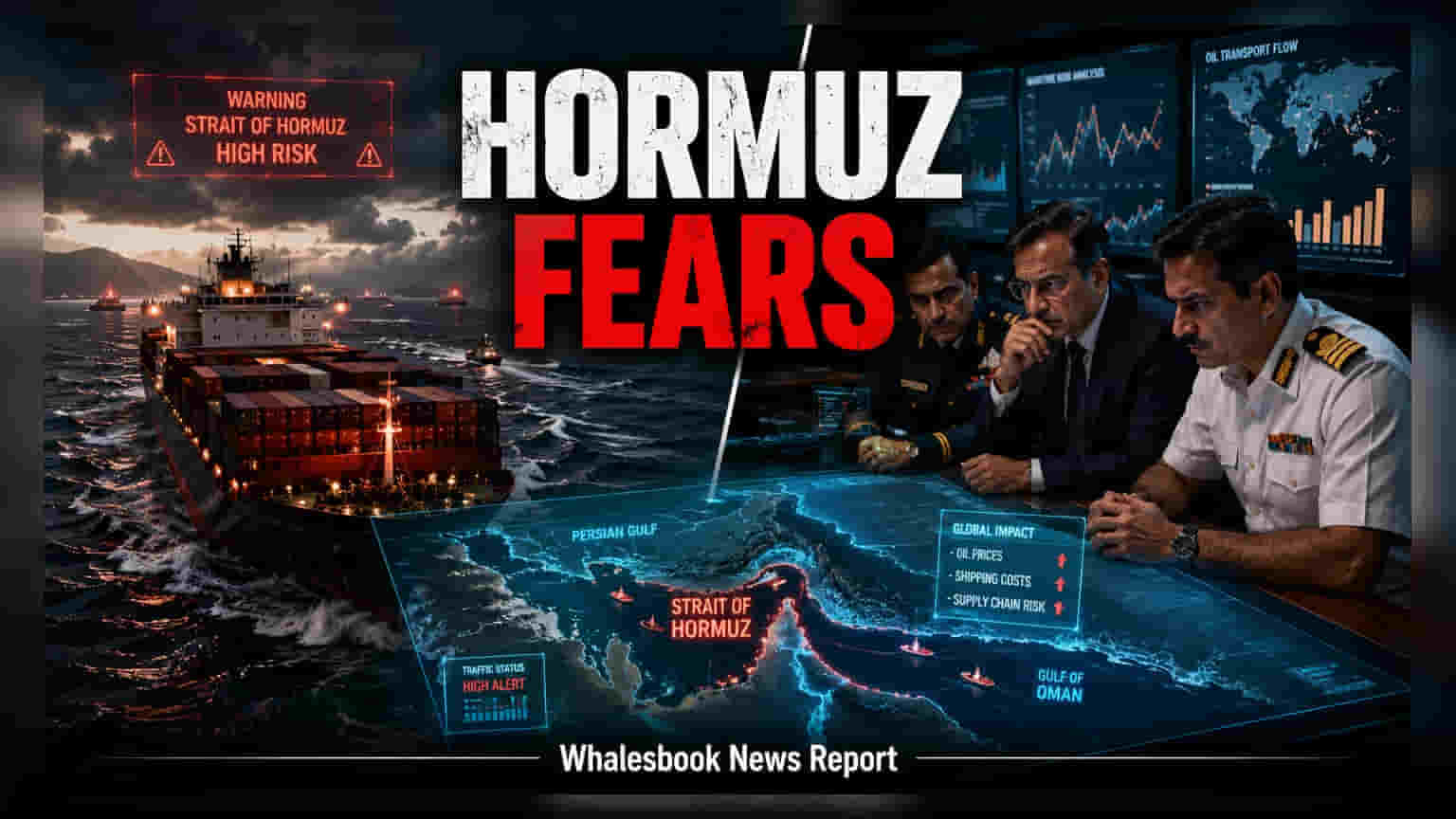
India’s maritime regulator has advised against deploying Indian seafarers through the Strait of Hormuz due to rising attacks on merchant ships. This move impacts global shipping operations and highlights growing safety risks for thousands of Indian sailors in the region.
The Directorate General of Shipping (DG Shipping), under India’s Ministry of Ports, Shipping and Waterways, has issued a formal advisory on July 15, 2026, urging shipowners and recruitment agencies to avoid routing vessels with Indian crew through the Strait of Hormuz. This directive follows a series of reported attacks on merchant vessels in the Persian Gulf, which the regulator views as a significant threat to the lives and safety of Indian seafarers.
Impact on Global Maritime Trade
The Strait of Hormuz serves as a critical maritime chokepoint, facilitating the passage of roughly 20% of the world’s crude oil and large volumes of liquefied natural gas (LNG). With India supplying a substantial portion of the global maritime workforce, any restriction on this route creates logistical challenges for international shipping companies. When vessels are forced to avoid this region or implement additional security measures, it can lead to longer transit times, increased insurance premiums, and higher operational costs for the shipping industry.
Security Protocols and Compliance
For vessels that must transit the area, the DG Shipping mandate requires strict adherence to security protocols outlined in the International Ship and Port Facility Security (ISPS) Code. Ship masters have been instructed to maintain constant vigilance and coordinate closely with regional centers, including the Maritime Domain Awareness Centre (MMDAC) and the Information Fusion Centre–Indian Ocean Region (IFC-IOR). These measures are designed to ensure that in the event of an emergency, communication lines remain open and assistance can be coordinated swiftly.
Investor and Industry Context
For investors monitoring the logistics and energy sectors, this advisory is a reminder of the vulnerability of global supply chains to geopolitical conflict. Shipping companies with high exposure to the Persian Gulf routes may face margin pressure if operational costs rise due to these security requirements or potential re-routing of vessels. The situation also highlights the importance of risk management in maritime operations. Investors should monitor how global shipping entities adjust their transit plans and whether these security concerns lead to further volatility in freight rates or energy supply logistics. The next steps for the industry will likely involve a reassessment of crew deployment policies and insurance coverage for vessels operating in the Middle East.