

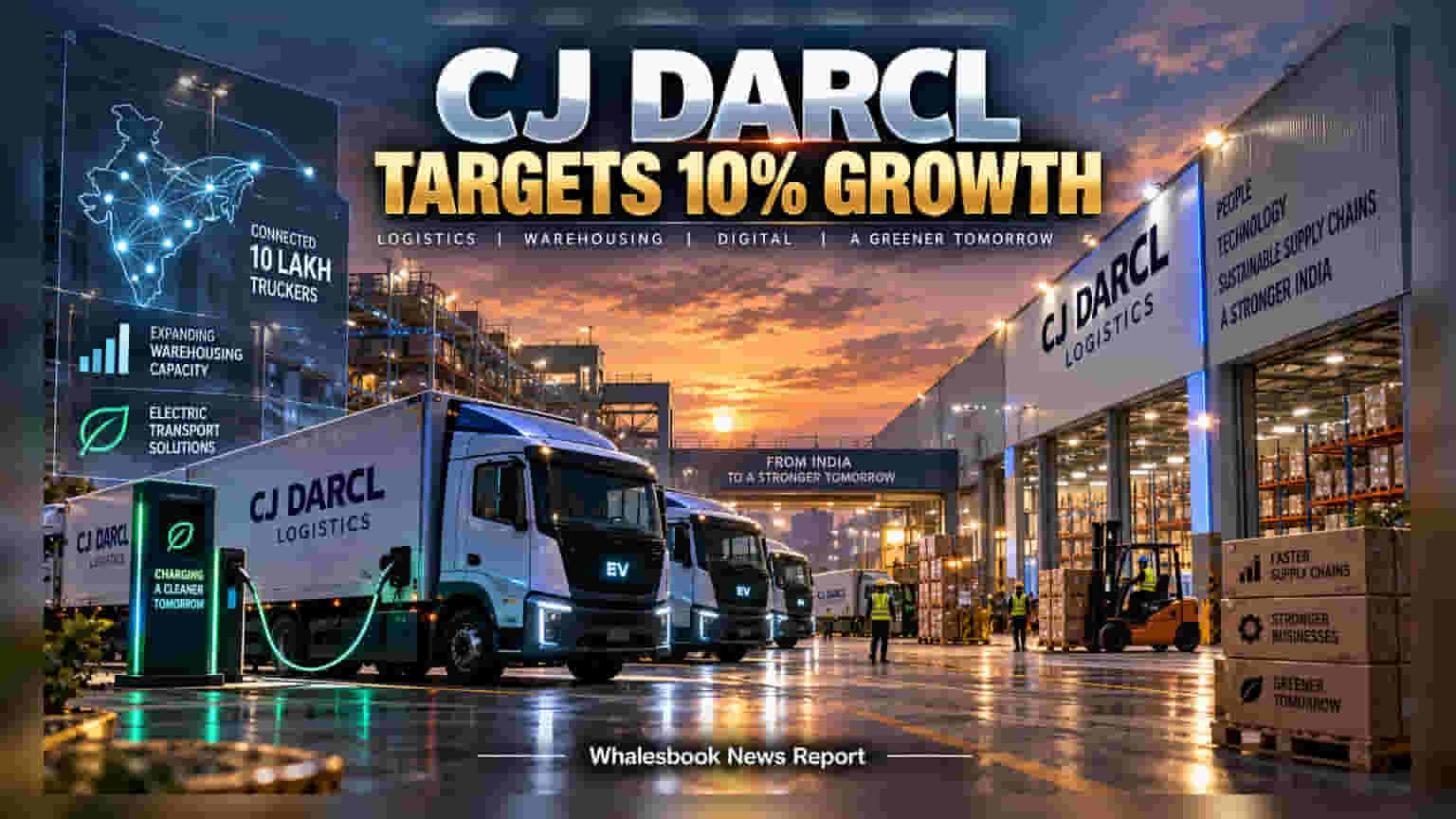
Logistics firm CJ Darcl aims for a 10% annual growth rate by expanding its warehousing capacity and launching a digital marketplace for truckers. Despite these growth plans, the company is dealing with demand pressure in the metals segment and rising freight costs. Management is currently evaluating potential acquisitions and waiting for the right market conditions for its planned initial public offering.
CJ Darcl Logistics, backed by South Korea’s CJ Logistics, is shifting its business strategy to focus on warehousing and digital platforms to maintain a 10% annual growth rate. The company reported revenue of approximately ₹5,600 crore for the 2026 fiscal year. To sustain this performance, the firm is building three main pillars: a technology-enabled marketplace for truckers, electric transport solutions, and rapid expansion in its warehousing division.
The company is developing a digital marketplace intended for smaller fleet operators. The platform aims to connect roughly 10 lakh truckers, helping them manage administrative tasks and reduce idle time. By digitizing this fragmented sector, the company hopes to improve efficiency and capture more value. This strategy follows a broader industry trend where logistics players are moving away from simple transport toward value-added services like inventory management and digital support.
Warehousing has become a high-growth area for the firm, expanding at 70% to 80% annually. With 2.78 million square feet of space currently in operation, the company is now focusing on the e-commerce and quick-commerce sectors, which require faster and more frequent deliveries. Additionally, the firm is experimenting with electric vehicles on specific high-traffic routes to improve sustainability, although the higher cost of these vehicles compared to traditional diesel trucks remains a challenge for full-scale adoption.
While the expansion plans are ambitious, the company faces operational pressure from a slowdown in the metals and minerals segment, a major contributor to its logistics volumes. The firm is also managing the impact of fluctuating diesel prices, which drive up freight costs. While these costs are often passed on to customers through contract logistics, the broader risk is that high transport costs could weaken demand from industrial clients.
Regarding capital allocation, the company is looking at inorganic growth, meaning it is exploring potential acquisitions to increase its market share. This would allow the firm to scale faster than relying on internal projects alone. Management is also monitoring the market environment to decide the timing for its initial public offering. Investors will likely monitor how effectively the company can balance its capital spending on new tech and warehousing while navigating the current slowdown in industrial demand.