 Whalesbook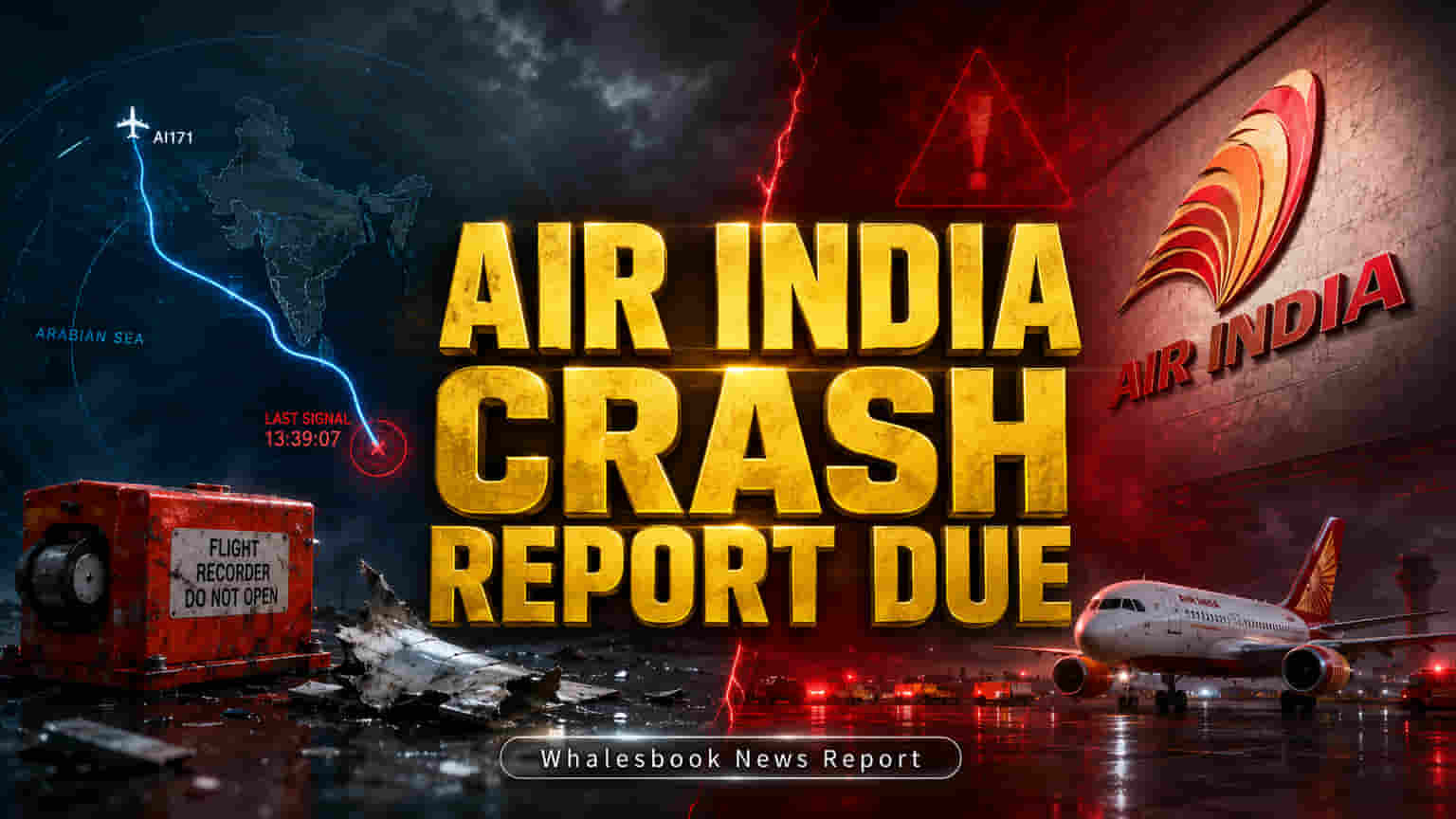


Boeing Faces Safety Spotlight as Air India Crash Report Nears
The investigation into the Air India flight AI171 crash is nearing its conclusion. This comes as Boeing faces intense regulatory oversight and investor concerns about its manufacturing integrity.
Report Release and Boeing's Valuation
The final report on the Air India crash involving a Boeing 787-8 Dreamliner is expected within the next month. This imminent release could resolve a key concern for the aerospace giant. However, its findings will be reviewed alongside Boeing's overall safety record and recent quality control issues. Boeing's stock, trading around $231.04 with a market capitalization of about $170-182 billion, has a high P/E ratio between 90 and 118, indicating high expectations for future growth. The stock has risen about 20-22% in the past 12 months. The market is sensitive to safety news; the stock dropped 8% immediately after the crash was reported in June 2025. The report's details—whether mechanical failure, external factors, or operational issues—will directly affect investor sentiment and the company's valuation.
Safety, Scrutiny, and Competitors
Major aviation accidents involving Boeing aircraft have historically led to stock price drops, with an average decline of 2.67% after serious incidents. The Air India crash is the first fatal hull loss for the 787 Dreamliner, which otherwise has a good safety record. In comparison, Boeing's competitor Airbus has a P/E ratio of about 29 and a market capitalization around $137 billion. Airbus's popular A320 family faces its own supply chain challenges, especially with engine availability. The aerospace industry is seeing higher demand as air travel recovers, but safety and production quality concerns could hinder this recovery.
Persistent Production and Regulatory Challenges
Boeing continues to face production quality issues. The U.S. Federal Aviation Administration (FAA) is investigating claims that workers at Boeing's South Carolina plant falsified inspection records for the 787 Dreamliner's wing-to-fuselage bonding and grounding. This follows whistleblower allegations of manufacturing shortcuts and debris found in critical assembly areas. The 787 also had issues with lithium-ion batteries in 2013, causing a temporary global grounding. These ongoing quality concerns, combined with increased FAA oversight after the 737 MAX incidents, create a difficult regulatory situation. Additionally, families of Air India crash victims are suing Boeing and Honeywell, alleging faulty fuel switches caused the accident. This could lead to further financial costs, though Air India has offered settlements to victims' families for legal waivers.
Analyst Optimism Amidst Uncertainty
Despite these ongoing issues, analysts generally hold a positive view. Boeing has a consensus "Strong Buy" rating from many analysts, with average 12-month price targets between $260 and $275, suggesting potential upside of 15-19%. Analysts predict revenue growth and a return to positive earnings per share (EPS) in the coming year. However, the final impact of the Air India crash investigation report on Boeing's safety image, production stability, and stock performance remains a key uncertainty that tempers these optimistic forecasts.