 Whalesbook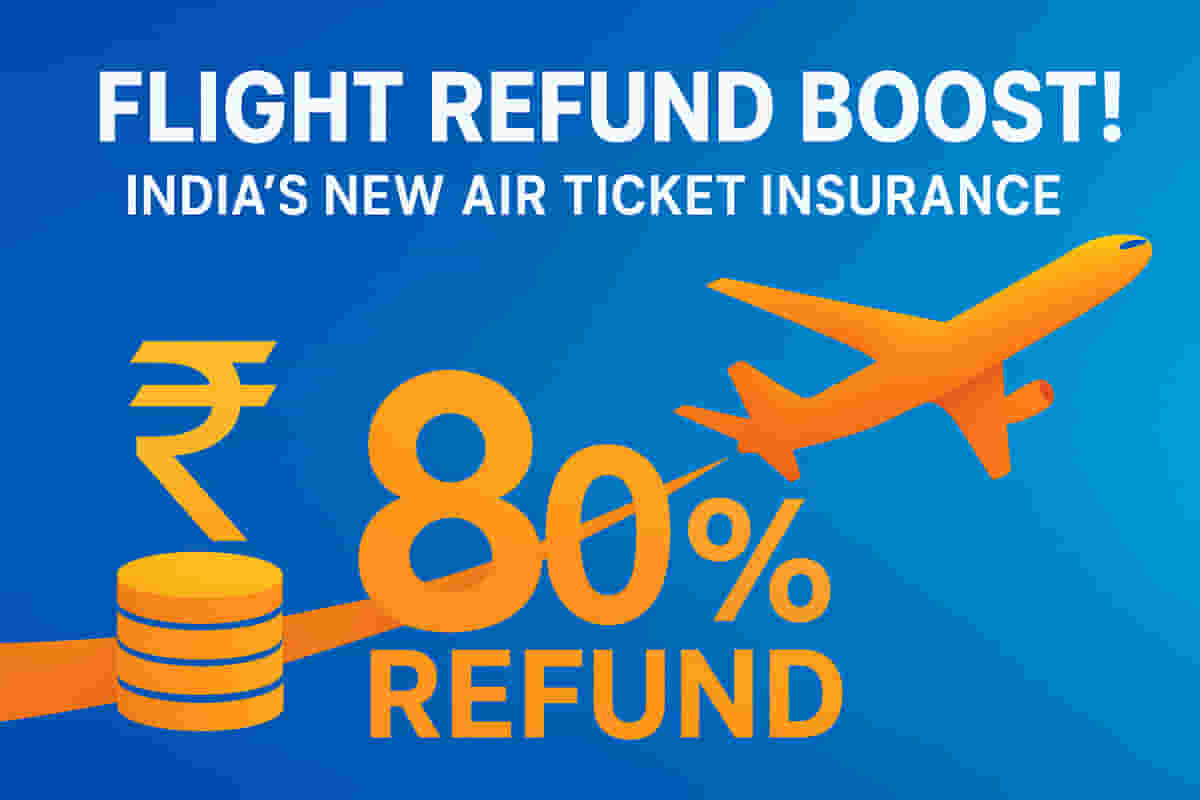
India's aviation sector is gearing up for a significant change that could bring much-needed relief to air travelers. Within the next two to three months, the country plans to roll out an inbuilt travel insurance component directly into air tickets. This feature is designed to allow passengers to claim refunds of up to 80% on tickets cancelled at the last minute due to pressing reasons like medical emergencies or family tragedies.
Currently, cancelling a ticket within three hours of departure is considered a no-show, resulting in the forfeiture of the entire booking amount. While airlines might offer full refunds discretionarily for genuine medical emergencies, this process can be cumbersome and is not guaranteed.
Sources indicate that the aviation secretary is actively discussing the implementation of this plan with Indian carriers. The proposal is to have this insurance as a no-cost addition for passengers, with airlines bearing the premium by partnering with insurance companies. A rough estimate suggests that a premium of about Rs 50 per ticket could facilitate refunds of up to 80% for cancellations made up to four hours before departure. This move is expected to ease traveler concerns about losing money due to unpredictable events, making flight bookings less risky.
In parallel, the Directorate General of Civil Aviation (DGCA) is also revising its refund rules to be more passenger-friendly, addressing issues like delays in refunds and the practice of adjusting amounts against future travel. This proactive approach aims to safeguard passengers' interests and improve overall satisfaction with airline services.
Impact:
This news is highly relevant to the Indian stock market, particularly impacting the airline and insurance sectors. Airlines might see a slight increase in operational costs due to premium payments, but this could be offset by increased passenger confidence and booking rates. The insurance sector will gain new business opportunities. For consumers, it means greater financial security and less stress when booking flights.
Impact rating: 7/10
Terms Explained:
Inbuilt travel insurance component: A feature included as part of the air ticket itself, providing coverage for specific travel-related risks without requiring a separate purchase.
Last-minute exigency cancellations: Cancellations made very close to the flight's departure time due to unforeseen, urgent circumstances.
No-show: When a passenger does not board a scheduled flight without prior cancellation.
Discretionary: Based on individual judgment or choice rather than fixed rules.
Premium: The amount paid for an insurance policy.
Online Travel Agencies (OTAs): Websites or applications that sell travel-related services, such as flights, hotels, and car rentals, directly to consumers.
Directorate General of Civil Aviation (DGCA): The Indian regulatory body for civil aviation, responsible for safety, standards, and passenger rights.