

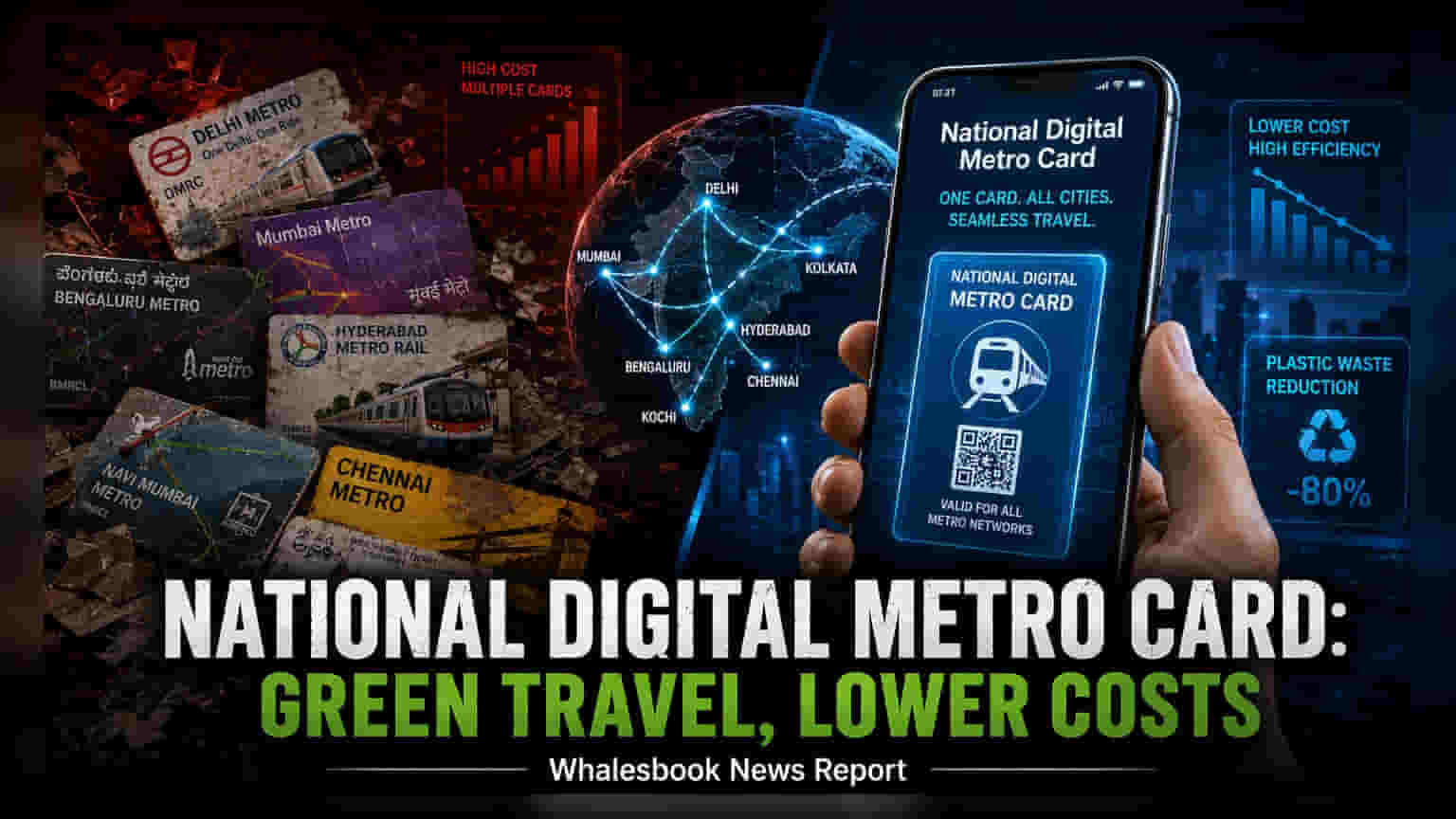
Rajya Sabha MP Surendra Singh Nagar has proposed a unified digital metro card system to replace fragmented city-specific cards. The initiative aims to reduce plastic waste and cut operational costs for metro corporations by moving to an account-based ticketing model. This move reflects an effort to expand India's digital public infrastructure to urban transport.
A proposal for a unified digital metro card system has been introduced in the Rajya Sabha by BJP MP Surendra Singh Nagar. The initiative seeks to streamline ticketing across India’s growing metro network, which currently operates through disjointed, city-specific smart card systems. By shifting to a centralized, account-based model, the proposal aims to improve commuter convenience and modernize urban transport infrastructure.
Operational and Environmental Impact
Currently, travelers using metro services in different cities often face the inconvenience of carrying multiple physical smart cards, as systems in cities like Bengaluru, Delhi, or Bhopal remain largely incompatible. Beyond passenger ease, the proposal highlights significant environmental and financial benefits. Each physical PVC card requires manufacturing, distribution, and regular maintenance, all of which contribute to operational expenses for metro corporations. Moving toward a digital, account-based system linked to a mobile number could reduce the massive volume of plastic card production and waste, while also lowering the costs associated with cash handling and physical infrastructure.
Security and Digital Infrastructure Integration
Drawing parallels to the success of the Unified Payments Interface (UPI) in India's banking sector, the proposal suggests that commuter funds should be secured in accounts rather than tied to a physical chip on a card. This change would protect passengers from losing their balances if a card is lost or damaged. Furthermore, the integration with a registered mobile number is intended to provide a more resilient access method. This aligns with broader government efforts to expand digital public infrastructure, aiming to create a seamless experience for urban commuters similar to the advancements seen in digital payments.
The implementation of such a system would require coordination between the Ministry of Housing and Urban Affairs, individual state metro corporations, and technology partners. While the proposal focuses on long-term efficiency and cost reduction, the timeline for potential development, the integration of existing ticketing hardware, and the technical requirements for interoperability across different state-run entities will be important areas for observation. Investors and stakeholders in the urban infrastructure and digital payment sectors may monitor whether this proposal transitions into a formal policy roadmap or a pilot project.