

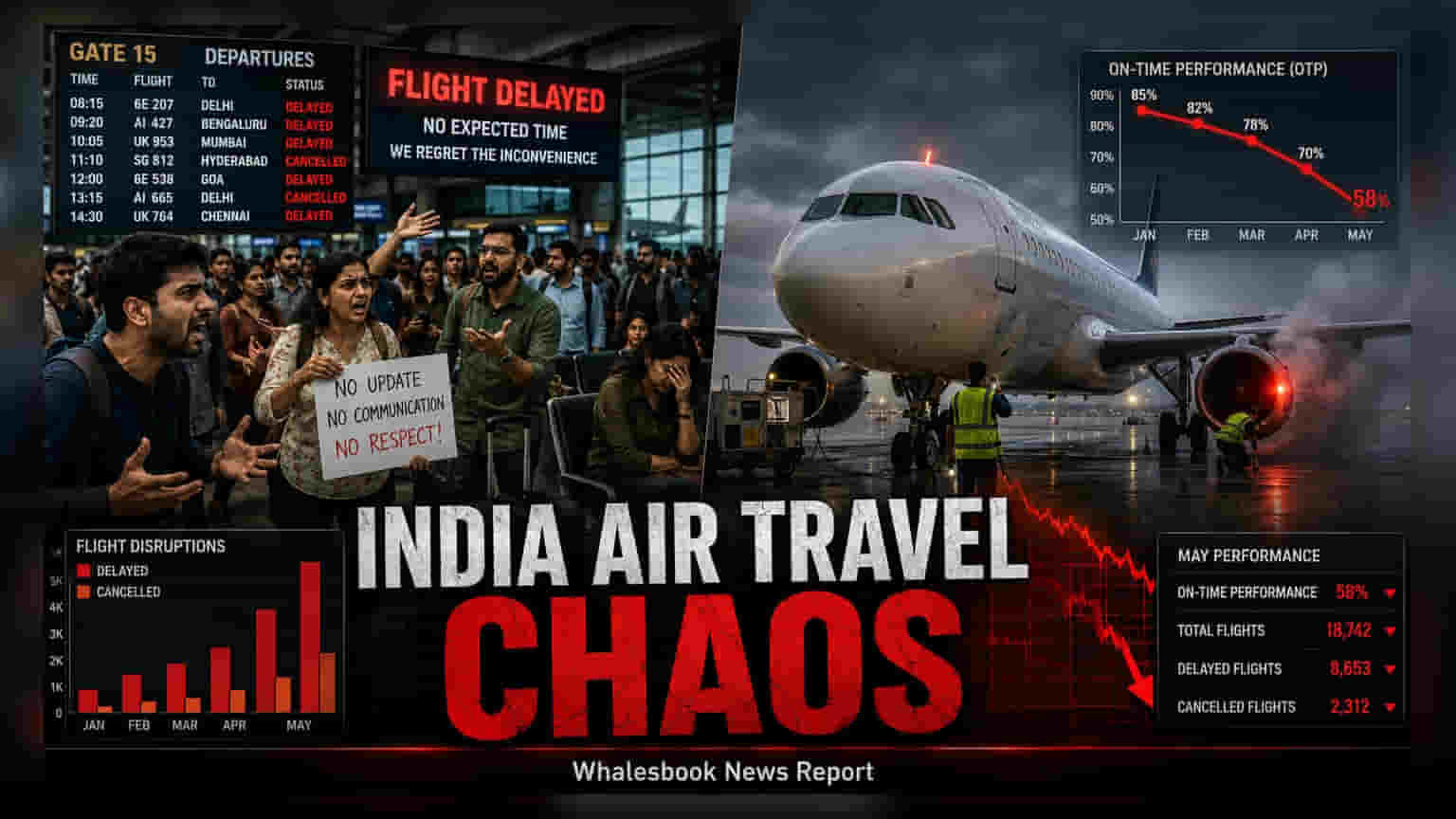
On August 12, 2026, IndiGo, SpiceJet, and Air India Express faced back-to-back technical and operational failures. Incidents ranged from an emergency landing due to engine issues to cabin cooling faults and airport protests. These disruptions highlight ongoing reliability challenges in the Indian aviation sector, which investors may monitor for potential regulatory scrutiny and impact on maintenance costs.
Indian aviation faced a difficult operational window between August 11 and August 12, 2026, as three major airlines—IndiGo, SpiceJet, and Air India Express—reported significant technical and service-related disruptions. While no injuries were reported, the back-to-back incidents have brought renewed attention to fleet maintenance and operational efficiency standards.
IndiGo flight 6E-723, traveling from Kolkata to Chennai, triggered a full emergency protocol late on August 11. The aircraft experienced a critical issue with its left engine as it approached Chennai. The flight, carrying 224 people, landed safely, and authorities withdrew the emergency status shortly thereafter. This event follows earlier technical scares for the airline, drawing attention to engine performance and reliability across its fleet.
In a separate incident on August 12, SpiceJet flight SG 105 from Delhi to Pune faced a service failure that resulted in a cancellation. Passengers reported that the aircraft's air-conditioning system was non-functional, leading to uncomfortable cabin temperatures before departure. Following concerns raised by travelers regarding safety and comfort, the airline decided to ground the aircraft and arrange alternative travel options. The airline stated that a last-minute technical issue prompted the decision.
Meanwhile, Air India Express flight IX1254 from Kolkata to Chennai faced delays that escalated into passenger protests at the airport. Travelers, who had already received boarding passes, were informed of a technical fault with the aircraft. The lack of timely updates led to frustration and demonstrations within the airport terminal, highlighting challenges in communication and service recovery during operational disruptions.
From an investor perspective, these incidents are not just isolated service lapses; they impact the core metrics of airline operations. Frequent technical failures can lead to increased regulatory oversight by the Directorate General of Civil Aviation (DGCA). Such scrutiny often forces airlines to increase spending on maintenance and safety checks, which can put pressure on profit margins if not managed efficiently.
Beyond the immediate cost of grounding aircraft or arranging alternative flights, recurring issues risk damaging brand trust. For airlines, reliability and on-time performance are key drivers of market share. Investors may track whether these events lead to higher maintenance expenditures or if the DGCA imposes stricter compliance requirements on carriers with aging or frequently failing fleets. The ability of these airlines to minimize such operational volatility will be a key factor in protecting their bottom line in the coming quarters.