

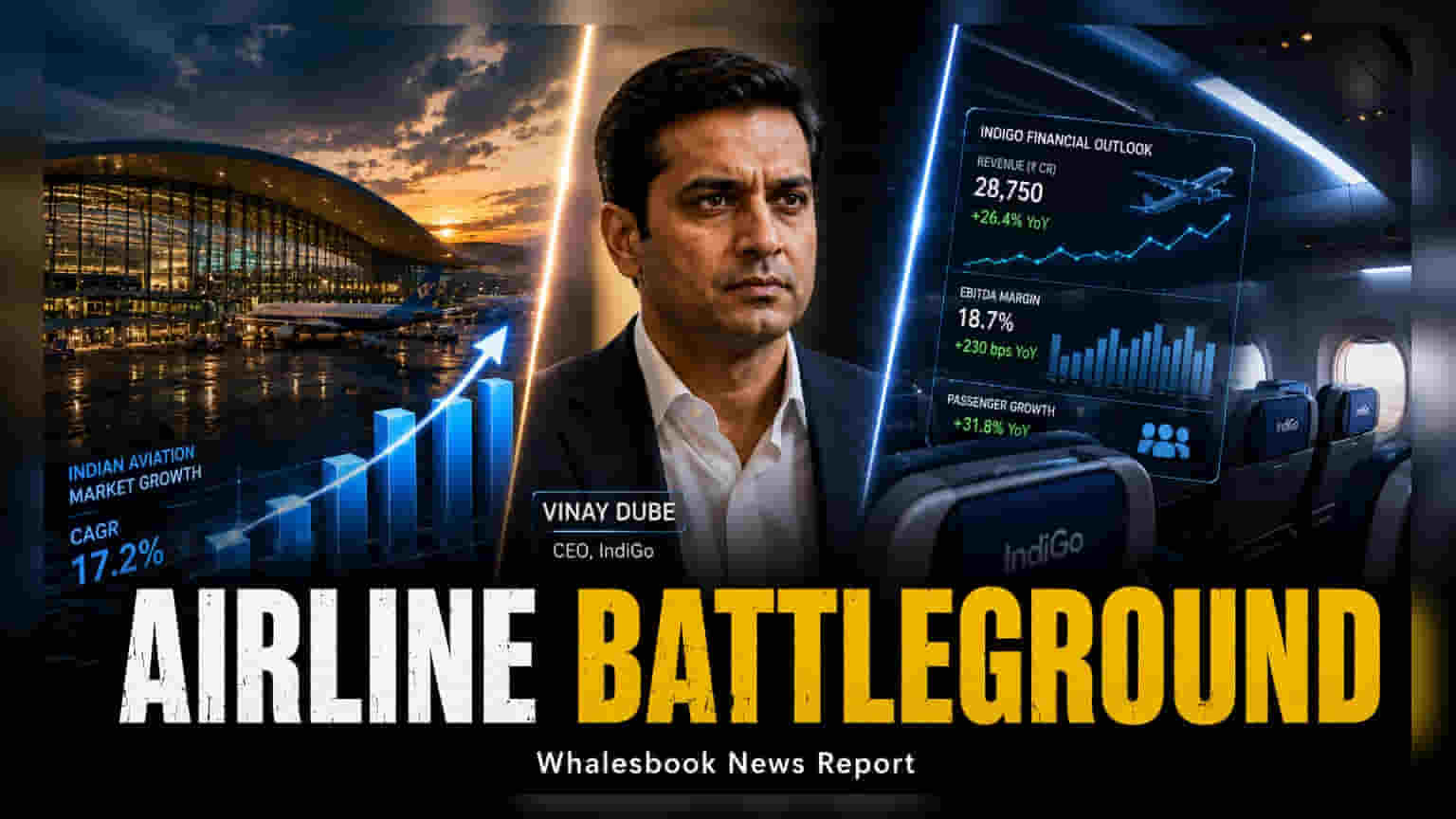
Akasa Air CEO Vinay Dube has voiced support for allowing airport operators to hold larger stakes in airlines to boost competition. This stance contrasts with concerns from competitors like IndiGo, which warn of potential conflicts of interest. Meanwhile, the airline is seeking $110 million in fresh funding to manage rising costs and support its expansion plans.
Akasa Air CEO Vinay Dube has publicly endorsed the idea of allowing airport operators to hold larger equity stakes in airlines, arguing that such a move could spur greater competition within India's aviation market. Currently, regulations generally limit airport operators to a 10% stake in any single airline. While the Ministry of Civil Aviation is discussing potential policy changes to ease this cap, the proposal has sparked debate among industry players.
The Debate Over Competition and Conflicts
The push to relax ownership rules is not without controversy. While proponents argue that allowing deeper involvement from airport operators could bring necessary capital and operational efficiencies, critics have raised significant concerns. IndiGo, a major domestic carrier, has expressed apprehension, citing potential conflicts of interest. The core concern is that an airport operator—which controls vital infrastructure like slots and parking bays—could unfairly favor an airline in which it holds a controlling stake, potentially distorting fair competition for other carriers.
For investors, this regulatory backdrop is a key monitorable. Any policy shift regarding ownership limits would fundamentally alter the dynamics of the Indian aviation sector. The outcome will likely depend on whether the government believes the benefit of increased airline competition outweighs the risk of infrastructure providers having too much control over airline operations.
Financial Reality and Expansion Plans
Beyond policy debates, Akasa Air is navigating a challenging financial environment. In FY25, the airline reported a net loss of approximately ₹1,983 crore, a figure reflective of the broader sector's struggle with high operating costs, including jet fuel prices and a weakening rupee. To sustain its growth strategy, the airline is currently seeking to raise around ₹1,050 crore ($110 million) through a mix of debt and equity.
Despite the financial pressure, the company is maintaining its aggressive expansion strategy. With 40 aircraft currently in its fleet and a substantial order book of 186 aircraft scheduled for delivery through 2032, the airline is betting heavily on the long-term growth of Indian air travel. The company currently utilizes Boeing 737 MAX single-aisle aircraft and has indicated that it may explore further diversification into different types of jets in the coming years.
What Investors Should Monitor
The central risk for shareholders and observers remains the execution of this high-growth strategy amidst persistent financial strain. The airline’s ability to secure the planned $110 million in funding is critical for managing its current debt and operational costs. Furthermore, investors should track the Ministry of Civil Aviation’s final decision on the airport ownership policy, as it could reshape the competitive landscape for all major airlines in the country. The pace of aircraft deliveries and the airline’s ability to improve profit margins in the face of volatile fuel costs will also be key areas for tracking future performance.