 Whalesbook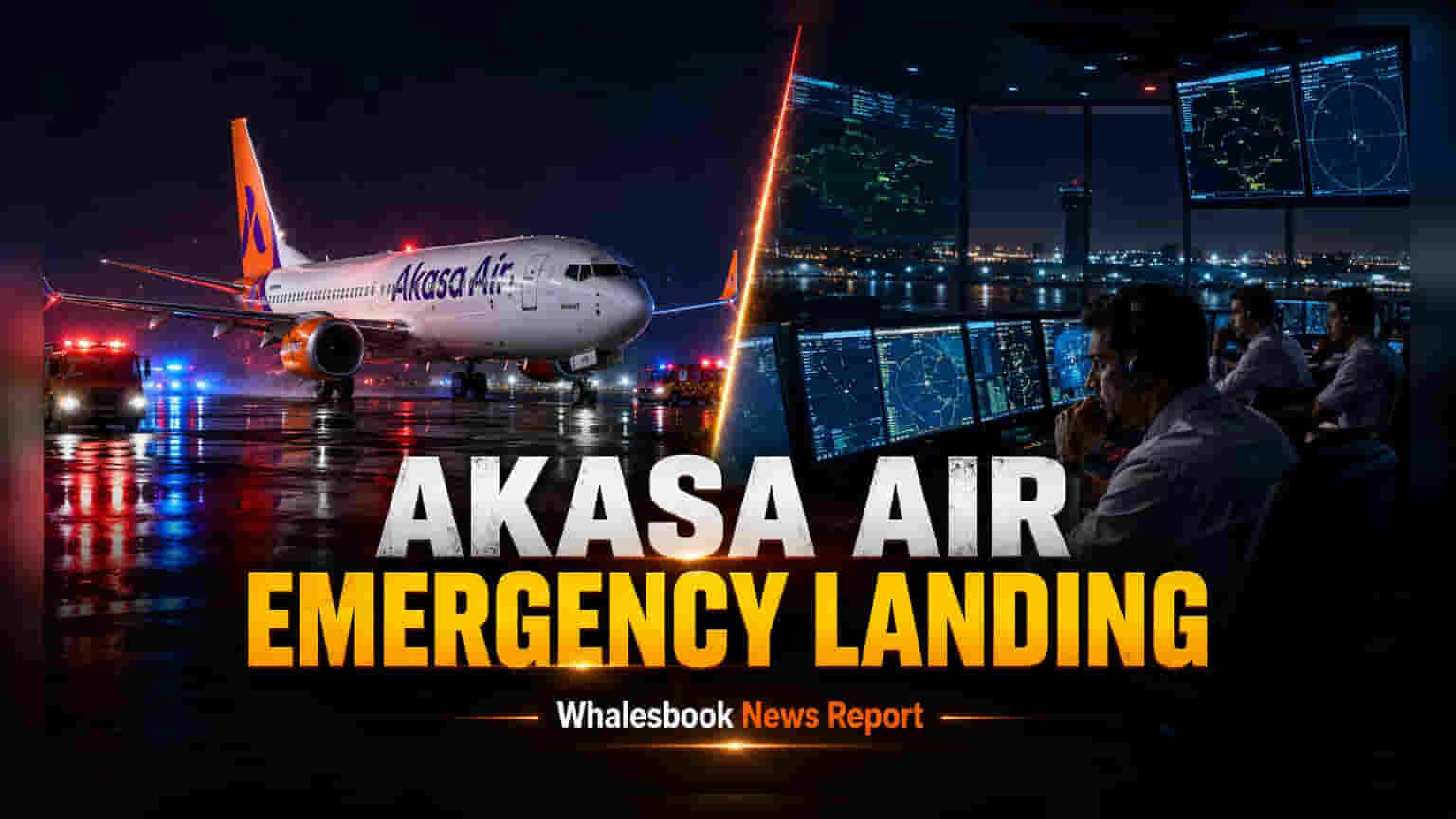


The Operational Divergence
The decision to declare a 'PAN PAN' alert—an international signal indicating an urgent but not immediate threat to life—underscores a breakdown in the flight’s planned operational trajectory. While the official narrative points to adverse weather conditions around the Bhubaneswar destination, the necessity of a priority landing at Lucknow indicates that the fuel buffer was compromised. Under Directorate General of Civil Aviation (DGCA) regulations, captains are mandated to carry contingency fuel, typically five percent of the trip fuel or 200 kilograms, whichever is greater. The reliance on this reserve suggests that the diversion window was narrower than what standard safety planning should provide for regional corridors.
The Anatomy of the Fuel Scare
Unlike 'MAYDAY' calls that denote imminent peril, a 'PAN PAN' alert signals that the crew requires priority handling to avoid a more severe emergency. In this instance, the flight crew on QP1503 requested a clear approach to ensure landing in a single attempt, revealing the pressure of managing depletion rates during holding patterns or unexpected rerouting. This event is a reminder of the historical tension between competitive low-cost carrier (LCC) models, which optimize for minimal weight to reduce fuel burn, and the regulatory insistence on robust safety margins. Even a minor atmospheric shift in the Indian monsoon or storm season can force these tight-margin calculations into a public safety event.
The Aircraft and the Contextual Risk
The use of a Boeing 737 MAX 8, the workhorse of the Akasa fleet, introduces a secondary layer of scrutiny. Although the MAX platform has undergone rigorous re-certification following its global grounding, the industry remains sensitive to any anomaly involving the type. While this specific event appears to be an operational fueling decision rather than a mechanical failure of the Collins Aerospace rudder systems or MCAS, it reinforces the broader scrutiny surrounding Boeing’s operational reliability in the current regulatory environment. The airline, a private entity backed by the Jhunjhunwala estate and prominent private equity, is currently under intense pressure to scale rapidly, a phase in aviation history where operational focus often faces its greatest stress tests.
Structural Vulnerabilities
For investors and industry observers, the event brings Akasa’s growth-at-all-costs strategy into focus. The airline has aggressively scaled its fleet to capture domestic market share, but rapid expansion often tests the maturity of crew training and dispatch decision-making. Unlike established legacy carriers that might carry significantly higher fuel loads as a matter of standard operating procedure, younger LCCs often lean closer to the regulatory floor to maintain cost competitiveness. If investigations reveal that the flight’s diversion was preventable through better dispatch planning or weather monitoring, it could signal a maturity gap in the carrier’s flight operations department, potentially attracting sharper oversight from the DGCA in the coming quarters.