

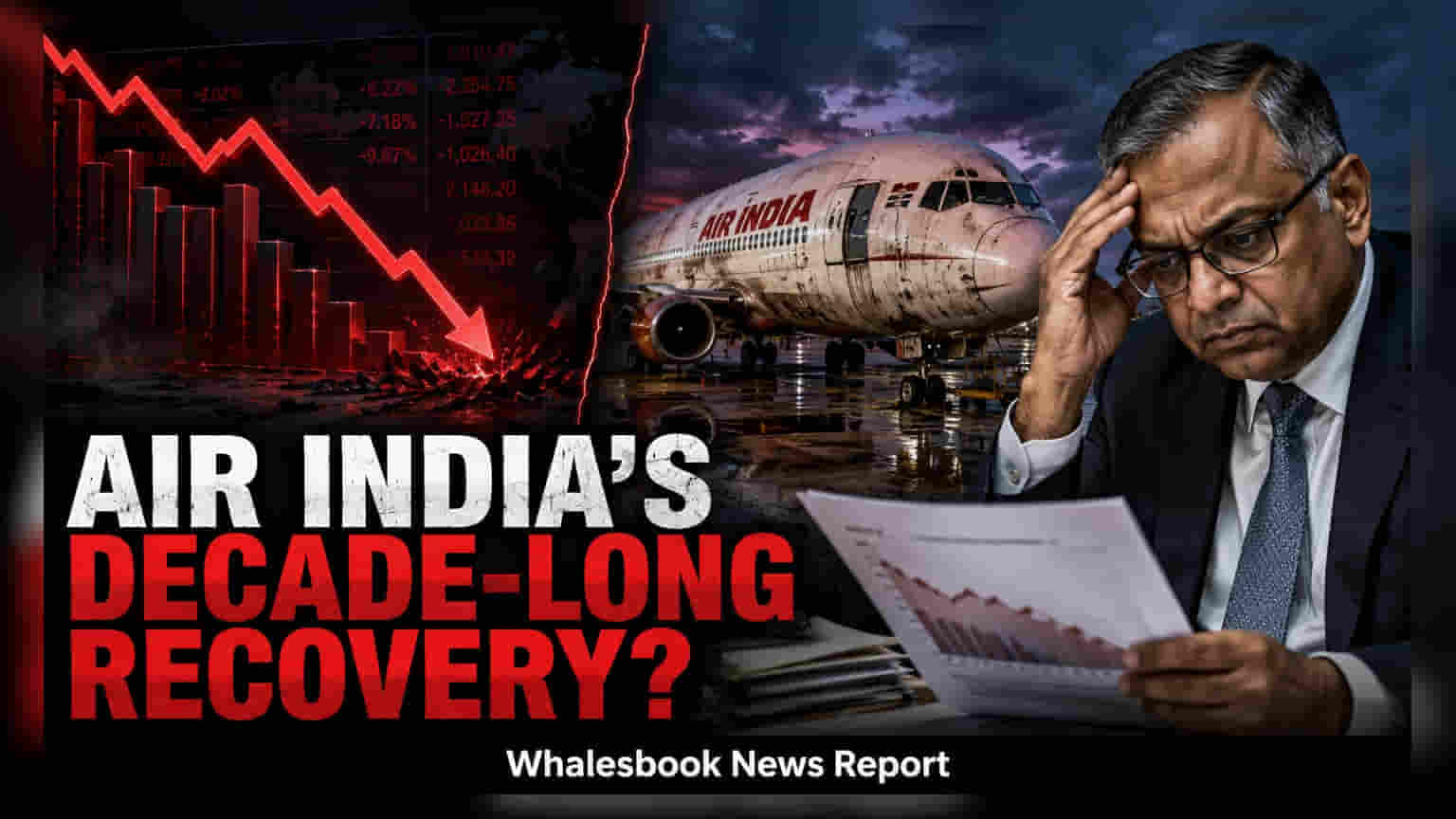
Tata Sons Chairman N. Chandrasekaran has stated that returning Air India to a full recovery could take a decade. This long-term outlook reflects significant operational hurdles, including high fuel costs and complex geopolitical airspace restrictions.
Detailed Coverage
Air India’s journey toward a complete financial and operational revival may span up to ten years, according to comments made by Tata Sons Chairman N. Chandrasekaran. This long-term projection, outlined in the company’s recent annual report, highlights the massive scale of the restructuring effort required since the Tata Group acquired the airline.
Operational Pressures and Geopolitical Headwinds
The airline is currently managing several headwinds that affect its profitability and day-to-day operations. One of the most significant issues is the rising cost of aviation turbine fuel, which has been driven higher by ongoing conflicts in the Middle East. These energy costs remain a major expense for any airline, directly squeezing profit margins. Additionally, the company continues to deal with complex logistics stemming from restricted airspace in various global corridors, which affects flight planning and increases operational time.
Beyond external market pressures, the airline is also navigating the long-term impact of a fatal plane crash that occurred last year. Such incidents not only affect operations but also require rigorous internal reviews and potential increases in insurance and safety compliance costs. These factors combined with the need to modernize a massive, aging fleet mean that the transformation process will be gradual rather than immediate.
Strategic Challenges for Tata Group
When the Tata Group took control of the legacy carrier, it inherited a complex balance sheet and a need for extensive technological and cultural integration. A decade-long timeline suggests that investors and stakeholders should look at this as a multi-stage process. The group is currently investing in new aircraft and digital systems to improve customer experience, but these capital-intensive projects take time to translate into sustained earnings.
For the Indian aviation sector, Air India’s performance is a critical indicator of market health. As the second-largest airline in the country, its ability to successfully execute its turnaround plan is essential for maintaining competitive pricing and capacity in the domestic and international markets. The next important steps for the company will be its ability to improve operational efficiency, manage debt-related interest costs, and increase its market share against both domestic and international low-cost carriers. Investors and sector analysts will likely continue to monitor the company's progress on its fleet expansion and its ability to stabilize profit margins despite volatile fuel prices.